
Published June 23th, 2025 in TREKKING.
Preparing for Your First Trek in Nepal: What Every Beginner Needs to Know.

By Sandra · Founder of Nepalnewbies.com, first-time Himalayan trekker (Mardi Himal Base Camp, 2024)
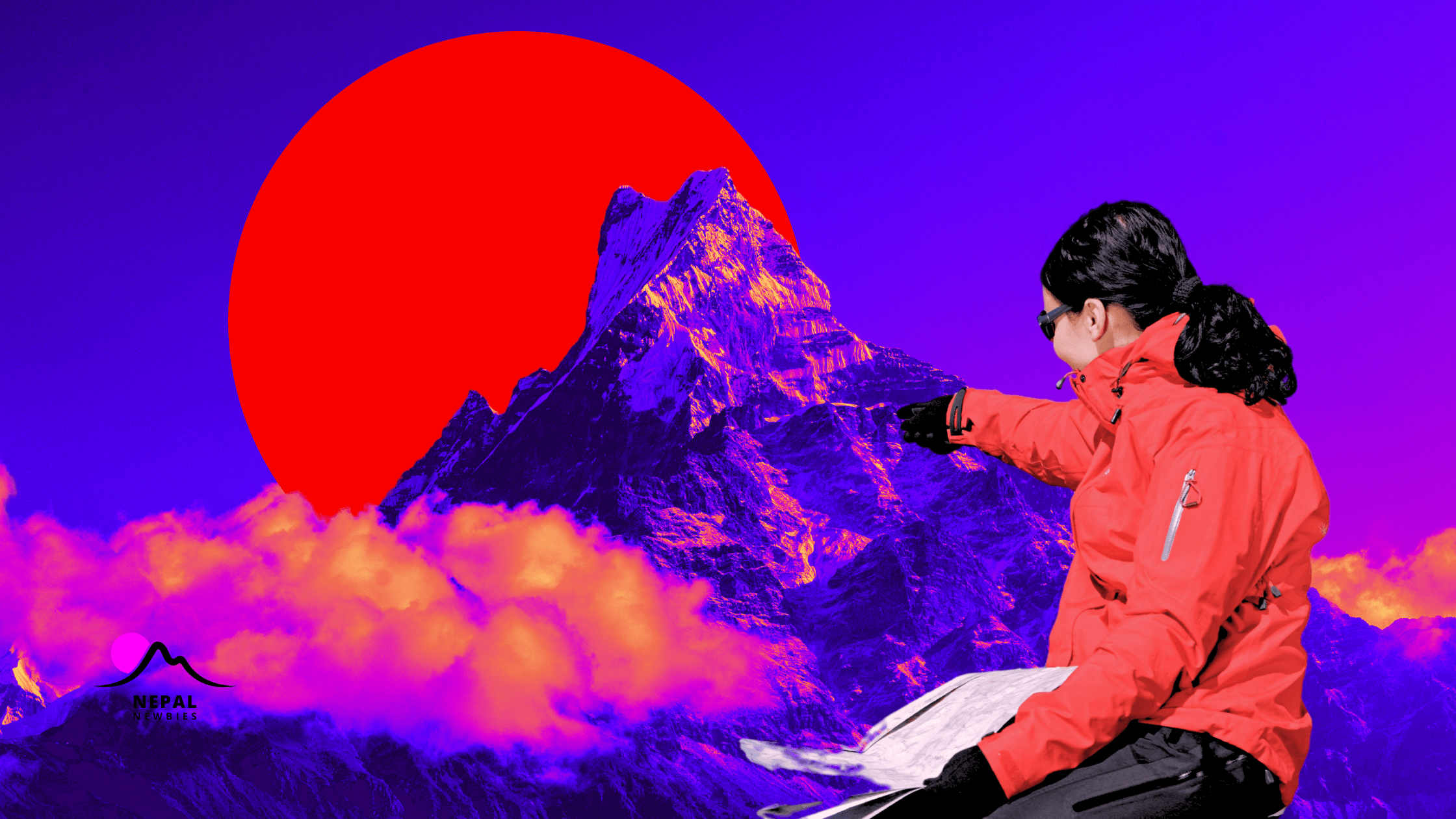
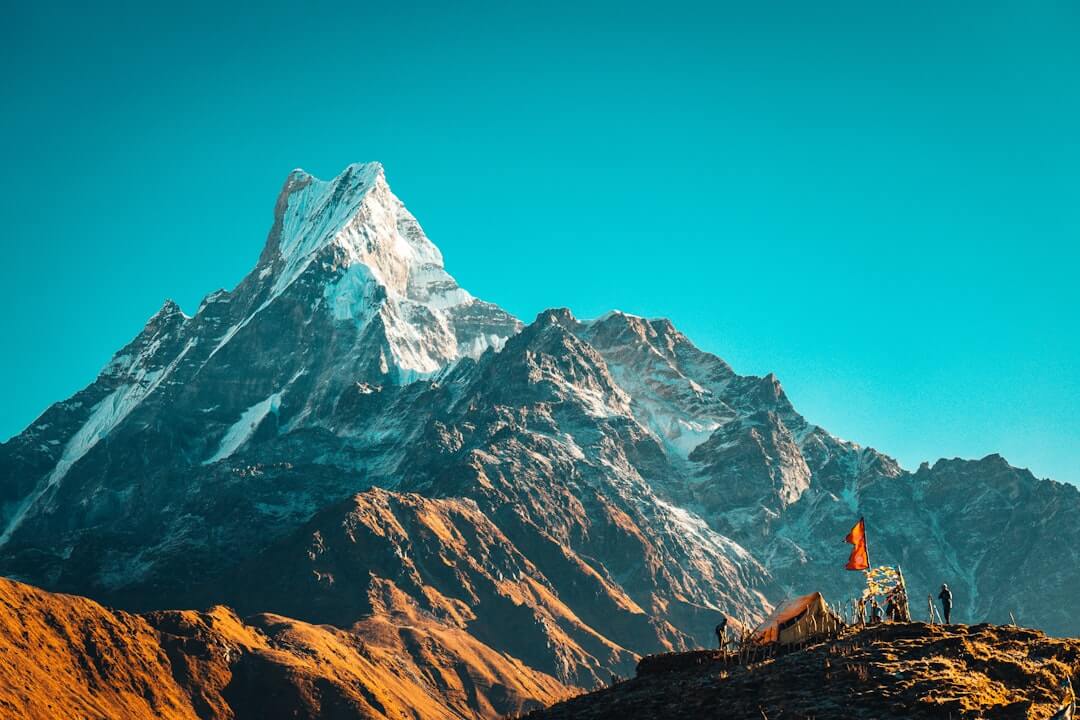
Trekking in Nepal for the first time was easily one of the most rewarding experiences of my life, but it was also a massive learning curve.
Standing among those Himalayan peaks is pure magic, but there’s a lot that happens behind the scenes to make a trek successful. There was so much I wish someone had told me beforehand. Between generic travel guides that only list gear and trails, and social media that only shows the dreamy sunrises or the endless dal bhat, nobody prepares you for the actual reality on the trail.
This post is the honest, no-nonsense breakdown of everything I learned on my first trek in Nepal.
From Comics to Mountains: How Nepal Became Real
As a kid, I was totally obsessed with the "Tintin (Kuifje) in Tibet" comic book. Those snow-covered Himalayan peaks felt like a distant dream, and I always vowed I'd see them in real life one day. It took "only" 45 years to finally pull it off, heading to Nepal alongside a good friend. She’d visited Nepal twice before, and even though she’d never trekked either, her calm vibes and familiarity with the country kept me grounded while I was trying to digest the altitude, the culture shock, and the brutal rhythm of the trail.
Looking back, no gym workout can fully prepare you for what these mountains demand. It’s rarely just about your legs—it’s about your mindset, your patience, and holding onto your sense of humor when everything gets uncomfortable.

2. Mental Preparation: The Big Reality Check Nobody Talks About
When people talk about Nepal trek prep, it’s always about packing lists and squat reps. But honestly? The trail is 20% fitness and 80% mental game.
Nobody warns you about what happens when you swap a comfortable Western lifestyle for the raw reality of the Himalayas. If you’ve never done a multi-day trek before and you go to Nepal, you’re not just hiking—you’re navigating zero privacy, basic toilets and lukewarm bucket showers, a drastic diet shift, freezing nights, and thin air. Combine that physical top-performance with a complete culture shock, and of course you get overwhelmed.
Most beginners experience this exact shock, but nobody talks about it when they get back. Check Instagram or blog posts, and you'll only see cinematic mountain peaks and smiling selfies captioned "best experience of my life!"
Trail fatigue
Nobody makes a Reel about feeling cranky in a freezing teahouse, feeling numb from lack of sleep, or suffering from trail fatigue. The real talk stays completely under the surface. So when it hits you, you feel like you're the only one failing. Trust me: you're not.
I honestly hadn't realized how much I’d need a mental anchor up there. I did bring a journal, but it turned out I felt too exhausted to write anything down. What kept me grounded were other simple routines I normally do at home—I just never expected I’d rely on them so heavily to prevent a total trail breakdown:
- A moment of morning silence: Before the group dynamic kicked in, I took a few minutes completely alone to breathe, disconnect from the chaos, and set my intention for the day.
- 10-minute Mountain Yoga: A quick daily stretch wasn't just for my stiff muscles—it was my daily anchor to reset my nervous system.
- A solid internal mantra: When the overwhelm hit, I repeated: "Everything on my path, I can handle. It’s all for my highest good."
My advice for your prep: Don't just pack extra socks— create a mental survival toolkit. Figure out right now what grounds you when you’re stressed at home, because when you’re cold, tired, and cranky at 3,000 meters, you will need those exact strategies to pull yourself together.
PRO TIP: Mental preparation is just as important as any physical training. Knowing how to stay calm when you're uncomfortable, accepting that some days may be hard without needing to “fix” them, and finding peace in changes or the slow rhythm of the trek makes a huge difference.
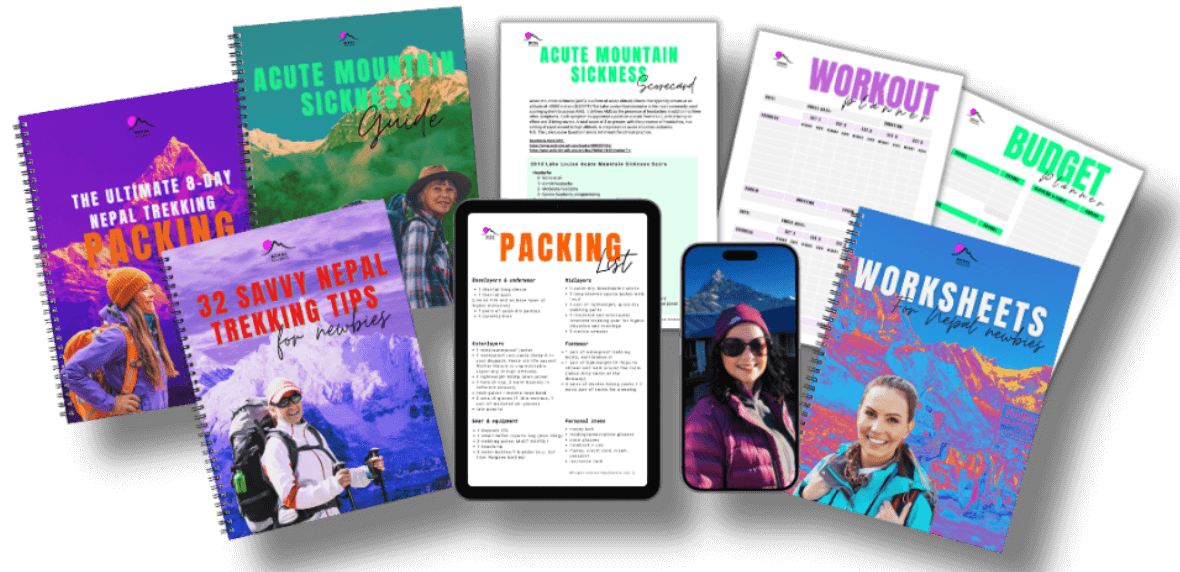
Prepare for Your Nepal Trek the Easy Way –
Get the Ultimate NEPAL Starter Kit.
NEW: Grab my complete Starter Kit packed with gear lists, handy guides, worksheets, and insider tips for trekking smart in Nepal!
3. Building Strength Along the Trail
Even though I wasn’t in the right shape at all before the trek (in hindsight), I felt reasonably prepared. I’d done plenty of long day hikes, spent time in the French Alps for "mountain training", and kept up a regular yoga practice. I’d also watched a ton of YouTube videos—so I thought I had a pretty good idea of what to expect. But as soon as I hit the trail, I realized: the real thing was a completely different beast!
Way rougher, steeper, and weirder
The terrain surprised me more than anything. Although I'd seen it a thousand times on my screen, in reality it was way rougher, steeper, and, frankly, weirder (in a good sense) than I had imagined.
The paths weren’t smooth trails—they were often super uneven, rocky, or just endless stone steps that seemed to go on forever. Videos don’t capture how it feels when you’re actually there, trying to keep your footing and balance while you’re gasping for air at altitude. I had totally underestimated just how physically challenging the terrain would be!
Stronger with every step
But something incredible happened after a few days. My body started to adapt. I got stronger with every step, found a rhythm, and slowly began to trust that I could handle more than I thought. It wasn’t about being the fastest or fittest—it was about showing up each morning, putting one foot in front of the other, and allowing the trail to toughen me up, little by little.
PRO TIP: If you’re planning a trek in Nepal, know this: it will be way harder than it looks on YouTube. But that’s also what makes it so powerful. You don’t just walk through the mountains—you earn your way through them. Ease in.

4. When the Altitude Hits
Altitude sickness was one of my biggest worries before the trek. I had read extensively about it—how fast things can escalate, and what red flags to watch out for. I kept wondering: Could my body really handle being so high up? I imagined myself left alone in a remote teahouse, abandoned by everyone and struggling to breathe, feeling completely drained and sick -worrying about dying while everyone else continued with the trek. The fear of such a moment lingered in my mind more than anything else.
Diamox
When the altitude finally hit, despite of our Diamox intake, it wasn’t quite what I expected. Instead of headaches, I felt super light-headed—a dizzy, floating sensation that made each step a bit more uncertain and actually dangerous on those steep stairs. It wasn’t constant, but it was definitely there, it popped up unexpectedly, a quiet reminder that my body was working overtime just to keep up.
How altitude affects you is unique
What struck me was how completely different our experiences were. She felt this weird tingling in her face and hands and had her own battle with the altitude. Honestly, seeing both of us struggle in our own unique ways was strangely comforting. It made me realize this was just how altitude affects people: uniquely, unpredictably, but always real. It felt like a shared bond, a reminder that none of this was “just in my head.”
Tune into what your body needs.
Slowing down, listening to my body, and leaning on our guide's and porter's expertise (they set the pace and stayed close to us) helped me get through the toughest parts. Altitude humbles you, forcing you to surrender control and tune into what your body truly needs. It’s scary but also part of what makes trekking in Nepal such a powerful, unforgettable experience.
PRO TIP: Packing light is important, but don’t skimp on comfort or warmth. The mountains demand a lot from your body, and having the right gear isn’t just about convenience—it’s about protecting your energy and making the whole experience more enjoyable.
5. Essential Gear: What I Packed and What I Wish I Had
One of the biggest lessons I learned on the trek was just how important the right gear is. I broke in my sturdy Lowa boots beforehand, and they were a lifesaver on the rough, uneven terrain. Instead of fleece (too bulky), I relied on merino layers for warmth and moisture management, and I had a high-quality down jacket that kept me cozy during cold evenings, nights and early mornings.
What is a proper sleeping bag?
I thought I’d be smart and save some money by bringing the bulky, synthetic sleeping bag from home—supposedly rated for -10°C (14°F). Big mistake. Once we hit higher elevations around 3,000m (10,000ft), it didn't do the job at all.
I was honestly so freezing during the night! I spent hours lying awake, wishing I’d spent the money on a cozy and warm, down-filled sleeping bag that actually fit me. Something lighter and WAY warmer would’ve made a world of difference on those icy nights.
So yeah... waking up fresh and well-rested the next morning? Not a chance. And that is exactly why a proper sleeping bag (900 cuin down, female fit and proper length) is hands down the single most important piece of gear for the night.
Pillow case or travel pillow to improve sleep quality
Also, the pillow situation caught me off guard; the teahouse pillows looked kinda gross to me and I thought I was so clever to bring my own pillow case that I would stuff with my down jacket. However, at 3.900m altitude I found myself sleeping in ALL of the warm clothes I had, including my down jacket. So I’ll definitely I'd bring a travel pillow next time to improve my sleep quality.
Trekking poles
I bought trekking poles in Kathmandu, but didn’t check them carefully in the store—and they were actually broken right from the start, which was my own bad. Luckily, my guide helped me find sturdy replacements at the only shop near the trailhead. Those poles ended up saving my knees and keeping my balance on the toughest parts, so lesson learned: always check your gear before you leave the shop!
Micro spikes and headlamp
- We actually packed microspikes, but ended up not using them. Why? Honestly, our guides didn't have any and were pretty skeptical—like it was total overkill or something. But after crossing an exposed, snowy ridge? No way. Next time, I’m putting them on at the very first sight of snow if there’s even a hint of a 300-meter drop below me.
- Bringing headlamps was another lifesaver—especially on the day we pushed to base camp. It was already getting dark and misty on our way back, and having reliable light made all the difference in staying safe and confident on the trail.
- On the hydration front, I brought Oral Rehydration Salts (ORS), but found they affected the taste of my water, making drinking less enjoyable. Next time, I’d bring flavored electrolyte powders and just some Himalayan sea salt to help replenish minerals without sacrificing taste.
- Little comforts like beef jerky snacks (hide it from Hindus out of respect), and my high dextro energy candy helped keep my spirits up when the days were long and quiet.
Don’t skimp on comfort or warmth
Packing light is important, but don’t skimp on comfort or warmth. The mountains demand a way lot more from your body than you'd think, and having the right gear isn’t just about convenience—it’s about protecting your energy and making the whole experience more enjoyable.
If you’re preparing for your own trek, invest time in getting gear that works for you, and listen to advice from those who’ve been there.
PRO TIP: Bring two professionals trekking poles, they're life savers! I bought mine in Kathmandu, but didn’t check them carefully in the store—and they were actually broken right from the start, which was my own bad. So lesson learned: always check your gear before you leave the shop!
6. Choosing the Right Trekking Company
One of the best choices we made was booking through a reputable trekking company with a head office in Kathmandu, found through our personal network. With floods and landslides in the news just before we left, knowing there was a team we, and our families back home, could reach gave us real peace of mind.
Want to know how to choose yours, which questions to ask and which red flags to watch out for? Read my full guide: How to Choose a Trekking Company (It Makes or Breaks Your Trek).
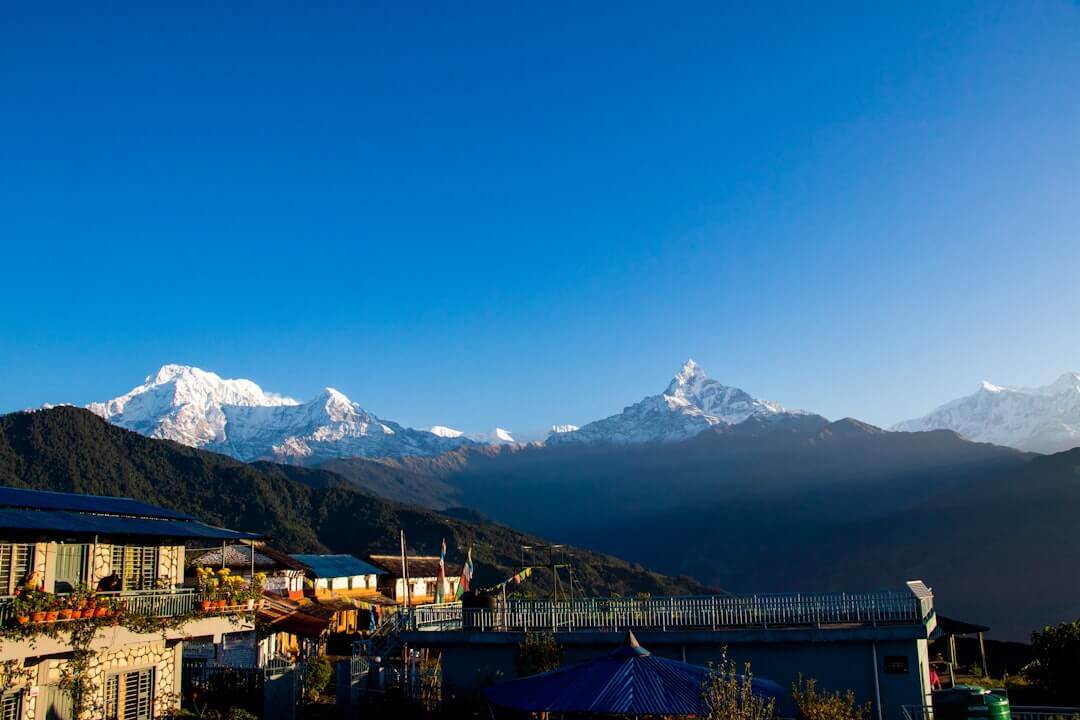
7. Sorting Out the Logistics
Before even setting foot on the trail, there were so many small (and not-so-small) details to figure out—flights, insurance, permits, accommodation in Kathmandu. It felt like a mini expedition before the real one even began. Thankfully, we tackled the logistics step by step, and most of it went smoothly. But there were definitely a few things I’d do differently next time.
Time to adjust
We flew into Kathmandu a few days before the trek, which turned out to be a great decision. It gave us time to adjust (time wise), do a last gear check, and just ease into Nepal’s rhythm. The city itself is chaotic, colorful, and buzzing—overwhelming at first, but full of charm.
Keep plans flexible
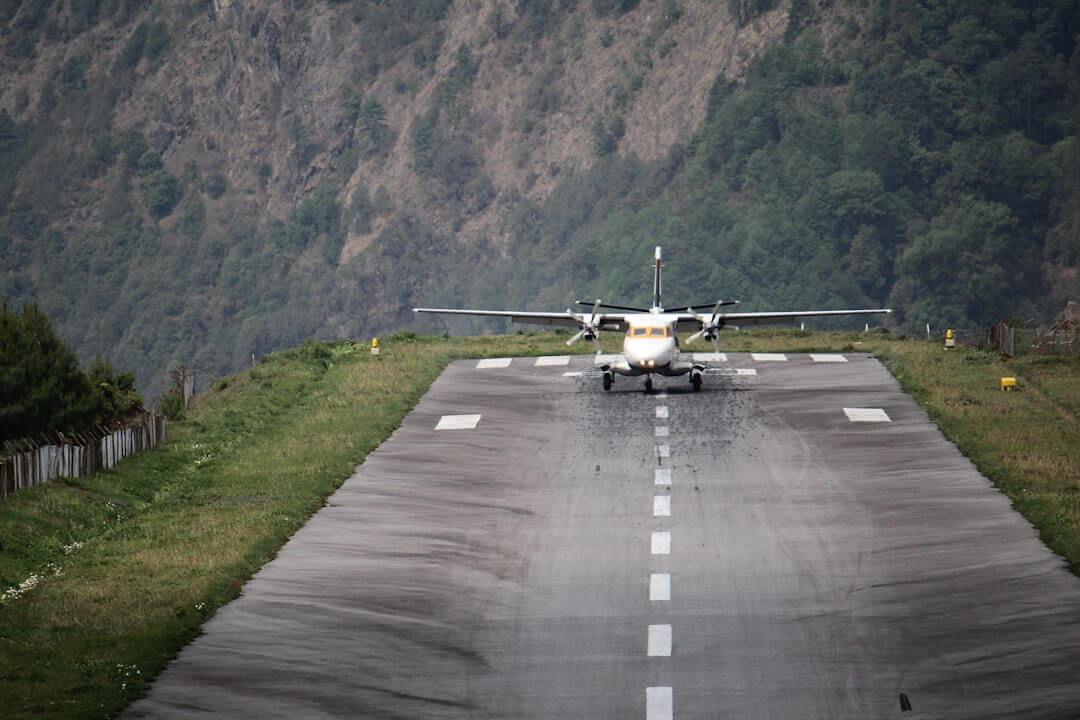
Booking a domestic flight to the trailhead was another key step. Ours went smoothly, but it's worth noting that internal flights in Nepal can be affected by weather and delays, so it's smart to keep your plans as flexible as you can afford (e.g. in terms of trekking days or flight departures).
Check the safety of your taxi
Getting to the domestic airport wasn’t hard—taxis are everywhere—but finding one with working seat belts took a little effort. That mattered to me. My friend, who had traveled in Nepal before, didn’t mind the more rugged transportation, but I felt better knowing I could buckle up. Small details, but they make a difference.
Buy a local Ncell SIM card
One of the smartest things we did was buy a local Ncell SIM card at the airport. Pro tip: go to the quiet stall just behind customs—no lines, friendly service, and it takes all of five minutes. For 1000 rupees, we had data throughout most of the trek. We were even able to video call our families from 4200 meters. That connection to home was incredibly grounding.
Cash & insurance
We also took out enough rupees in cash in Kathmandu (ATMs along the trail are rare), and made both digital and paper backups of important documents—permits, passport, insurance.
And speaking of insurance: double-check that your policy covers high-altitude trekking and emergency evacuation. It’s something you hope never to use, but knowing it’s there is essential peace of mind.
Logistics may not be the romantic part of trekking, but getting them right gives you the mental space to enjoy the experience. Once you’re in the mountains, you’ll be glad the boring stuff is already taken care of.
PRO TIP: buy a local Ncell SIM card at the airport. Go to the quiet stall just behind customs—no lines, friendly service, and it takes all of five minutes. For 1000 rupees, we had data throughout most of the trek. We were even able to video call our families from 4,200 meters. That connection to home was incredibly grounding.
8. What the Trek Taught Me
Trekking in Nepal for the first time was one of the most rewarding experiences of my life—but not in the way my childhood self had imagined it.
More raw, more physical, more unpredictable
I grew up reading "Kuifje in Tibet", where the boy flies into the Himalayas and strolls through snow-covered valleys with his dog Bobby, seemingly unaffected by altitude, exhaustion, or the cold—his only real problem being an unexpected encounter with the Yeti.
No smooth paths
The reality? It was far more raw, more physical, more unpredictable. There were no smooth paths or magical snow adventures. The terrain was rough and unlike anything I'd seen before (but oh so beautiful), the altitude dizzying, and nothing—nothing—was effortless. But that’s exactly what made it so powerful.
Every day on the trail challenged me in a different way.
I had to get used to discomfort, to unfamiliar rhythms, to letting go of control. But I also discovered I could handle more than I thought. That I didn’t need to be in perfect shape. That I could take it slow and still get there.
It’s okay to not always feel strong or sure
Having my friend by my side, someone who had been to Nepal before, helped immensely. I think we both had our own struggles—different but equally real—and somehow that made it all feel more normal. It reminded me that it’s okay to not always feel strong or sure. That sharing those vulnerable moments is part of what makes a journey like this and a friendship meaningful.
Deep, grounding sense of connection
And in the end, the reward wasn’t just the epic mountain views or reaching a certain altitude or the magical touch down at base camp at 4,500m. It was the deep, grounding sense of connection—to the land, to the people, to myself. I came back with tired legs, dirty boots, and a full heart.
PREPARE FOR YOUR NEPAL TREK THE SMART WAY!
Everything I wish I'd had before my first trek: checklists, worksheets and honest tips. Free!

Hey there, I'm Sandra!
Life coach, mountain lover and proud Nepal newbie. I did my first trek in Nepal in my fifties, and it changed everything. Nothing grounds you like standing among those Himalayan giants.
On the trail, I learned the hard way that it's as much a mental game as a physical one. So I started Nepalnewbies.com to give beginners like us the honest advice I wish I'd had. No sugar-coating.
👉 READ MY STORY
Popular posts
What I found out, no sugar-coating, about what 17,598 ft (5,364 m) asks of you.
I made it to base camp, but my prep wasn't even close. Learn from my mistakes.

Here's what using a toilet is really like on a trek, and 10 tips to make it a lot less awkward.
NEW: THE NEPAL STARTER KIT.
YOUR TURN: Any thoughts, advice, experiences, questions? Share in the comments.
Leave a Reply
Grab My Nepal Starter Kit.

PREPARE FOR YOUR NEPAL TREK THE SMART WAY! Everything I wish I'd had before my first trek: checklists, worksheets and honest tips. Free!
Copyright ©Nepalnewbies.com All Rights Reserved.
The Nepal trekking blog for beginners who want the real story. First-hand experience from a fifty-something beginner, honest tips and practical guides for your first trek in Nepal. Squat toilets included. No sugar-coating.
Copyright © YourCompany. All Rights Reserved
10 replies to "Preparing for Your First Trek in Nepal: What Every Beginner Needs to Know."
[…] Preparing for Your First Trek in Nepal: What Every Beginner Needs to Know. […]
[…] Preparing for Your First Trek in Nepal: What Every Beginner Needs to Know. […]
[…] Preparing for Your First Trek in Nepal: What Every Beginner Needs to Know. […]
[…] Preparing for Your First Trek in Nepal: What Every Beginner Needs to Know. – Nepalnewbies September 17, 2026 […]
[…] 👉Start here: What Every Beginner Needs to Know. […]
[…] Preparing for Your First Trek in Nepal: What Every Beginner Needs to Know. – Nepalnewbies September 17, 2026 […]
[…] 👉Start here: What Every Beginner Needs to Know. […]
[…] 👉Start here: What Every Beginner Needs to Know. […]
[…] 👉Start here: What Every Beginner Needs to Know. […]
[…] Preparing for Your First Trek in Nepal: What Every Beginner Needs to Know. […]