
Published April, 2026 in TREKKING.
Is Trekking in Nepal Safe for Beginners? 15 Vital Safety Tips.

By Sandra · Founder of Nepalnewbies.com, first-time Himalayan trekker (Mardi Himal Base Camp, 2024)
Landslides, plane crashes, altitude sickness... Nepal’s headlines can easily make you wonder: Is this bucket-list dream a disaster in the making? I definitely asked myself that before my first trek.
The truth? Nepal and the Himalayas come with real risks. Look, I’m a firm believer that when your time is up, your time is up—there’s no changing that. But until then? We have a responsibility to stack the odds in our favor, prepare for the worst, and do everything we can to dodge avoidable disasters. Plus, doing your homework gives your loved ones at home some peace of mind knowing you’re not just winging it. Anyway, that's my viewpoint. Now let’s break down the real hazards and how to actually handle them.
Note: This isn't about fueling fear—it's about getting you ready.
1. The Elephant in the Room: Aviation and Natural Risks in Nepal.
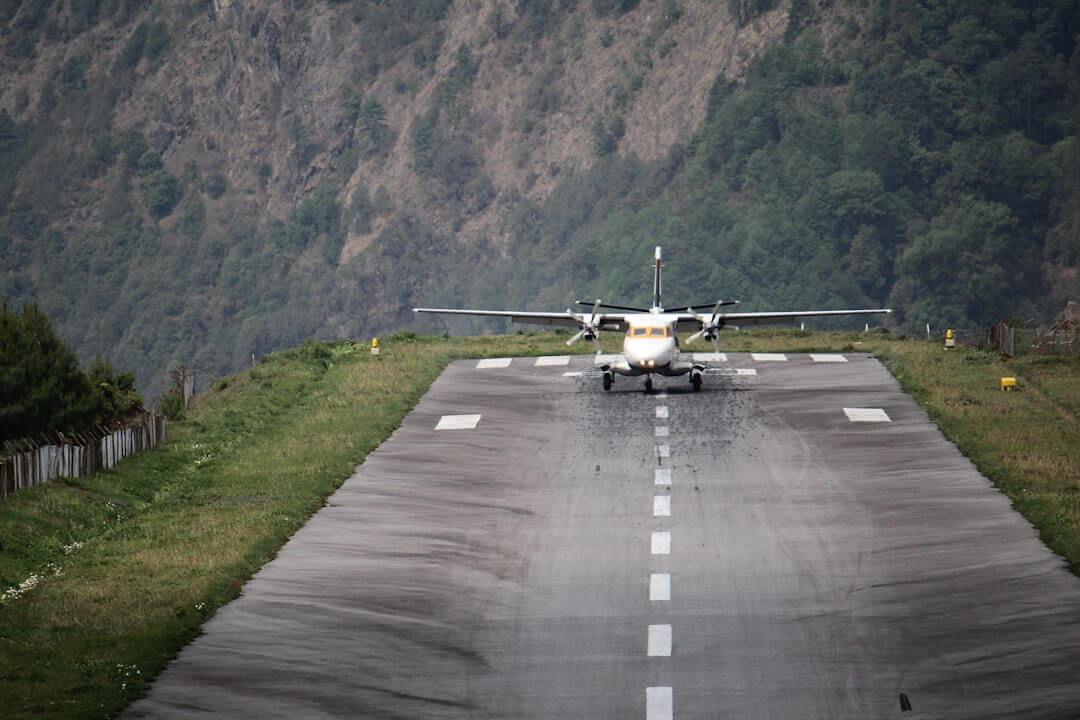
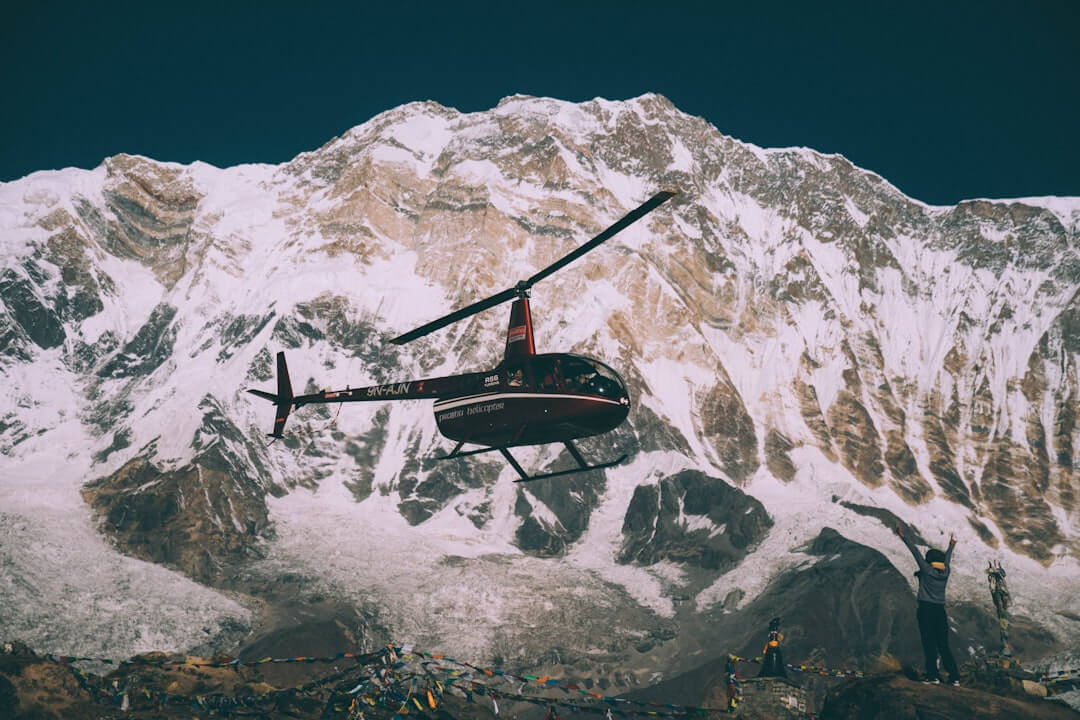
Statistically, Nepal has at least one significant aviation accident each year. Yep. For a beginner trekking in Nepal, this is a chilling realization. Flying in and out of the region is a high-stakes game. Small aircraft often navigate narrow valleys and steep climbs, where sudden weather changes can lead to tragic accidents. Like the 2023 Pokhara deadly aircraft crash of Yeti Airlines. So what's the deal with domestic flights?
Why are the planes so tiny?
To reach remote trailheads like Lukla (the gateway to Everest), you have to fly in STOL aircraft. STOL stands for Short Take-Off and Landing. These are specialized, small planes designed to jump off incredibly short runways and clear steep mountain ridges in seconds.
No margin for errors
While these planes are mechanical marvels, they rely entirely on VFR (Visual Flight Rules). This means pilots must have a clear, visual line of sight to the terrain at all times; they cannot fly through clouds or thick mist using instruments alone. If clouds move into a valley faster than a pilot can react—a frequent occurrence—the margin for error vanishes instantly. This volatility explains why delays are the rule rather than the exception.
Buddha Air: most stable safety reputation so far
If you are flying to, e.g., Pokhara in the Annapurna region, you have a choice. Many experts recommend Buddha Air, which currently holds the most stable safety reputation. However, for Lukla, you are dependent on Summit Air, Sita Air, or Tara Air (a subsidiary of Yeti). And pray for the best.
Or...a 10-hour ride
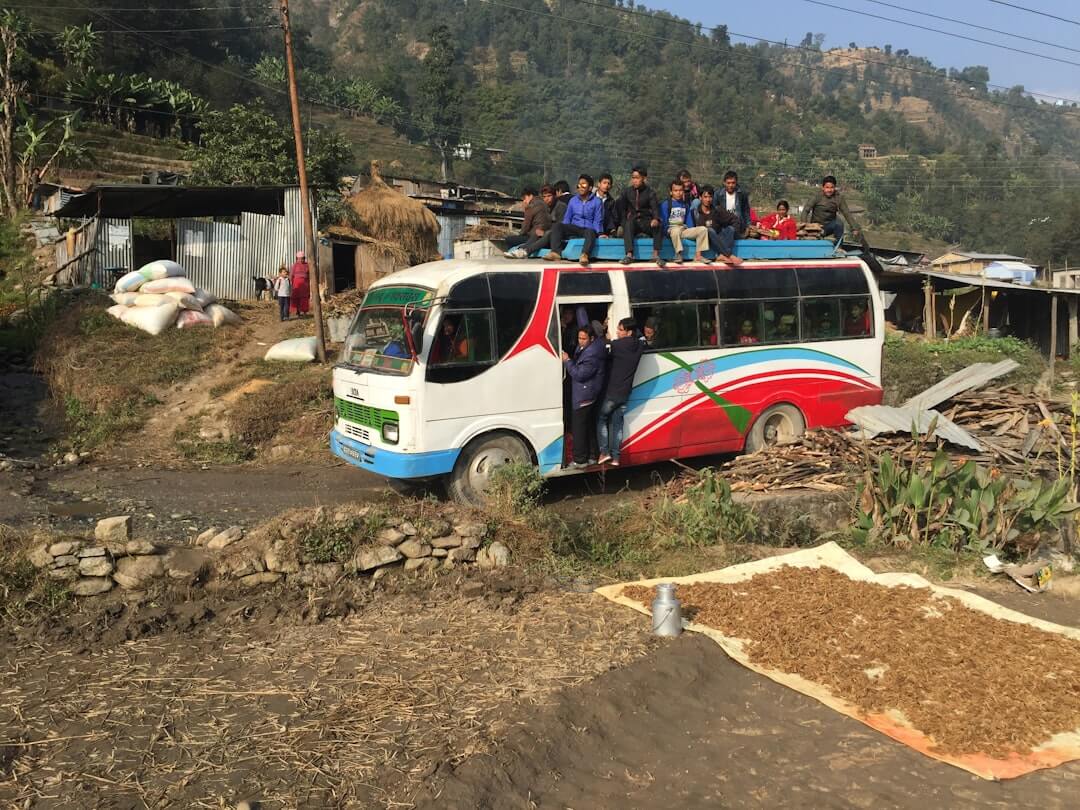
If those flight numbers give you the chills, you could take the ground route. An 8 to 10-hour jeep or bus ride is a long day, but it kills the aviation risk in one go. It's cheaper than flying, too.
Just don't expect a smooth highway — also, anything can happen on these mountain passes, too. But let's say, if you choose this option, it's all part of the adventure, right?
Also, you could opt for a closer trek, like the Ama Yangri Peak Trek, which is a 5-hour drive from Kathmandu. Which, by the way, is a perfect trek for beginner hikers.
PRO TIP: Always schedule your domestic flights to e.g. Pokhara or Lukla for the earliest morning slot, when the mountain air is typically at its clearest.
The danger isn't just in the air.
Apart from flight accidents, natural disasters are another significant risk. Nepal is prone to earthquakes and landslides, which can disrupt trekking routes and cause serious harm.
The 2015 earthquake is a stark reminder of how unpredictable these events can be. Is there anything we can do to prepare? In my opinion, not more than this:
- Before your trek, you could keep an eye on geological updates and weather forecasts to know what to expect.
- Equip yourself with knowledge of safe zones (where to hide or find shelter, and where not in different circumstances)
- Become familiar with emergency procedures, including those from your home country, so you’re somewhat prepared if nature throws a curveball.
- Carrying a backpack that allows for surviving disasters for at least 72 hours.
- Always trek with a reputable and experienced guide, never alone, to increase your survival chances in case of real danger.
2. Choosing the Right Season: Your First Line of Defense
But here's our most important safety tool when trekking in Nepal: the calendar. The peak trekking seasons—Spring (March to May) and Autumn (September to November)—are the gold standard for a reason.
These windows offer the most stable weather, clearest skies, and moderate temperatures. By trekking during these months, you drastically reduce your exposure to the extreme elements that turn a challenging hike into a life-threatening situation.
Monsoon and Winter: Why Beginners Should Steer Clear
The off-seasons aren't just uncomfortable; they are hazardous. The Monsoon (June to August, even late September and beginning October nowadays) brings relentless rain that turns steep trails into mudslides and triggers frequent landslides that can wipe out entire sections of a route.
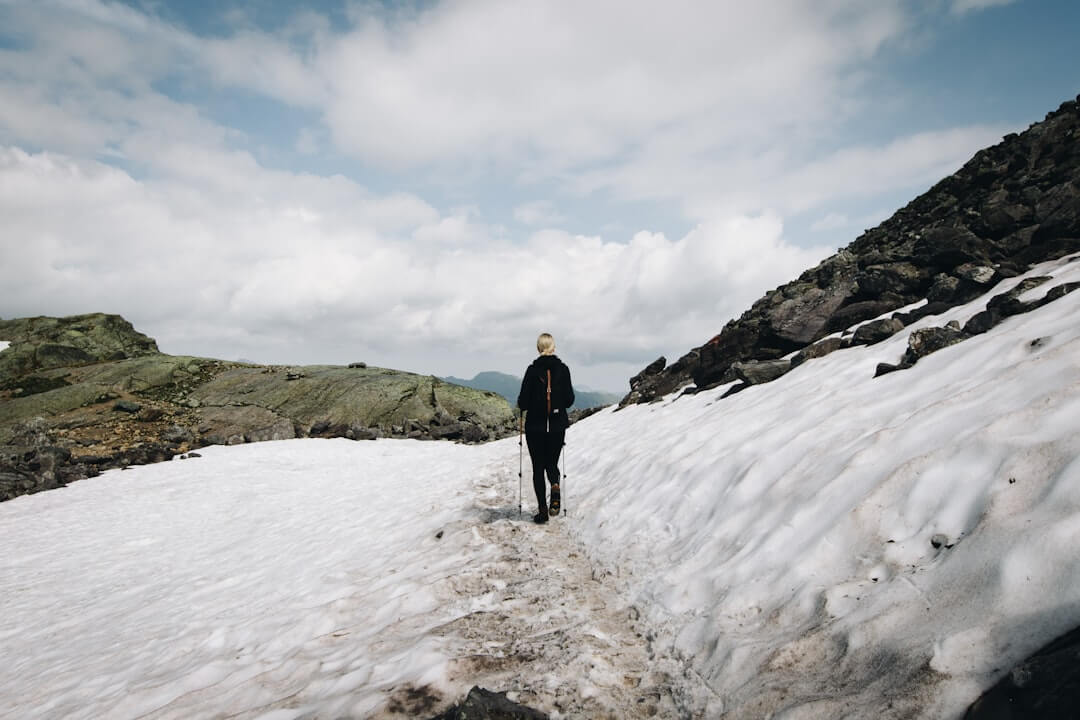
Conversely, Winter (December to February) brings brutal cold and heavy snow that can bury trails and block high passes in a matter of hours. For a beginner, navigating these conditions requires technical skills and endurance that even veterans find daunting.
Crowds and Trail Safety
While it may seem counterintuitive, choosing the peak season actually enhances your safety through "safety in numbers." On a popular route, you are never truly alone if something goes wrong.
However, the downside, of course, is congestion. Planning your trek for the shoulders of the peak season (early March or mid/late November) can offer the perfect balance: stable weather without the dangerous "traffic jams" on narrow suspension bridges or steep ridges.
Season vs avation risk
Also, keep in mind that your choice of season directly impacts the aviation risks we discussed earlier. During the Monsoon or late Winter, the "VFR" (Visual Flight Rules) flights to Lukla or Jomsom are canceled for days—or even weeks—on end.
So remember, choosing the right season isn't just about the hike; it’s about ensuring the pilot can actually see the runway when you need to get home.
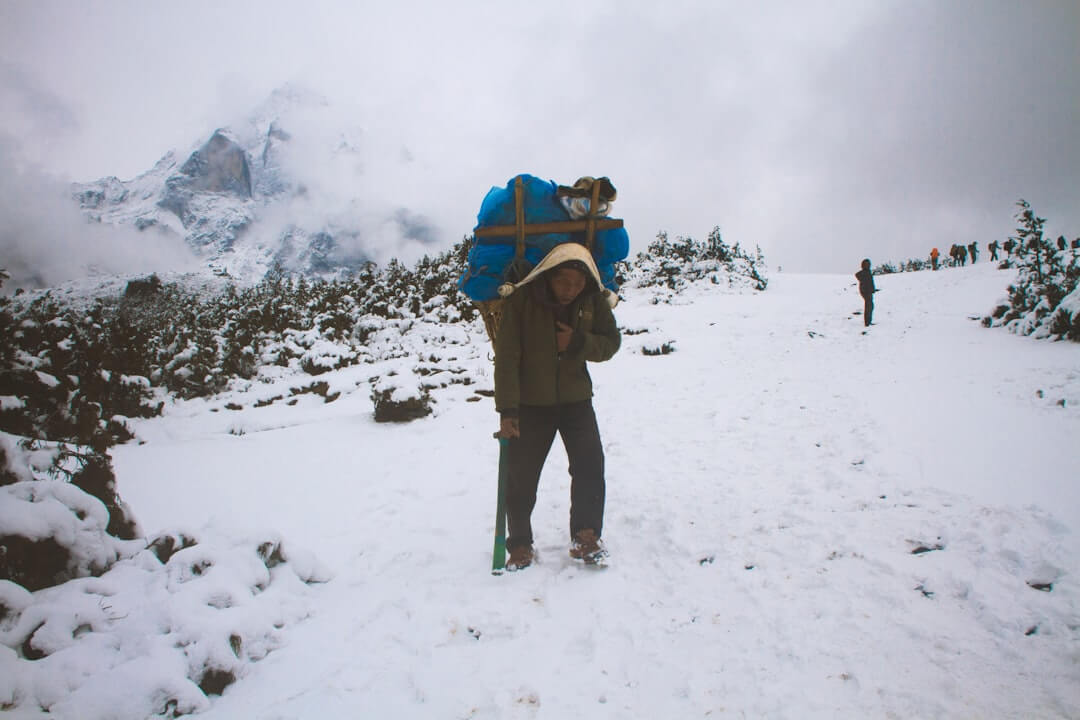
PRO TIP: Planning your trek for the shoulders of the peak season (early March or mid/late November) may offer the perfect balance: stable weather without the dangerous "traffic jams" on narrow suspension bridges or steep ridges. But there's never a guarantee...
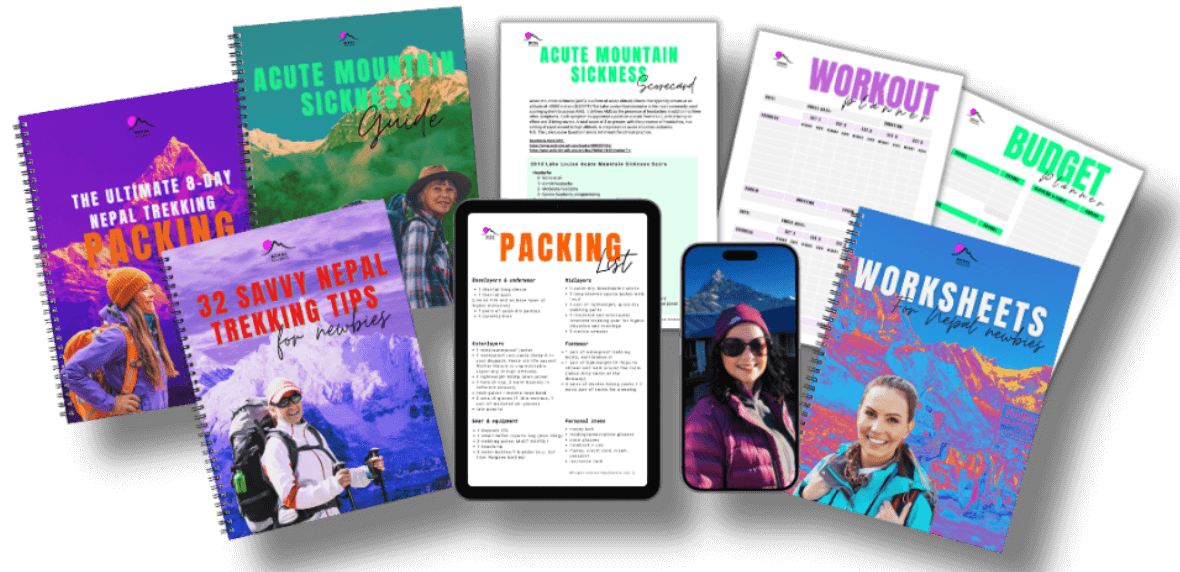
Prepare for Your Nepal Trek the Easy Way –
Get the Ultimate NEPAL Starter Kit.
NEW: Grab my complete Starter Kit packed with gear lists, handy guides, worksheets, and insider tips for trekking smart in Nepal!
3. The "Aftershock" Reality: Why Standard Gear Isn't Enough to Survive
Beginner trekkers often pack for a best-case scenario. You know, water, snacks, some extra layers, sunscreen, and that's about it. But as the Netflix documentary Aftershock (covering the 2015 Nepal earthquake) illustrated, Himalayan infrastructure is fragile.
When the shit hits the fan, we're no longer tourists—we're survivors. Whether it’s a sudden blizzard, a bridge washed away by a landslide, or a teammate collapsing from AMS, you have to be ready for the moment the "scenic trek" turns into a survival situation.
Beginners with a pro-mindset
We might be relatively beginner hikers with little to no high-altitude trekking experience, but the mountain doesn't offer "newbie" discounts. Adopting a Pro Mindset -thinking and acting like a seasoned trekker or mountaineer- starts with acknowledging that you are stepping into an extreme, volatile environment.
Practicing Your "Mental Override"
The thing is, none of us truly know how we will react under extreme stress until the ground shakes or the thinning air triggers a panic attack. This is why practicing, e.g., breathing techniques before you fly out to Nepal is a non-negotiable part of your preparation. We need these tools to be "muscle memory" so we can fall back on them when our lizard brain wants to scream.
Once shock sets in, your core temperature plummets
If our body goes into shock at high elevation, our survival chances drop off a cliff. The extreme cold and thin air create a "perfect storm" where our heart struggles to pump oxygenated blood to our vital organs.
Once shock sets in, our core temperature plummets and our logical brain shuts down, making it impossible to perform even simple tasks like opening your bivvy or using your Garmin. This is why you practice those breathing drills—to stop the panic before it becomes a physiological death spiral.
The Satellite Lifeline
You might think you’re being smart by grabbing a local Ncell SIM at the airport, but in a real crisis, cellular infrastructure is the first thing to fail. When the towers go dark, your prepaid minutes are worthless.
If we want a real guarantee of rescue, we need a dedicated satellite communicator. I’ve seen elite alpinists/mountaineers trekking with Garmins attached to their packs and wondered if it was overkill for me as a beginner trekker.
But in hindsight, I realized the mountain is the great equalizer—an emergency at 4,000 meters is just as critical as one at the summit. So if there's anything that I'd invest in and pack for a first trek in Nepal, it would be a satellite communication device.
My experience is that you don't have a cell phone connection everywhere in the first place. Also, for the people at home, it's reassuring to know that they can contact you anytime, anywhere.
- Satellite Messenger (e.g., Garmin inReach or Zoleo): These devices do not rely on local towers. They allow you to send an SOS signal with your exact GPS coordinates and let you text your family when the rest of the country is dark.
- Power Management: Carry a high-capacity Power Bank (20,000mAh). Your satellite device and phone are useless if the battery is dead.
The Survival Kit: Your 72-Hour Lifeline
Even if you have a porter, these items should never leave our daypack. If you are separated from your main bag, this kit must sustain you for three days:
- 72-Hour Rations: Pack at least 3 days of emergency food (approx. 1,500+ calories per day). Choose nutrient-dense, no-cook options like protein bars, nuts, and jerky. If a trail is blocked, these rations are your only "fuel" until help arrives.
- Emergency Bivvy: A heat-reflective sleeping bag (not a cheap foil sheet). It’s your only defense against fatal hypothermia if you're forced to wait unsheltered.
- The Water Safety Duo: Don't rely on straws alone. Use Purification Tablets (Chlorine Dioxide). Carry enough for 10 days of independent travel.
- First Aid & Mobility: High-strength painkillers, regular paracetamol, ORS (Oral Rehydration Salts) to fight dehydration-induced shock, and Knee/Joint support (KT Tape) and band aid, betadine, loperamide, etc.
- The Signal: A high-decibel whistle. Your voice will fail in a storm; a whistle won't.
The Multi-Tool: Whether it’s a Swiss Army Knife, a Leatherman, or one of those handy Kikkerland survival cards. You need a blade to cut tape or gear, or, e.g., a way to tighten a loose screw on a trekking pole. It’s the ultimate "McGyver" tool that every beginner thinks they don't need until they suddenly do.
The regular stuff: Extra warm layers, beanie, gloves, headlamp, power bank, rain gear, cell/satellite, etc.
PRO TIP: Although a beginner hiker, try to adopt a "pro" mindset by carrying the stuff seasoned alpine climbers bring like a dedicated satellite communicator and a 72-hour survival kit (rations, bivvy, extra layers, first-aid stuff, a multi-tool etc.) in your own daypack—never with your porter. In the Himalayas, your safety isn't someone else's job; it’s ours.
4. When the Altitude Hits
Altitude sickness was one of my biggest worries before the trek. I had read extensively about it—how serious it could get, what symptoms to watch for—and I kept wondering: Could my body really handle being so high up? I imagined myself alone in a remote teahouse, abandoned by everyone and struggling to breathe, feeling completely overwhelmed. The fear of that moment lingered in my mind more than anything else.
When the altitude finally hit, despite of our Diamox intake, it wasn’t quite what I expected. Instead of headaches, I felt light-headed—a dizzy, floating sensation that made each step a bit more uncertain. It wasn’t constant, but it was definitely there, it popped up unexpectedly, a quiet reminder that my body was working overtime just to keep up.
What struck me was how different my experience was from my friend’s. She had her own struggles with altitude and seeing us both face challenges in our own ways was strangely comforting. It made me realize this was just how altitude affects people: uniquely, unpredictably, but always real. It felt like a shared bond, a reminder that none of this was “just in my head.”
Slowing down, listening to my body, and leaning on our guide's and porter's expertise (they set the pace and stayed close to us) helped me get through the toughest parts.
Altitude humbles you, forcing you to surrender control and tune into what your body truly needs. It’s scary but also part of what makes trekking in Nepal such a powerful, unforgettable experience.
PRO TIP: Packing light is important, but don’t skimp on comfort or warmth. The mountains demand a lot from your body, and having the right gear isn’t just about convenience—it’s about protecting your energy and making the whole experience more enjoyable.
5. Conclusion: Trading Thrills for Wisdom
Let’s be honest: we aren’t reckless 20-somethings looking for a "death-defying" thrill to post on social media. As we get older, we are more aware of our own mortality—and the reality of what can go wrong. We have families, careers, and knees that have seen better days.
For us, the goal isn't just to get to the "top" (or base camp); it’s to get back down in one piece, with our health and our dignity intact. Preparation for a beginner trekker isn't just about buying the right boots, clothes or fitness exercises. It’s also about a mindset shift.
It’s about thinking through the "what-ifs" before they happen and, more importantly, making choices that avoid dangerous situations entirely.
Real adventure isn't about being fearless; it’s about being prepared enough that you don't have to be afraid.
My 15 Vital Safety Tips for beginner hikers in Nepal
- Select Your Airline Carefully: Not all domestic airlines are equal. Choose reputable carriers like Buddha Air for city connections. For the flight to Lukla, check the latest safety records and prioritize morning flights, as weather conditions are typically most stable then.
- Timing is Everything: Stick to the peak windows from late March to May, or from the end of October to mid-November. Trying to save money or avoid crowds by trekking in the monsoon (June-August) or deep winter (Dec-March) puts you at much higher risk for dangerous landslides and extreme cold and avalanches.
- Invest in a Satellite Communicator: Don't rely on local SIM cards or teahouse Wi-Fi—they are notoriously unreliable when a storm hits. Carry a device like a Garmin inReach or Zoleo. Having a dedicated SOS button and 2-way satellite messaging provides literal peace of mind when you're out of range.
- The 72-Hour Survival Pack: Pack your daypack as if you might have to spend 72 hours away from a teahouse. This means carrying at all times an emergency bivvy/space blanket, high-calorie bars, a whistle, a headlamp with extra batteries, extra layers, and basic water purification, even on "short" days or just a hike to a viewpoint.
- Know the "Whiteout" Protocol: If heavy fog or snowfall hits, stop moving. The mountains are treacherous, and trails disappear in minutes. If you lose visibility, shelter in place or stay exactly on the trail until it clears. It is better to be cold and stationary than lost and falling. Discuss with your guide the best approach for the entire team.
- Lightning Awareness on Ridges: Thunderstorms can develop fast. If you hear thunder or see lightning, move away from ridges and summits immediately (at least 30m down). Avoid isolated trees and sit on your backpack (acting as an insulator) with your feet together until the storm passes.
- Respect the "Bistari" Mantra: In Nepali, bistari means slowly. Walk at a "conversational pace." If you’re too breathless to speak, your heart and lungs are working too hard for the altitude.
- The "Golden" Ascent Rule: Above 3,000m, never increase your sleeping elevation by more than 300-500m per night. This is the most effective way to avoid AMS (Acute Mountain Sickness). Be relentless in that.
- Uphill Side of the Trail: When yaks or donkeys pass, always stand on the wall-side (uphill). A clumsy nudge from a 400kg animal can push a trekker off a cliff if they are standing on the edge.
- Drink Before You’re Thirsty: Aim for 4 liters of water a day. Dehydration symptoms are nearly identical to altitude sickness; don't let them confuse you.
- Pee is the Best Indicator: If your urine isn't clear or pale yellow, you are dehydrated. Period. This is your body's most honest health report.
- The 2 p.m. Teahouse Goal: Aim to reach your destination by mid-afternoon. Distances between shelters can be longer than they look on a map, and you want to be inside before the late-day cold and storms roll in. Ask your guide regularly whether you're on track, and be flexible with your plans.
- Break in Your Boots (Now!): At our age, a blister isn't just a sting—it can change your gait, leading to hip or back pain. Wear your boots on every walk you do for months before you go.
- Poles for Your Joints: Invest in high-quality trekking poles. They reduce the impact on your knees and ankles by up to 25%, providing essential stability on steep, uneven stone steps. Trust me, you'll need them badly.
- Trust Your Guide Over Your Pride: If your guide tells you the weather is too bad to cross a pass or that you need to descend, listen. They are the experts in "risk management." Or when you feel it's not safe for you (let your intuition guide you), discuss it also.
PRO TIP: Real adventure isn't about being fearless; it's about being prepared enough so that you don't have to be afraid. - Sandra@nepalnewbies.com
PREPARE FOR YOUR NEPAL TREK THE SMART WAY!
Everything I wish I'd had before my first trek: checklists, worksheets and honest tips. Free!

Hey there, I'm Sandra!
Life coach, mountain lover and proud Nepal newbie. I did my first trek in Nepal in my fifties, and it changed everything. Nothing grounds you like standing among those Himalayan giants.
On the trail, I learned the hard way that it's as much a mental game as a physical one. So I started Nepalnewbies.com to give beginners like us the honest advice I wish I'd had. No sugar-coating.
👉 READ MY STORY
Popular posts
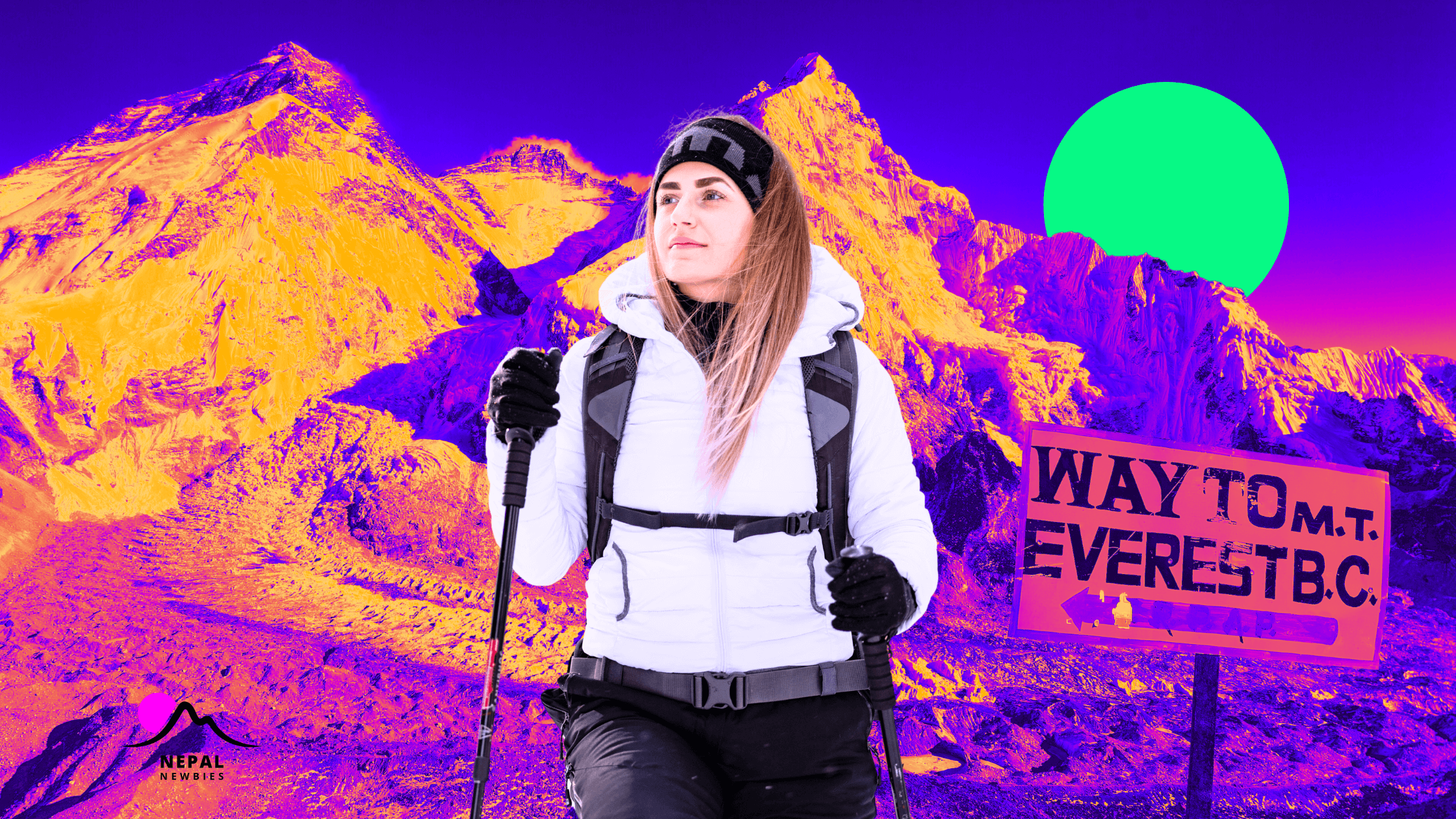
What I found out, no sugar-coating, about what 17,598 ft (5,364 m) asks of you.
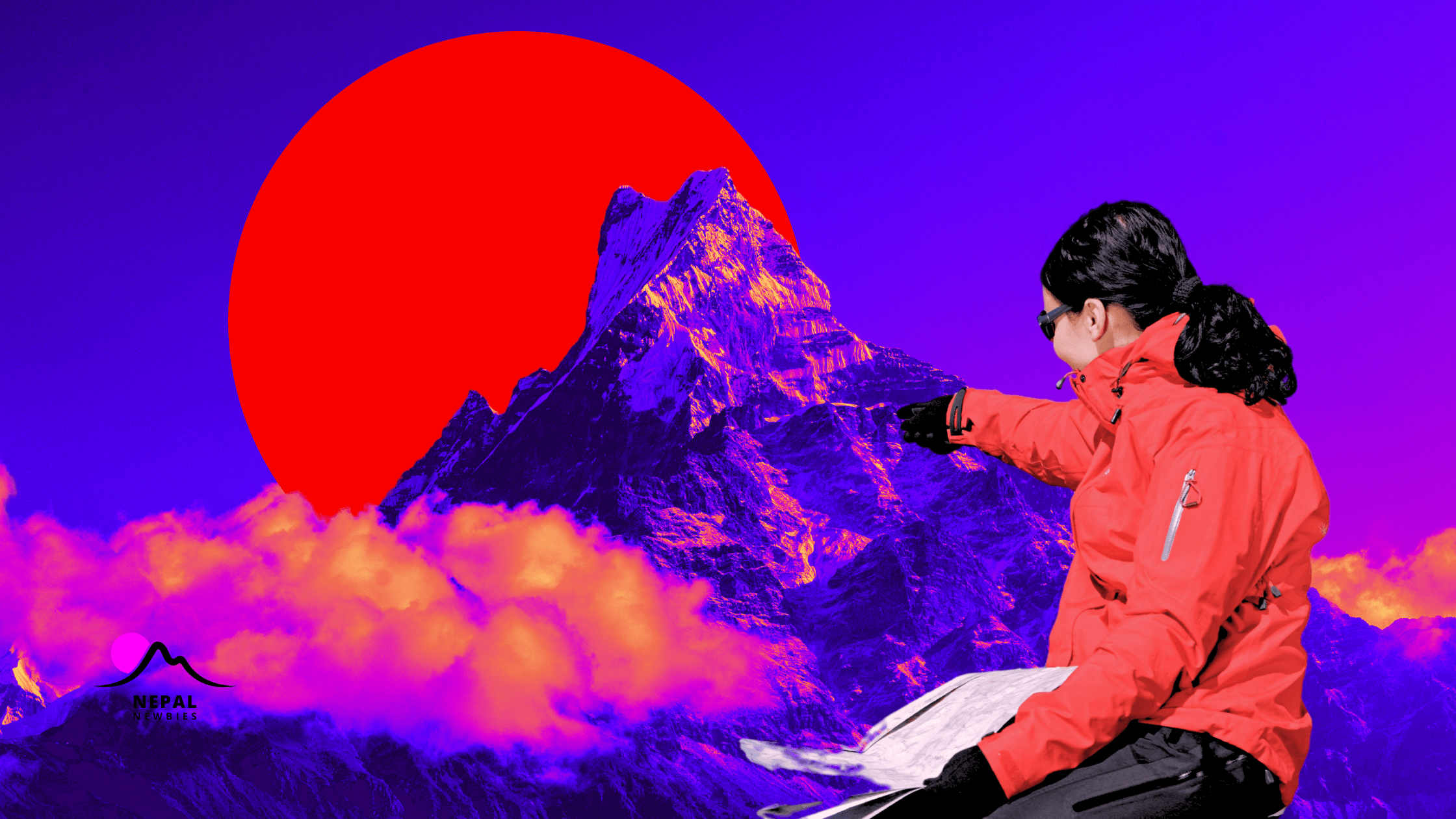
I made it to base camp, but my prep wasn't even close. Learn from my mistakes.

Here's what using a toilet is really like on a trek, and 10 tips to make it a lot less awkward.
NEW: THE NEPAL STARTER KIT.
YOUR TURN: Any thoughts, advice, experiences, questions? Share in the comments.
Leave a Reply
Grab My Nepal Starter Kit.

PREPARE FOR YOUR NEPAL TREK THE SMART WAY! Everything I wish I'd had before my first trek: checklists, worksheets and honest tips. Free!
Copyright ©Nepalnewbies.com All Rights Reserved.
The Nepal trekking blog for beginners who want the real story. First-hand experience from a fifty-something beginner, honest tips and practical guides for your first trek in Nepal. Squat toilets included. No sugar-coating.
Copyright © YourCompany. All Rights Reserved
7 replies to "Is Trekking in Nepal Safe for Beginners? 15 Vital Safety Tips"
[…] Is Trekking in Nepal Safe for Beginners? 15 Vital Safety Tips […]
[…] Is Trekking in Nepal Safe for Beginners? 15 Vital Safety Tips […]
[…] Is Trekking in Nepal Safe for Beginners? 15 Vital Safety Tips – Nepalnewbies September 17, 2026 […]
[…] Is Trekking in Nepal Safe for Beginners? 15 Vital Safety Tips […]
[…] Is Trekking in Nepal Safe for Beginners? 15 Vital Safety Tips – Nepalnewbies September 17, 2026 […]
[…] Is Trekking in Nepal Safe for Beginners? 15 Vital Safety Tips […]
[…] Is Trekking in Nepal Safe for Beginners? 15 Vital Safety Tips […]