Published May 22th, 2024 in HEALTH.
High-Altitude Skin Care: Tips for Protecting Your Skin in the Himalayas.

By Sandra · Founder of Nepalnewbies.com, first-time Himalayan trekker (Mardi Himal Base Camp, 2024)
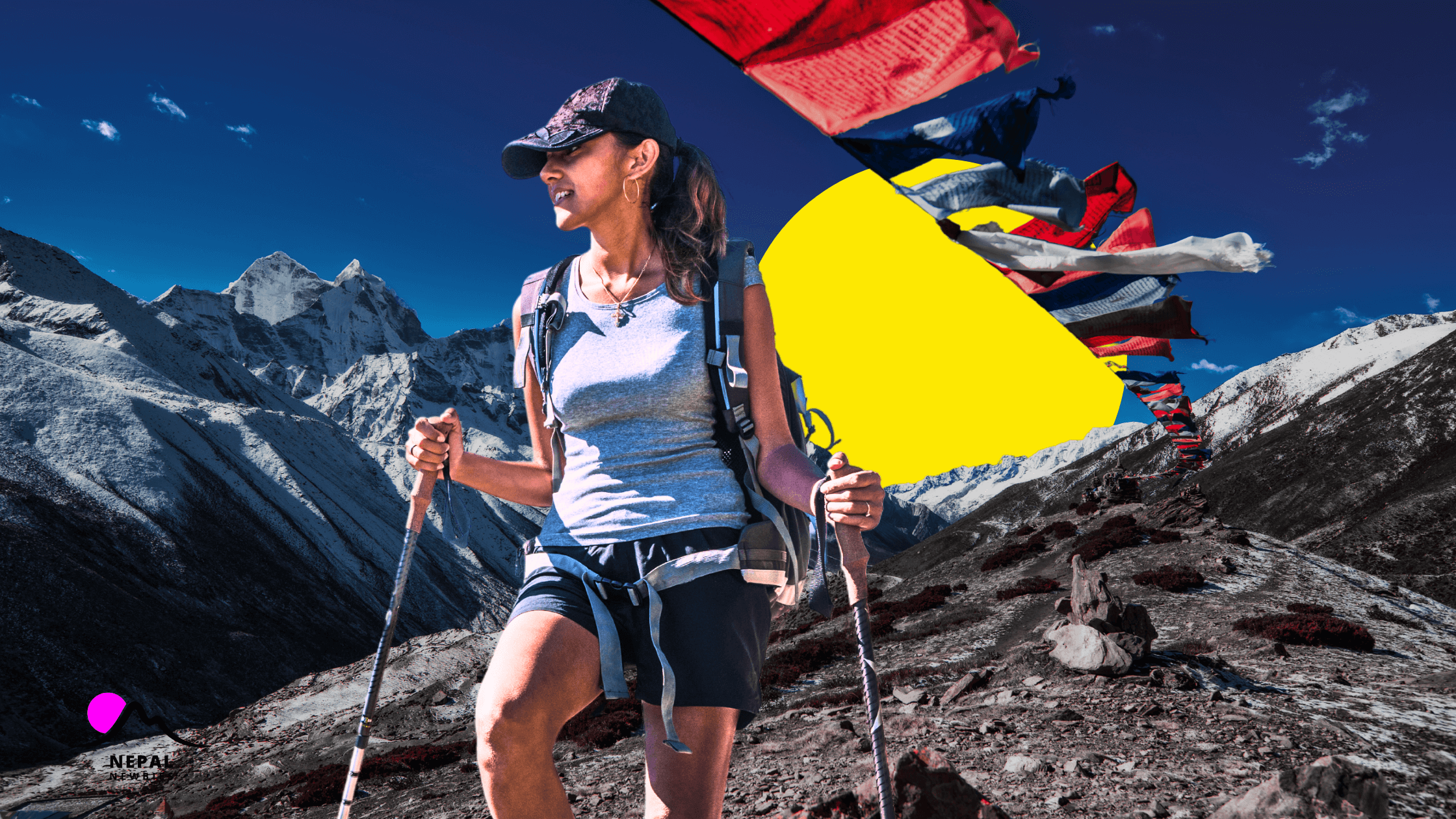
Let’s be honest — skincare isn’t the first thing most people think about when planning a trek in Nepal. I sure didn’t. But after a few days in the mountains, with cold wind on my face and dry air sucking the moisture out of my skin, I learned fast that skincare up here isn’t vanity — it’s survival.
The high-altitude sun is brutal, the air is dry, and even a two-week trek can leave your skin feeling tight, flaky, and sunburned. It’s wild how quickly it happens. But don’t worry — keeping your skin happy when trekking at high altitude is easier than it sounds. I’ve picked up a few trail-tested tips and favorite products that actually work up there — and I’m sharing them all with you.
Why Your Skin Struggles at High Altitude
The Himalayas might be magical, but wow — they’re harsh on your skin. Why is that? For one, the air up there is thin, the sun feels like it’s a few meters away, and the wind never really stops. After just a couple of days on the trail, I remember looking in the mirror and thinking, Why does my face feel like sandpaper?
At high altitude, there’s less oxygen, more UV, and the cold, dry air strips away all the moisture your skin normally holds onto. And to make things worse, I definitely wasn’t drinking enough water — it’s cold, you don’t feel thirsty, and suddenly your skin’s as dehydrated as you are. It shows, too: tight, dull, not exactly glowing.
That’s when I realized skincare in the mountains isn’t about looking good — it’s about feeling comfortable! Once you understand how the altitude messes with your skin, it’s way easier to pack the right stuff and give it the love it needs to survive the Himalayas.
Importance of Skincare in High-Altitude Environments
Skincare in high-altitude environments is not about maintaining a beauty regimen; it's essential for the health and well-being of your skin. The extreme conditions at high altitudes can accelerate skin aging, forming fine lines, wrinkles, and age spots—yes, even if you're only trekking in the mountains for two weeks. Thinking about and adopting a targeted skincare routine can protect your skin from damage and maintain a healthy appearance even in the most extreme mountain climates.
Proper skin care in high-altitude places is not just about slapping on some moisturizer. A holistic approach that covers hydration, sun protection, and nourishment is essential. Ignoring your skin in the mountains can lead to problems like dryness, flakiness, eczema, and sunburn. So, care for your skin to keep it healthy and glowing.
Common Skin Issues Faced in the Himalayas
Due to the challenging environment in the Himalayas, several common skin issues can arise. Dryness is one of the primary concerns, as the low humidity levels and cold temperatures can sap moisture from the skin, leaving it parched and rough. This dryness can lead to itching, flaking, and discomfort, making it essential to prioritize hydration in your skincare routine.
Up in the high-altitude areas, dealing with the sun is a big deal. The UV rays up there can give you a nasty sunburn, make you age faster, and even increase your chances of getting skin cancer. If you don't take care of it, your skin could suffer from all that UV exposure. So, put on some sun protection (SPF 50 to 85) to keep your skin healthy and looking good when you're hanging out in the Himalayas.
Essential Skincare Products for High-Altitude Conditions
When it comes to skincare in the Himalayas, choosing the right products is critical to protecting and nourishing your skin. Opt for gentle cleansers that won't strip the skin of its natural oils, as harsh formulas can exacerbate dryness and sensitivity. Look for moisturizers with hydrating ingredients like oils, hyaluronic acid, and ceramides to replenish lost moisture and strengthen the skin's barrier.
In high-altitude environments, sunscreen is a non-negotiable skincare essential. Select a broad-spectrum sunscreen with a VERY high SPF to shield your skin from UV rays and prevent sun damage. Additionally, consider incorporating antioxidant-rich serums and creams into your routine to combat oxidative stress and neutralize free radicals caused by environmental aggressors.
Tips for Moisturizing and Hydrating the Skin at High Altitudes
Maintaining optimal moisture levels is crucial for healthy skin in high-altitude regions. To combat dryness and dehydration, use a rich, emollient moisturizer that provides long-lasting hydration. Apply moisturizer liberally both in the morning and evening to lock in moisture and create a protective barrier against external stressors.
Switching from water-based products to oil-based ones is a good idea. Heavier creams will feel great on cold, windburned skin and help fortify its natural protective barrier so it can do its thing. And it won't cause your skin to freeze up.
Sun Protection in the Himalayas
Sun protection is paramount in skin care in the Himalayas, where the UV index is higher due to the altitude. Apply a generous amount of sunscreen with at least SPF 50 or higher to all exposed skin, including your face, neck, and hands. Reapply sunscreen every two hours, especially if you're sweating or swimming, to ensure continuous protection against UV rays.
In addition to sunscreen, consider wearing protective clothing, such as wide-brimmed hats, oversized sunglasses, and long sleeves, to shield your skin from direct sunlight.
People are usually advised to stay in the shade during the peak sun hours, typically between 10 a.m. and 4 p.m., when UV radiation is most intense. However, since you'll likely be on a trek during those hours, you must take proactive measures to protect your skin from the sun. This can really help reduce the risk of sunburn, premature aging, and skin cancer in high-altitude environments.
Natural Remedies for Skin Protection and Nourishment
In the Himalayas, natural remedies can offer practical solutions for protecting and nourishing skin. Consider incorporating aloe vera, coconut oil, and shea butter into your skincare routine to soothe and moisturize the skin. These natural emollients can help repair the skin barrier, reduce inflammation, and promote healing in the harsh mountain climate.
Apply cool compresses with green tea or chamomile tea for sunburn relief to calm redness and inflammation. Aloe vera gel is another soothing remedy for sunburned skin, as it has anti-inflammatory properties that can alleviate pain and promote healing. Harnessing the power of nature through botanical extracts and herbal remedies can enhance your skincare routine and provide much-needed nourishment for your skin in high-altitude environments. TIP: Apply the facial mask before it gets too cold in your tea house room. After your trek, the afternoon would be the perfect time for self-care.
Diet and Hydration for Healthy Skin in High-Altitude Regions
We all know that a balanced diet and adequate hydration are essential skincare components. To support skin health from within, focus on consuming nutrient-rich foods high in antioxidants, vitamins, and minerals.
While Snicker bars have become the go-to trek snack, trail mixes with nuts and superfoods are an excellent choice. Remember to include plenty of veggies, whole grains, and lean proteins for dinner to nourish your skin and protect it from environmental stressors. The tea houses on your trek offer various dishes, including pizza, spaghetti, and macaroni. So, remind yourself to choose healthier food options.
Staying hydrated is equally essential for maintaining healthy skin at high altitudes. Drink plenty of water throughout the day to keep your skin hydrated and flush out toxins. Herbal teas like ginger lemon or 100% fruit juice with a pinch of salt can also provide hydration and replenish electrolytes lost due to the dry mountain air. By fueling your body with the proper nutrients and staying hydrated, you can promote skin wellness and radiance even in the challenging conditions of the Himalayas.
Skincare Routine for High-Altitude Trekking or Mountaineering
When preparing for a trekking expedition in the Himalayas, adjust your skincare routine to meet the challenges of outdoor activities and extreme conditions. Begin by cleansing your skin with a gentle yet effective cleanser to eliminate dirt, sweat, and impurities accumulated during your journey. Follow this with a hydrating toner to rebalance the skin's pH and prepare it for further treatments.
Incorporate lightweight, so-called non-comedogenic moisturizers and serums that won't clog pores or feel heavy on the skin during physical exertion. Consider using a mineral-based sunscreen that provides broad-spectrum protection without clogging pores or causing breakouts.
Remember to put on more sunscreen every few hours to protect your skin, especially if you're out in the sun for a long time. After a long trek or hike, give your skin some love with a nice hydrating sheet mask to bring back some moisture and freshen up your tired skin.
Stay hydrated by drinking water regularly to prevent mountain sickness. Consume nutrient-dense snacks to fuel your body and support skin regeneration. To take care of your skin during outdoor adventures in the Himalayas, follow a personalized skincare routine to protect and nourish your skin while enjoying the stunning mountain landscape.
Conclusion: Taking Care of Your Skin in the Himalayas
Navigating the high-altitude environment of the Himalayas can be an exhilarating experience for your skin. However, it also requires diligent attention and maintenance to keep your skin healthy and glowing. By understanding the effects of high altitude on the skin and following a specific skincare routine, you can mitigate the challenges posed by the harsh mountain climate.
There are a ton of ways to keep your skin healthy in the Himalayas, from using moisturizers and sunscreen to trying out natural remedies and watching what you eat. Focus on taking care of your skin and you'll have a radiant glow while you're out exploring the mountains. Your skin reflects how healthy you are overall, so it's totally worth investing in its care, even at the top of the world. With the right skincare tips and products, you can conquer the heights of the Himalayas with flawless, nourished skin that's as beautiful as the peaks themselves. Enjoy the journey, take care of your skin, and let the beauty of the Himalayas inspire you to give your skin lots of love and attention."
---
We hope you find this article helpful for your Himalayan adventures. Let us know your thoughts or if you have any questions in the comments.
PRO TIP: Using your regular beach sunscreen in the mountains won’t cut it — the sun at high altitude is much stronger, and the wind can dry out your skin fast. It’s worth bringing sunscreen made for altitude, like the PIZ BUIN® MOUNTAIN range, designed for intense sun, cold, and wind. You can also find SOL Sunguard Altitude SPF 40 or Rocky Mountain Sunscreen SPF 50 on Amazon — both created for high-altitude and outdoor conditions. Your skin will thank you after a few days above 3,000 meters!
YOUR TURN: Any thoughts, advice, experiences, questions? Share in the comments.
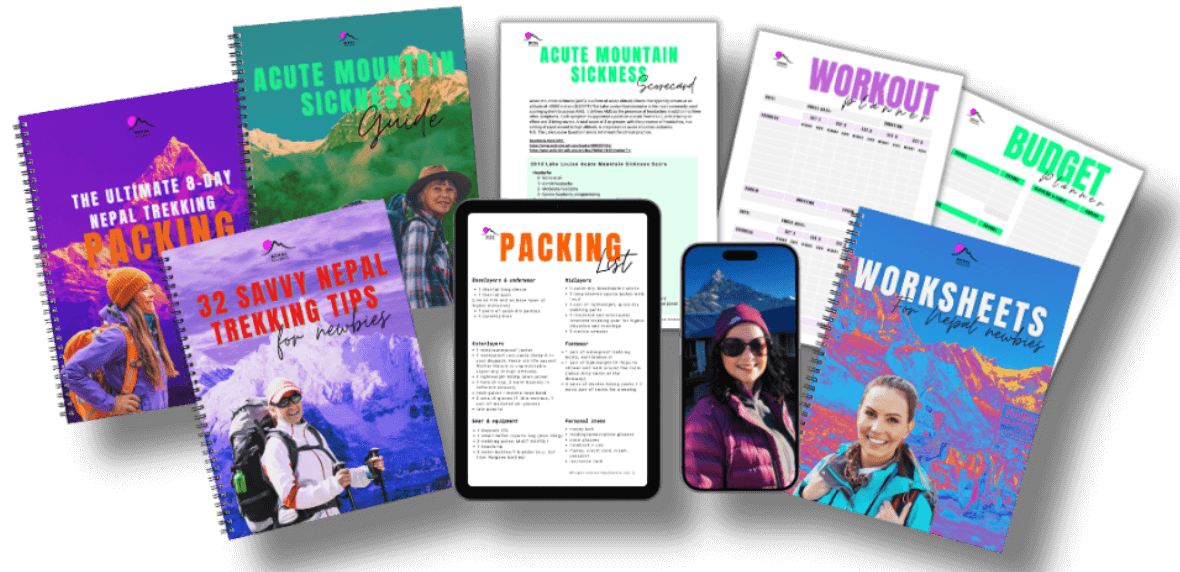
PREPARE FOR YOUR NEPAL TREK THE SMART WAY!
Everything I wish I'd had before my first trek: checklists, worksheets and honest tips. Free!

Hey there, I'm Sandra!
Life coach, mountain lover and proud Nepal newbie. I did my first trek in Nepal in my fifties, and it changed everything. Nothing grounds you like standing among those Himalayan giants.
On the trail, I learned the hard way that it's as much a mental game as a physical one. So I started Nepalnewbies.com to give beginners like us the honest advice I wish I'd had. No sugar-coating.
👉 READ MY STORY
Popular posts
What I found out, no sugar-coating, about what 17,598 ft (5,364 m) asks of you.
I made it to base camp, but my prep wasn't even close. Learn from my mistakes.
Here's what using a toilet is really like on a trek, and 10 tips to make it a lot less awkward.
NEW: THE NEPAL STARTER KIT.
Grab My Nepal Starter Kit.

PREPARE FOR YOUR NEPAL TREK THE SMART WAY! Everything I wish I'd had before my first trek: checklists, worksheets and honest tips. Free!
Copyright ©Nepalnewbies.com All Rights Reserved.
The Nepal trekking blog for beginners who want the real story. First-hand experience from a fifty-something beginner, honest tips and practical guides for your first trek in Nepal. Squat toilets included. No sugar-coating.
Copyright © YourCompany. All Rights Reserved