
Published June 16th, 2025 in TREKKING.
See Everest Without Crowds: Ama Dablam Base Camp Trek for Beginners.

By Sandra · Founder of Nepalnewbies.com, first-time Himalayan trekker (Mardi Himal Base Camp, 2024)

If you’re new to trekking and want to see Everest but feel like the usual EBC trek is just too tough or crowded, I totally get it—I feel the same way. So, I started looking into "easier" options, and Ama Dablam Base Camp kept popping up. Turns out, beginners are loving this trek for a bunch of reasons! — and it’s not just about the lower altitude. Here are 10 reasons why Ama Dablam Base Camp might be the better choice for first-time hikers like us.
1. Lower Altitude = Less Risk of Altitude Sickness
One of the biggest concerns I have—and I know a lot of beginner trekkers feel the same—is dealing with altitude sickness. The Everest Base Camp trek reaches up to around 5,545 meters (18,192 feet) at Kala Patthar, a popular viewpoint for seeing Everest, while the base camp itself sits at 5,364 meters (17,598 feet).
That sounds epic… until you start reading stories about people getting headaches, feeling dizzy or nauseous, throwing up, or even having to turn back before they reach the base camp. It’s definitely not something to take lightly—especially if it’s (one of) your first high-altitude trek(s).
Ama Dablam Base Camp is lower—around 4,600 meters—which still feels like a real adventure, but without pushing your body quite as hard. That difference in altitude can really matter, especially if it’s your first time trekking this high.
For me, knowing there’s less risk of getting sick means I can focus more on enjoying the views and the experience, and stress less about whether my body can handle it. Not only during the trek, but also preparing for it.
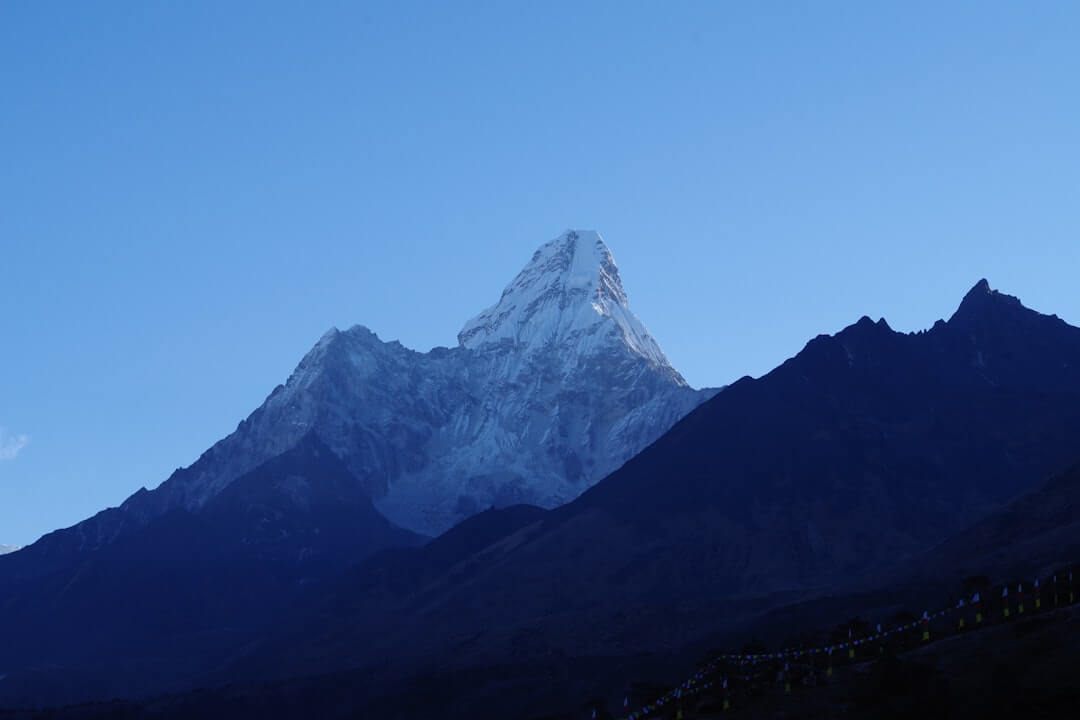
PRO TIP: Ama Dablam is one of the most iconic and beautiful peaks in the Himalayas, often called the “Matterhorn of Nepal” because of its sharp, dramatic shape. It stands at 6,812 meters (22,349 feet) and rises proudly above the Khumbu Valley, not far from Mount Everest.
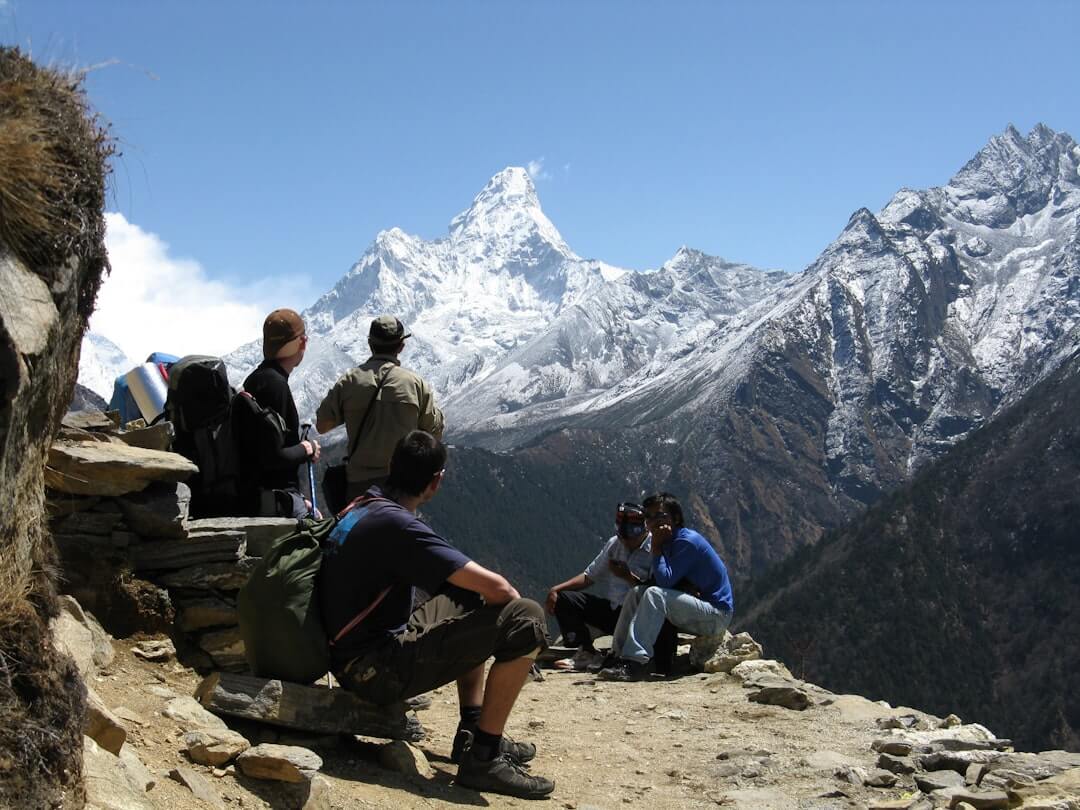
2. Fewer Crowds Than Everest Base Camp
Another big one for me: the crowds. The EBC trail is legendary—but also super popular. In peak season, you can end up hiking in a long line of people, queuing for photos, or even competing for space in teahouses. That might be part of the buzz for some, but as a beginner, it honestly sounds kind of stressful and overwhelming.
So how do I know Ama Dablam is less crowded? I’ve spent a lot of time researching, reading accounts from trek leaders, watching YouTube videos, and listening to people who’ve actually done both treks. The verdict is pretty consistent: once you leave Namche Bazaar and take the turn toward Ama Dablam Base Camp, the trail gets much quieter.
You’re still deep in the Khumbu region with amazing views, but without the nonstop stream of trekkers heading to Everest. If you're someone who prefers peace and space while hiking, this route sounds like a dream.
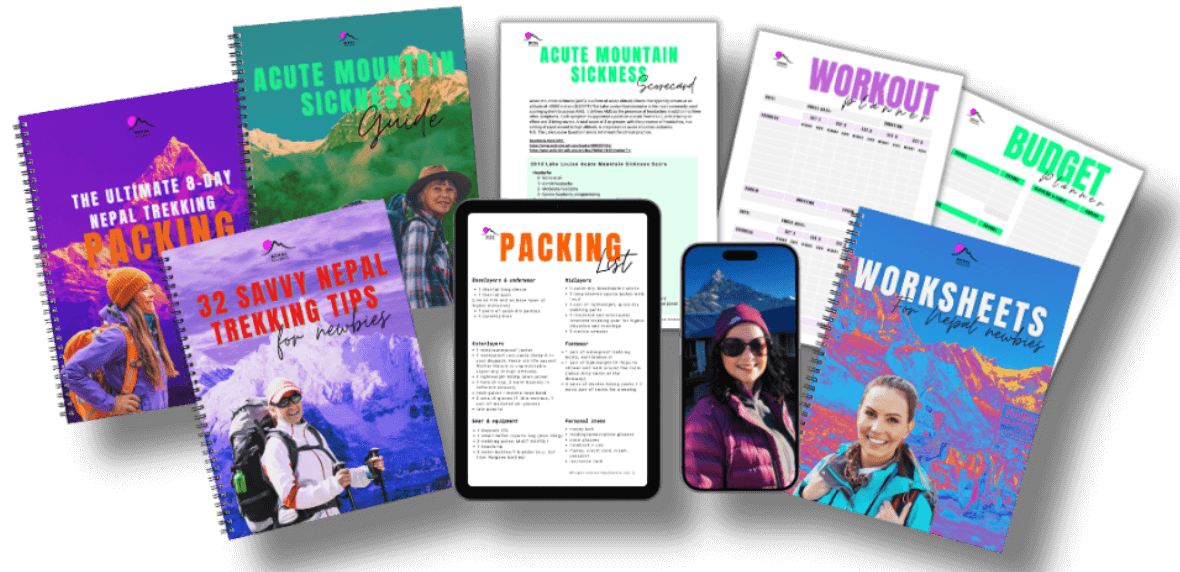
Prepare for Your Nepal Trek the Easy Way –
Get the Ultimate NEPAL Starter Kit.
NEW: Grab my complete Starter Kit packed with gear lists, handy guides, worksheets, and insider tips for trekking smart in Nepal!
3. The Views Are Just as Epic—Maybe Even Better
Let’s be honest—one of the main reasons any of us want to trek in Nepal is for those views. I assumed skipping the Everest Base Camp trek meant missing out on that iconic scenery… but wow, I was wrong!
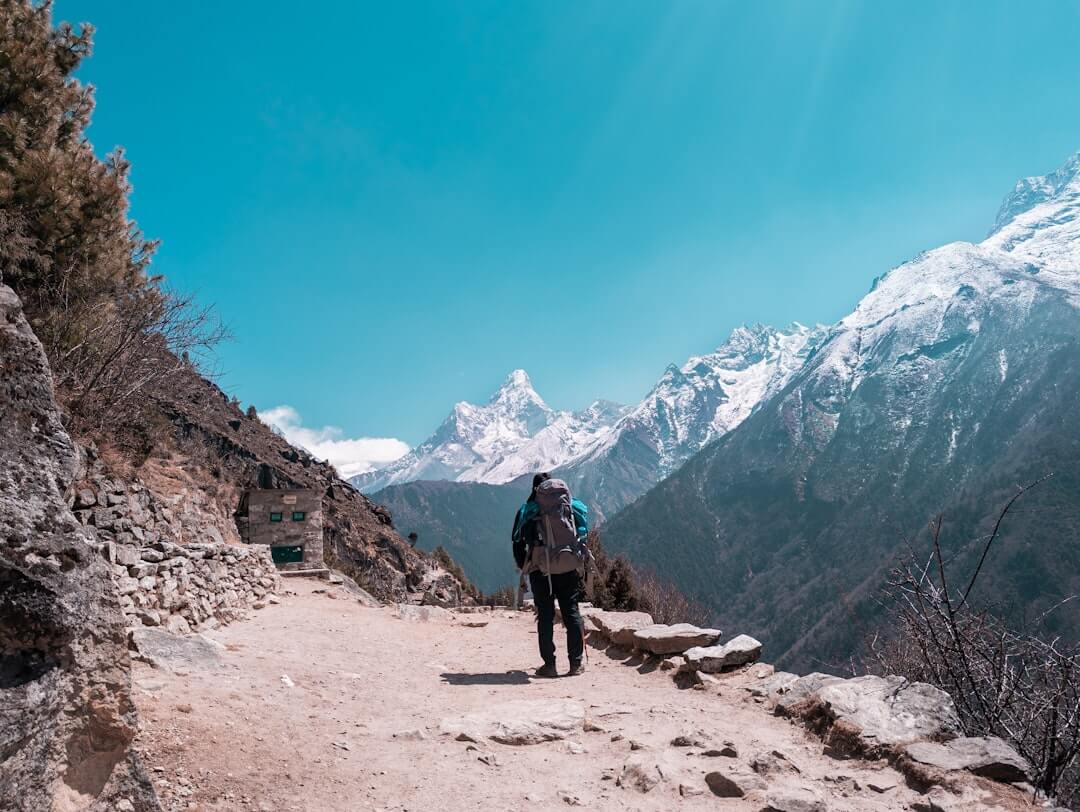
In all the videos I watched and blogs I read, people kept saying the Ama Dablam Base Camp trek actually offers some of the most stunning mountain views in the region—including Everest itself. But the real showstopper? Ama Dablam. It’s often called the most beautiful mountain in the Himalayas, and once you see a photo, you’ll get why.
From what I’ve gathered, this trek gives you constant, up-close views of snow-covered peaks—without having to battle the altitude or the crowds. Honestly, it feels like a hidden gem that still delivers the “wow” factor I was hoping for.
4. It Doesn’t Take as Long (So You’re Less Likely to Feel Burnt Out or Homesick)
Something I didn’t expect to think about while researching treks? Missing home. The classic EBC trek takes about 14 days, covers 130 km (81 miles) round trip, and climbs around 2,500 meters (8,200 feet) from Lukla to Kala Patthar. It’s a serious commitment—not just physically, but emotionally too. Two weeks in the mountains is no joke, especially if it’s your first time at high altitude.
Ama Dablam Base Camp is a shorter, more beginner-friendly option—usually 7–9 days, with 55–60 km (34–37 miles) total distance and roughly 1,200 meters (3,900 feet) of elevation gain from Namche. It’s still challenging, but I believe it’s gonna be way more manageable in both time and effort.
PRO TIP: Proper acclimatization is the number one preparation needed for high-altitude trekking. Follow the golden rule of altitude trekking: after 2,500 meters, don’t sleep more than ~500 meters higher than the night before.
5. More Time to Acclimatize and Actually Enjoy the Views
One thing I kept reading over and over: on the EBC trek, a lot of people are so focused on making it to base camp that they don’t always get to enjoy the journey as much as they hoped. There’s this constant push to stay on schedule, gain altitude, and deal with the effects of thinner air (the headache, people!).
Digging into people’s EBC experiences, a lot of them say the same thing:“I really loved it… but I wouldn’t do it again.” That stuck with me. It’s not because the trek isn’t incredible—it totally is—but because it can be so physically and mentally draining that many people, especially beginners, finish it feeling completely wiped out.
What’s great about the Ama Dablam Base Camp trek is that it gives us room to breathe—literally and mentally. Because the distances are shorter and the altitude is lower, there’s more flexibility to move at your own pace, take proper acclimatization days, and just soak it all in. You’re not racing against time or your body.
For me, that sounds ideal: fewer symptoms, more recovery time, and more chances to stop, take photos, chat with locals, and just look around and think, “Wow, I’m really here.”
6. You Still Get to Visit Namche Bazaar—And See Everest from the Famous Viewpoint
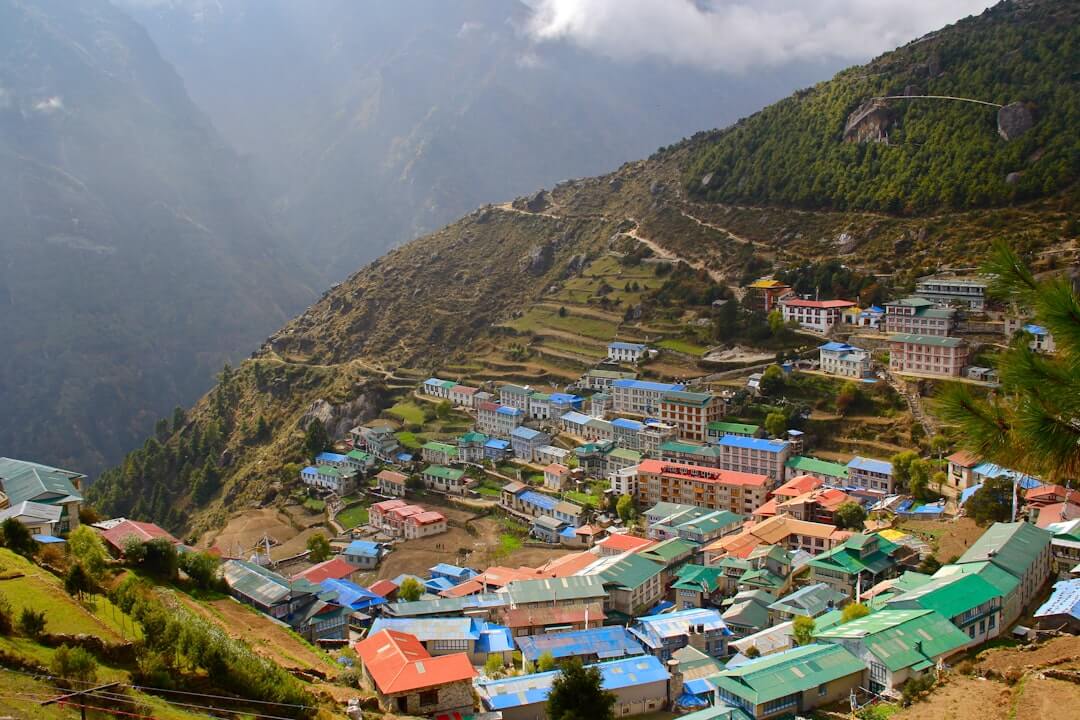
One of my early worries when I started looking into alternatives to EBC was: “Am I going to miss the iconic stuff?” But good news—you don’t. On the Ama Dablam Base Camp trek, you still pass through Namche Bazaar, the legendary Sherpa town where most trekkers stop to rest and acclimatize.
Namche is full of life—there are cozy bakeries, shops, and that classic trekking buzz. But the real highlight there? The acclimatization hike to Everest View Hotel. This is the spot where many trekkers get their first clear view of Everest—and it’s absolutely breathtaking. You’ll see Everest, Lhotse, Nuptse, and of course, Ama Dablam towering nearby.
It’s one of those pinch-me moments that makes the whole trip feel real—and you don’t have to commit to the full Everest Base Camp trek to get it. For beginners, it’s litterally the perfect balance of adventure and reward!
7. A More Authentic Sherpa Experience (Without the EBC Crowds)
Yes, both the EBC and Ama Dablam treks pass through e.g. Tengboche Monastery—so that stop isn’t unique. But what happens after Tengboche makes all the difference.
On the Everest Base Camp trail, things can start to feel crowded and commercial. With so many trekkers moving through the same route every day, the villages often feel more like busy pit stops than real mountain communities. You’re on a tight schedule, along with everyone else, and it’s harder to connect with locals or soak in the culture.
On the Ama Dablam Base Camp trek, you leave the main EBC path and head into quieter, more traditional Sherpa villages like Pangboche and even small hamlets beyond. The pace slows down, and the experience starts to feel less like a checklist—and more like actual cultural immersion. You’re more likely to chat with a lodge owner, visit smaller gompas, or witness daily life that isn’t shaped entirely around tourism.
For a relatively beginner trekker like me, that sounded like a deeper, more meaningful adventure—not just epic landscapes, but also real connection.
PRO TIP: Don’t go straight from Phakding to Namche in one push.
It might look doable on the map, but that day involves a tough 800+ meter (2,600+ feet) elevation gain—right when your body is just starting to adjust to the altitude. Instead, consider breaking it up by staying overnight in Monjo or Jorsalle, which gives your body a chance to ease into the climb and helps reduce the risk of altitude sickness later on. Trust me, your legs (and lungs) will thank you.
8. Less Pressure, More Flexibility
One thing I kept noticing when reading about the Everest Base Camp trek was how tight the schedule feels. Most itineraries are packed, and you’re constantly watching the clock—gotta make it to the next village, gotta hit the next acclimatization point, gotta keep up with the group. For a beginner, that kind of pressure can take a lot of the joy out of the experience.
The Ama Dablam Base Camp trek, on the other hand, feels more relaxed. Because it’s shorter, lower in altitude, and less crowded, you’ve got more wiggle room. You can take an extra rest day if you’re tired. You can stay longer in a village you love. You can pause and soak in the views without feeling like you're falling behind.
For me, that flexibility is a huge plus. It means I don’t have to “power through” just to keep up—I can actually enjoy the experience on my terms.
PRO TIP: It's a good idea to always carry your backpack for survival (never hike without it). Plus, it can help protect your back if you happen to slip while going down.
9. It’s Shorter—So You Don’t Need to Take a Huge Chunk of Vacation Time
Let’s be honest—not everyone can spend three weeks trekking in the Himalayas. The full Everest Base Camp trek, including acclimatization and travel, can easily take 16–18 days from start to finish. That’s a big chunk of your vacation, especially if you have work, family, or budget commitments.
The Ama Dablam Base Camp trek? Much more manageable. Most itineraries are around 10–12 days total, including travel to and from Kathmandu. This means you get the same incredible adventure, stunning views, and cultural experiences—without having to take an extended amount of time off.
For beginner trekkers (like me), this shorter time frame makes the whole trip feel way more doable and easier to fit into a busy schedule.
10. You’ll Feel Proud Without Pushing Yourself Too Hard
At the end of the day, what really matters is that you enjoy the trek and feel good about what you’ve achieved. The EBC trek is amazing, but it’s also tough—even experienced hikers sometimes struggle. That can make it feel overwhelming if you’re new to trekking.
Ama Dablam Base Camp offers a chance to experience the Himalayas, see Everest, and challenge yourself—without going to your absolute limits. Most trekkers stop at the base camp, which is a stunning destination on its own, without needing technical climbing skills or risking exhaustion from trying to summit the peak.
That said, the only difference you might notice compared to Everest Base Camp is that Ama Dablam Base Camp doesn’t have a big tourist sign like EBC does. Also, depending on the season and expedition schedules, the base camp can sometimes feel a bit quiet or even desolate—especially if there aren’t many climbing teams around.
Having that said, for beginners like us, that balance between adventure and well-being is key. It’s not about racing to the top (or base camp in our case); it’s about savoring the journey and being proud of every step along the way.
Conclusion
Ama Dablam Base Camp is honestly such a great alternative to the usual Everest Base Camp trek! Especially if you’re relatively new to trekking in Nepal and want to see Everest without all the crowds, crazy altitude, or feeling like you have to rush. You get amazing views, awesome Sherpa culture, plenty of time to adjust to the altitude, and probably a way more chill pace.
Ok it might not have the famous tourist sign at base camp (at least that I know of) or the busy vibe of EBC, but that quieter, less crowded feel is exactly why it’s so cool. For beginners like us, it’s about enjoying the trip, staying safe, and feeling proud without pushing ourselves too hard.
If these 10 reasons have got you thinking that Ama Dablam Base Camp could actually be a better fit for first-timers like us, you’re definitely not alone.
I’m definitely super stoked to have found this option and am already busy prepping and jotting down my itinerary!
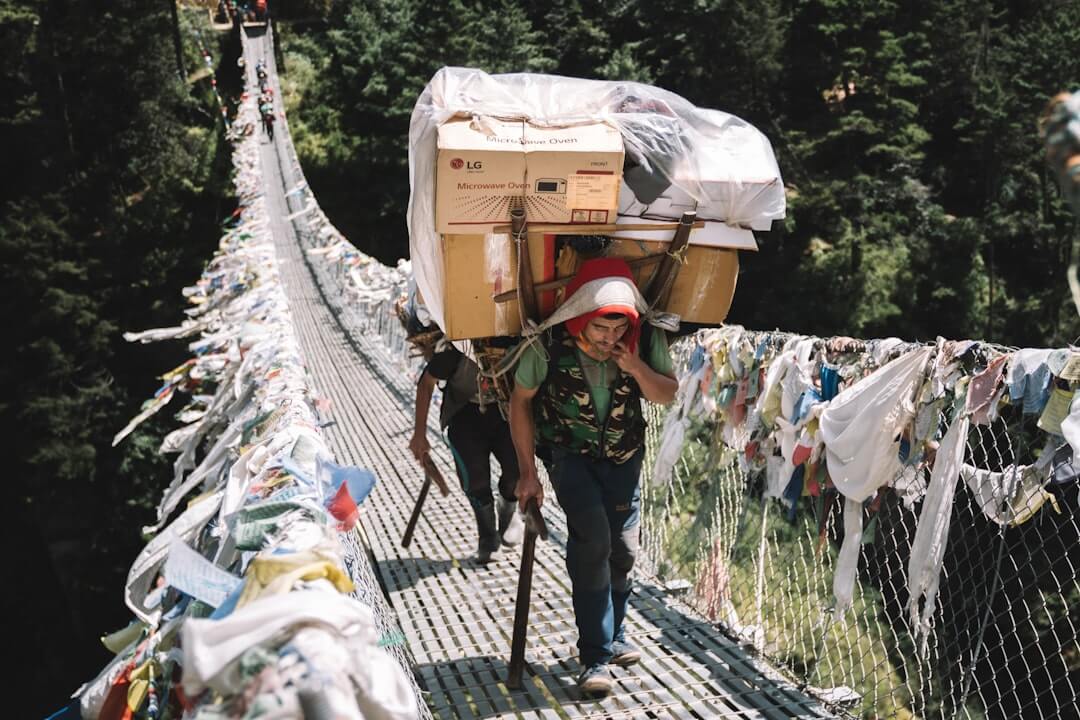
PRO TIP: You’ll cross about 10–15 suspension bridges on the Ama Dablam Base camp trek. If you’re scared of heights, the advice is to take it slow, hold the handrails, and focus on the far end—not down. Deep breaths help, and going with a buddy can boost your confidence. These bridges are built strong, so you’re safe—just take it one step at a time!
PREPARE FOR YOUR NEPAL TREK THE SMART WAY!
Everything I wish I'd had before my first trek: checklists, worksheets and honest tips. Free!

Hey there, I'm Sandra!
Life coach, mountain lover and proud Nepal newbie. I did my first trek in Nepal in my fifties, and it changed everything. Nothing grounds you like standing among those Himalayan giants.
On the trail, I learned the hard way that it's as much a mental game as a physical one. So I started Nepalnewbies.com to give beginners like us the honest advice I wish I'd had. No sugar-coating.
👉 READ MY STORY
Popular posts
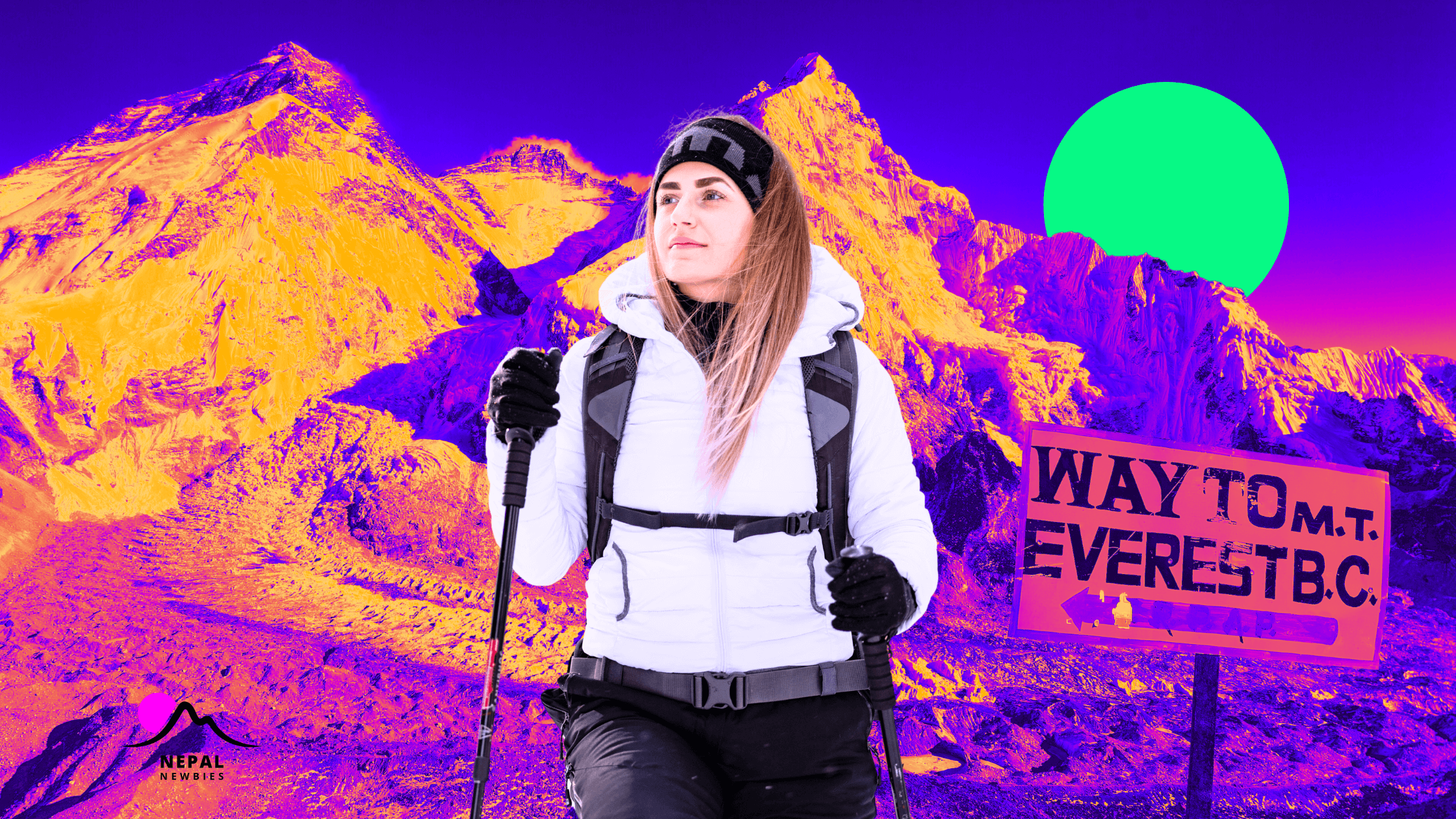
What I found out, no sugar-coating, about what 17,598 ft (5,364 m) asks of you.
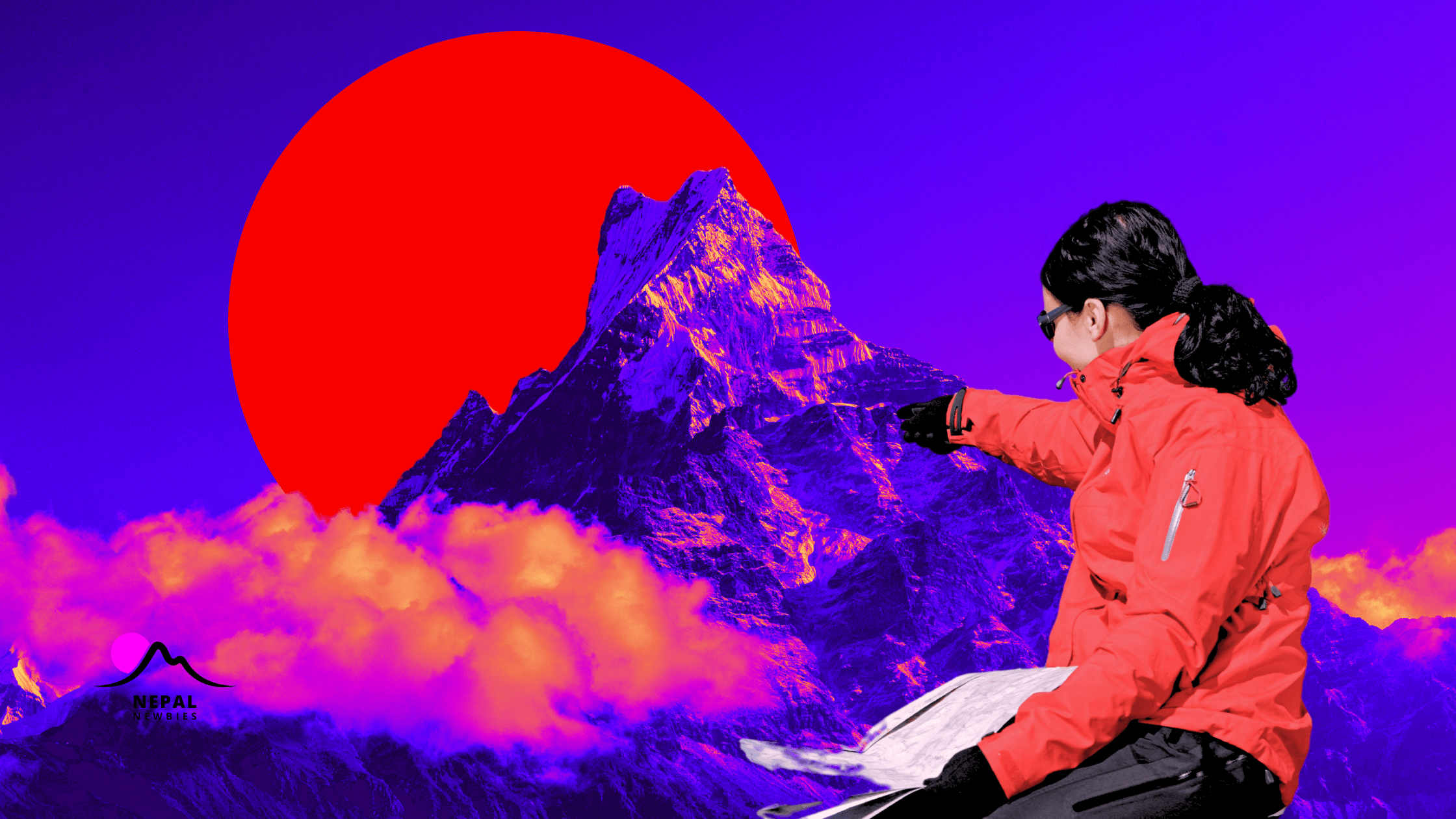
I made it to base camp, but my prep wasn't even close. Learn from my mistakes.

Here's what using a toilet is really like on a trek, and 10 tips to make it a lot less awkward.
NEW: THE NEPAL STARTER KIT.
YOUR TURN: Any thoughts, advice, experiences, questions? Share in the comments.
Grab My Nepal Starter Kit.

PREPARE FOR YOUR NEPAL TREK THE SMART WAY! Everything I wish I'd had before my first trek: checklists, worksheets and honest tips. Free!
Copyright ©Nepalnewbies.com All Rights Reserved.
The Nepal trekking blog for beginners who want the real story. First-hand experience from a fifty-something beginner, honest tips and practical guides for your first trek in Nepal. Squat toilets included. No sugar-coating.
Copyright © YourCompany. All Rights Reserved