
Published October 25th, 2025 in Packing.
Complete Packing List for Trekking in Nepal: Essential Gear, Clothing & Tips for First-Time Trekkers.

By Sandra · Founder of Nepalnewbies.com, first-time Himalayan trekker (Mardi Himal Base Camp, 2024)

I still remember the first time I packed for a trek in Nepal. I was so proud that I managed to fit all my stuff for my first trekking trip into a small carry-on suitcase and my new 25L Osprey daypack.
But when I got to Kathmandu, I realized I had forgotten some simple essentials like flip-flops for the shower and chargers for both my iPhone and my brand-new smartwatch. The worst part? I couldn’t find a charger there because my smartwatch needed a special magnetic cable. By the time I hit the trail, my watch was already dead. Total rookie mistake!
If you’re gearing up for your first trek in Nepal, I bet you’re feeling that thrill (and maybe a bit of confusion about what to pack). But don’t sweat it—I’ve been through it all and I’ve got your back. Here’s my essentials checklist just for first-time trekkers in Nepal, so you won’t make the same blunders I did!
Prepare for Your Nepal Trek the Easy Way –
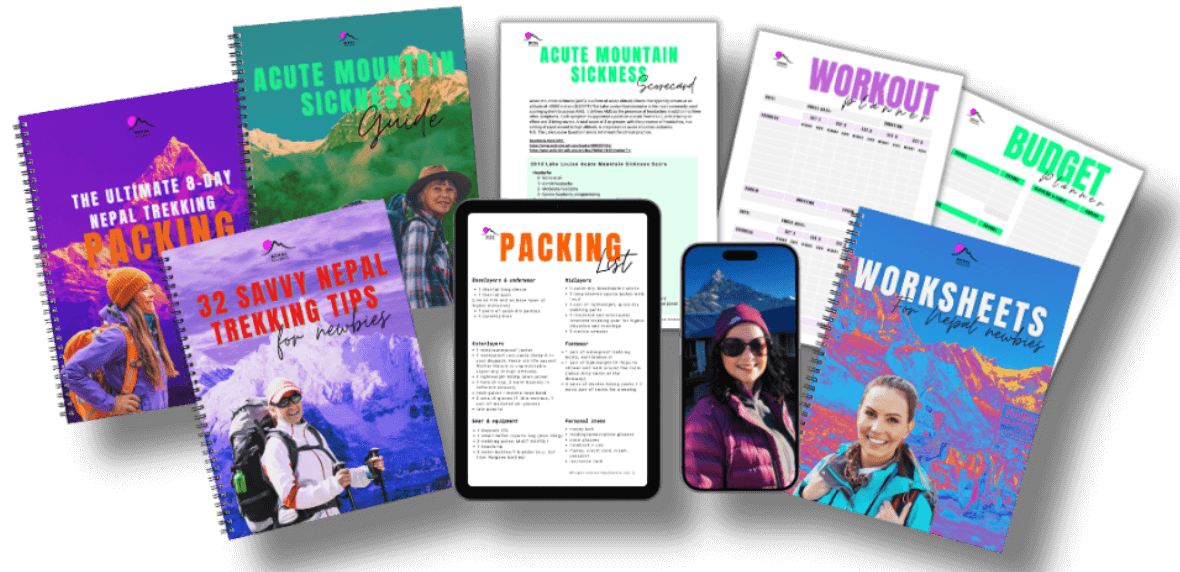
Get the Ultimate NEPAL Starter Kit.
NEW: Grab my complete Starter Kit packed with gear lists, handy guides, worksheets, and insider tips for trekking smart in Nepal!
5 big gear questions
Before I give you my full packing list, let’s be honest — we all have those “wait, do I really need this?” questions before our first trek. I definitely did! So here are the five big gear questions I had (and maybe you do too) — along with what I learned after a few repacks, and aha moments on the trail.
1. What essential gear do I need for my first trek in Nepal?
When packing for your first trek in Nepal, think layers, comfort, and practicality. In short, your must-haves include sturdy trekking boots or trailrunning shoes, moisture-wicking, warm base layers, a warm down jacket, a rainproof/windproof outer shell, and quick-dry trekking pants and insulated pants for high altitude.
Don’t forget a good backpack, trekking poles, a sleeping bag rated for sub-zero nights, and a headlamp for early starts. Essentials like a first-aid kit, sunscreen, a hat, two 1 L reusable water bottles, and/or a water bladder and purification tablets (just in-case there's no boiled water available) will keep you safe and comfortable on the trail.
2. What should I specifically pack if I go trekking in autumn or spring in Nepal?
If you’re thinking about trekking in Nepal during the fall (September to November) or spring (March to May), you’re in for a treat! These are the best times to hit the trails with mostly clear weather, though temperatures can swing from warm during the day to pretty chilly at night.
So, what should you pack? Everything above. It's as simple as that.
Just keep in mind – the higher you trek, the colder it gets, especially at night. In either season! So you’ll want to bundle up in your base layers, down jacket, and a solid sleeping bag that can handle **at least** -10 °C for those chilly nights! Trust me on this one.
3. Do I need to bring my own trekking poles, sleeping bag, or can I rent them in Nepal?
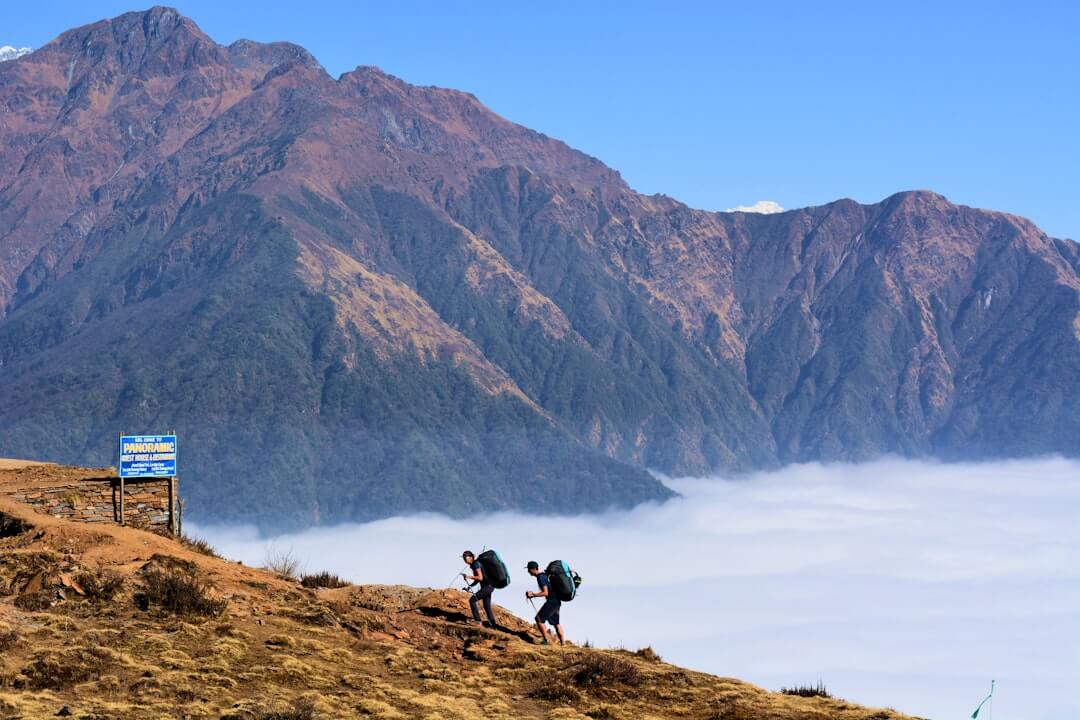
Good news — you don’t have to bring everything from home! In Kathmandu’s Thamel and Pokhara’s Lakeside areas or in Lukla or Namche, you can easily rent or buy almost all trekking gear you’ll need, from sleeping bags and down jackets to trekking poles and backpacks. Prices are affordable, and the selection is huge.
If you already own high-quality, lightweight gear, bring it—you’ll appreciate its reliability on the trail. But if you’re traveling light or on a budget, renting is a smart and convenient option.
That said, in my opinion, there are two downsides to renting or buying gear in Nepal:
- You’ll need time to shop and test your gear. I’ll be honest — my first time in Kathmandu, especially in Thamel, was overwhelming. The maze of shops, endless choices, and the expected haggling were a lot to handle right after landing. Also, when you're on the trail your trekking buddies may not appreciate it if you take your time buying all your gear.
- Quality can be unpredictable. You might not always know whether you’re getting a genuine brand or a good imitation, and the performance may not match what you’re used to.
If you have the time (and patience), you can find some great deals. But if you prefer peace of mind, it’s often worth bringing your trusted essentials from home.
PRO TIP: Daypack vs. Duffel Bag — Keep water, snacks, rain gear, and essentials in your daypack—you’ll need them often. Your duffel (carried by a porter) holds clothes, a sleeping bag, and items for the teahouse.
4. What kind of backpack is best for trekking in Nepal?
For multi-day treks like the Annapurna Base Camp or the easier Poon Hill trek, go for a durable, lightweight backpack in the 40–60-liter range (mine was a 25L daypack). Look for one with a comfortable hip belt, adjustable straps, and good back ventilation — you’ll be carrying it for hours each day, so comfort really matters.
Probably, you’ll also have a porter who carries your duffel bag (yes, you need to bring one!). In that case, your daypack will hold just the essentials — water, snacks, extra layers of clothing, a first-aid kit, sunscreen, and your valuables. Keep it light and well-organized so you can grab what you need quickly on the trail.
When I did my first trek, I carried my brand-new Osprey pack — it looked great but felt heavier with every step, especially once I filled the two water bottles and started climbing higher into thinner air. Those endless stone steps in the Himalayas make even a few extra kilos feel like a ton! It taught me that every item counts and that a lighter pack means a happier trek.
5. How can I keep my electronics charged during a trek in Nepal?
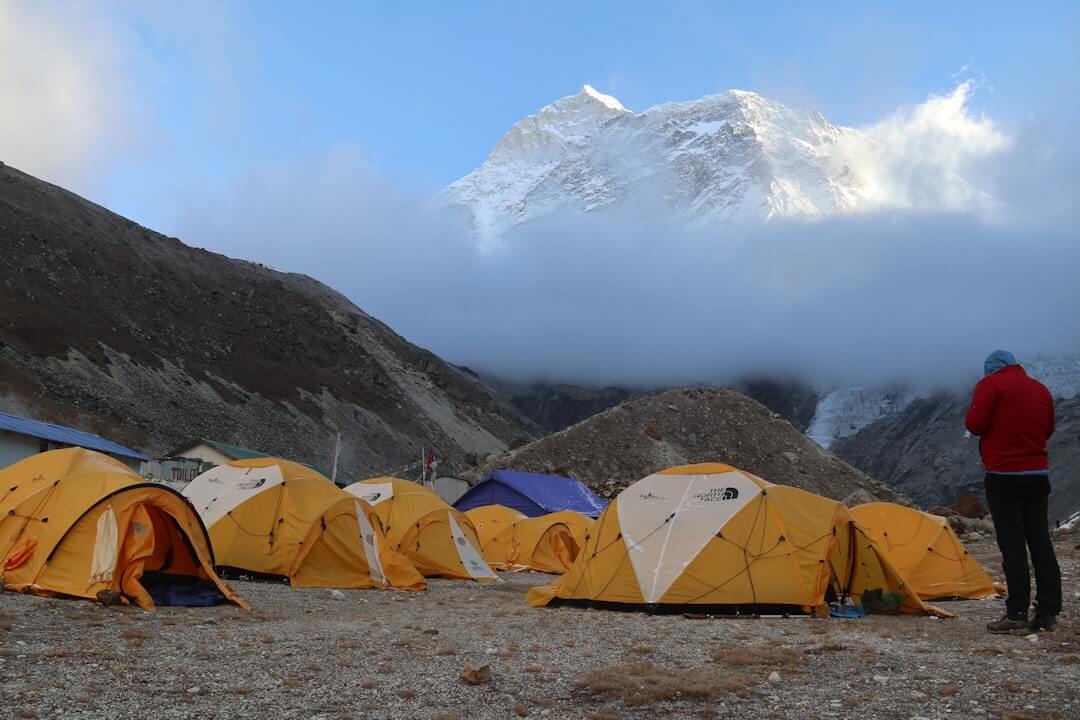
Staying connected with our devices is super important, especially when you’re heading to the Nepalese mountains! But be ready for some unexpected power challenges. The cold up there can drain your phone battery way faster than you’d think!
Make sure to pack a power bank with 10,000-20,000 mAh, or grab a solar charger (just remember to test it at home first!). And don’t forget extra charging cables—trust me, you don’t want to end up without them!
Oh, and just a heads-up: some/most teahouses might charge a small fee for electricity, and there may be limited outlets, so planning ahead is definitely a smart move!
Complete Packing List for Autumn or Spring Treks in Nepal
Alright, now that we've tackled the usual gear questions, let's dive into the full packing list. Whether you’re taking on the Annapurna Base Camp, heading to Everest Base Camp, or checking out one of Nepal’s awesome short treks like we did (Mardi Himal Base Camp), this list is gonna help you pack smart.
CLOTHING
Autumn and spring weather in Nepal can swing from sunny and warm to cool and windy, especially at higher altitudes — so layers are your best friend!
Base Layers (Innerwear):
- 3 moisture-wicking t-shirts (synthetic or merino wool)
- 1–2 long-sleeve thermal tops
- 1–2 pairs of thermal leggings
Mid Layers:
- 1 lightweight down jacket
- 1 warm hoodie, fleece, or merino wool sweater, neck gaiter, hat, gloves
Outer Layers:
- 1 waterproof and windproof shell jacket
- 1 pair of rainproof pants or lightweight over-trousers
Trekking Pants:
- 1–2 pairs of quick-dry trekking pants
- 1 pair of insulated trekking pants for higher elevation
Underwear & Socks:
- 7 pairs of moisture-wicking underwear (for 14 days
- 5 pairs of trekking socks (plus one warm pair for the night)
FOOTWEAR
- Sturdy, well-broken-in trekking boots/shoes (water-resistant recommended)
- Lightweight fit flops or Crocs
GEAR / EQUIPMENT
- 40–60 L trekking backpack (with rain cover) or daypack (20–30 L) if you have a porter
- Duffelbag
- Sleeping bag (comfort temp rated –10°C or lower for higher routes)
- Trekking poles (foldable or adjustable)
- Headlamp
- 2 Reusable water bottles or hydration bladder (2L+)
- Water purification tablets
- Sunglasses with UV protection
- Quick-dry towel
- Dry bags or packing cubes (to organize gear)
PERSONAL ITEMS / TOILETRIES
- Sunscreen (SPF 50+) and lip balm with SPF
- Wet wipes and biodegradable soap
- Toothbrush and toothpaste
- Toilet paper and small zip bags for waste
- Small first-aid kit (include blister pads, ibuprofen, Diamox if needed)
- Hand sanitizer
- Any personal medications
- reading glasses
- hair brush/comb
Electronics
- Phone and smartwatch chargers (don’t forget them like I did!)
- Power bank (10,000–20,000 mAh)
- Universal travel adapter (Type C, D, or M)
- Camera or GoPro (had no time to use it!)
- Extra memory cards and batteries
- Nepali SIM card
Documents & Essentials
- Passport and Nepal visa
- Trekking permits (TIMS, ACAP, or Sagarmatha National Park)
- Travel insurance (with trekking coverage)
- Cash in small Nepali rupees (many places don’t take cards)
- Notebook or journal (you’ll thank yourself later)
FOOD/DRINK (trail fuel)
While you can buy basic snacks along popular trekking routes, it’s smart to bring your own high-energy treats for those long hiking days — or when you’re far from the next teahouse. Pack lightweight, non-perishable foods that give you quick boosts of energy and a little comfort along the way:
- Beef jerky or dried meat – a great source of protein, and keeps well
- Dextro Energy tablets – instant sugar hit for steep climbs
- Snickers or chocolate bars – perfect morale boosters at altitude
- Trail mix or nuts – healthy fats and sustained energy
- Nut or granola bars – compact, filling, and easy to snack on
- Instant coffee sachets – trust me, the teahouse coffee isn’t quite the espresso you’re used to
- your favorite tea bags or hot chocolate sachets – cozy rewards after a long day
- Electrolyte powder or hydration tablets – replace salts and stay energized
PRO TIP: Pack your snacks in small, resealable bags or pouches — they’ll stay fresh, save space, and make it easier to grab a quick bite on the trail.
Final Thoughts: Pack Light, Trek Far
Looking back on my first trek in Nepal, I can’t help but chuckle at how nervous and totally overprepared I was. I packed every shiny piece of gear I could find, checked my lists a million times, and still managed to forget some basics!
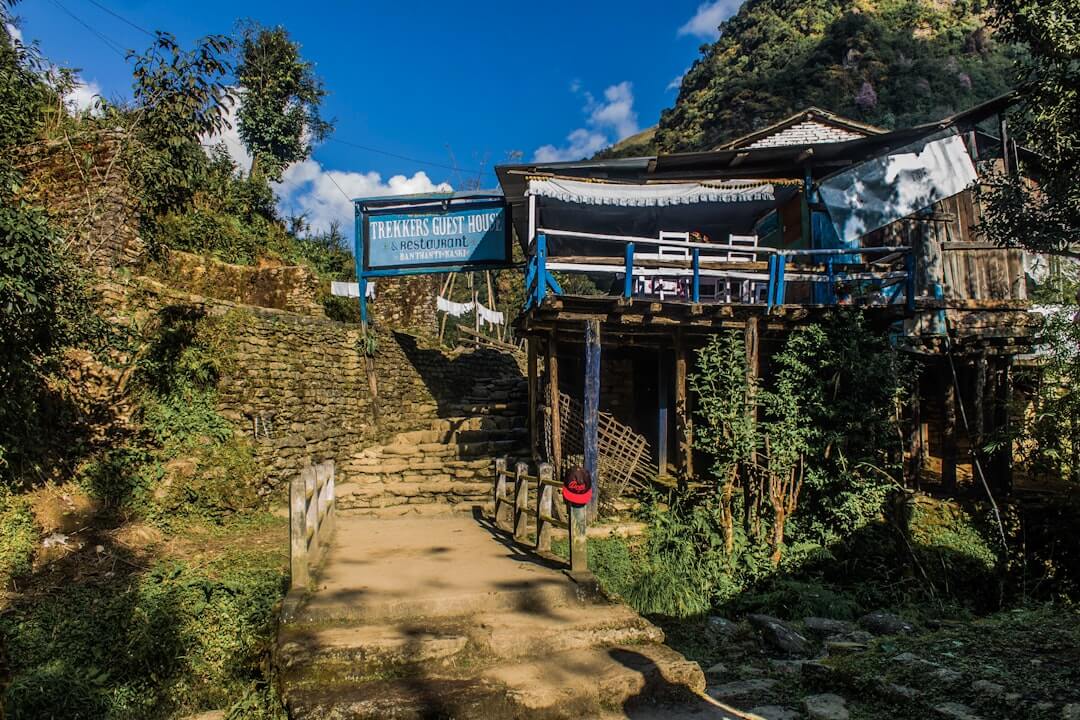
But honestly, once I hit the trail, all those worries faded away. The sound of prayer flags flapping in the wind, the rhythm of my boots on the path, and the friendly locals and other trekkers I met along the way—that's what really stuck with me.
Sure, packing well is important. It makes everything smoother, keeps the climbs from being too tough, and helps those early mornings feel a bit less hectic. But the real fun kicks in when you stop stressing about your backpack and just look up at those jaw-dropping mountains.
So, pack wisely, keep it light, and trust yourself. You’ll figure it all out as you go—one step, one deep breath, and one grateful smile at a time.

Hey there, I'm Sandra!
Life coach, mountain lover and proud Nepal newbie. I did my first trek in Nepal in my fifties, and it changed everything. Nothing grounds you like standing among those Himalayan giants.
On the trail, I learned the hard way that it's as much a mental game as a physical one. So I started Nepalnewbies.com to give beginners like us the honest advice I wish I'd had. No sugar-coating.
👉 READ MY STORY
PREPARE FOR YOUR NEPAL TREK THE SMART WAY!
Everything I wish I'd had before my first trek: checklists, worksheets and honest tips. Free!
Popular posts
What I found out, no sugar-coating, about what 17,598 ft (5,364 m) asks of you.
I made it to base camp, but my prep wasn't even close. Learn from my mistakes.

Here's what using a toilet is really like on a trek, and 10 tips to make it a lot less awkward.
NEW: THE NEPAL STARTER KIT.
YOUR TURN: Any thoughts, advice, experiences, questions? Share in the comments.
Grab My Nepal Starter Kit.

PREPARE FOR YOUR NEPAL TREK THE SMART WAY! Everything I wish I'd had before my first trek: checklists, worksheets and honest tips. Free!
Copyright ©Nepalnewbies.com All Rights Reserved.
The Nepal trekking blog for beginners who want the real story. First-hand experience from a fifty-something beginner, honest tips and practical guides for your first trek in Nepal. Squat toilets included. No sugar-coating.
Copyright © YourCompany. All Rights Reserved