
Published March 19, 2025 in TREKKING.
Essential Hiking Techniques for Beginners: How to prepare for your first Trekking in Nepal

By Sandra · Founder of Nepalnewbies.com, first-time Himalayan trekker (Mardi Himal Base Camp, 2024)

Mountain hiking is a unique experience, particularly for those of us living in lowland areas -like me- , where there are only a few hills and where a bridge is basically our highest peak. If you don’t have real mountains nearby, preparing for your first trekking trip in Nepal can be quite challenging. Honestly? In hindsight, on my first trip I was pretty ill-prepared. No matter how much I trained with long hikes, taking the stairs to my 7th floor apartment or how many YouTube videos I watched, nothing felt like those actual Nepal trails. They were way steeper, rockier, and way more relentless than any of my casual summer mountain hikes. To help you prepare better, here are a few tips to actually get you ready.
Understanding the Terrain in the Nepalese High Mountains
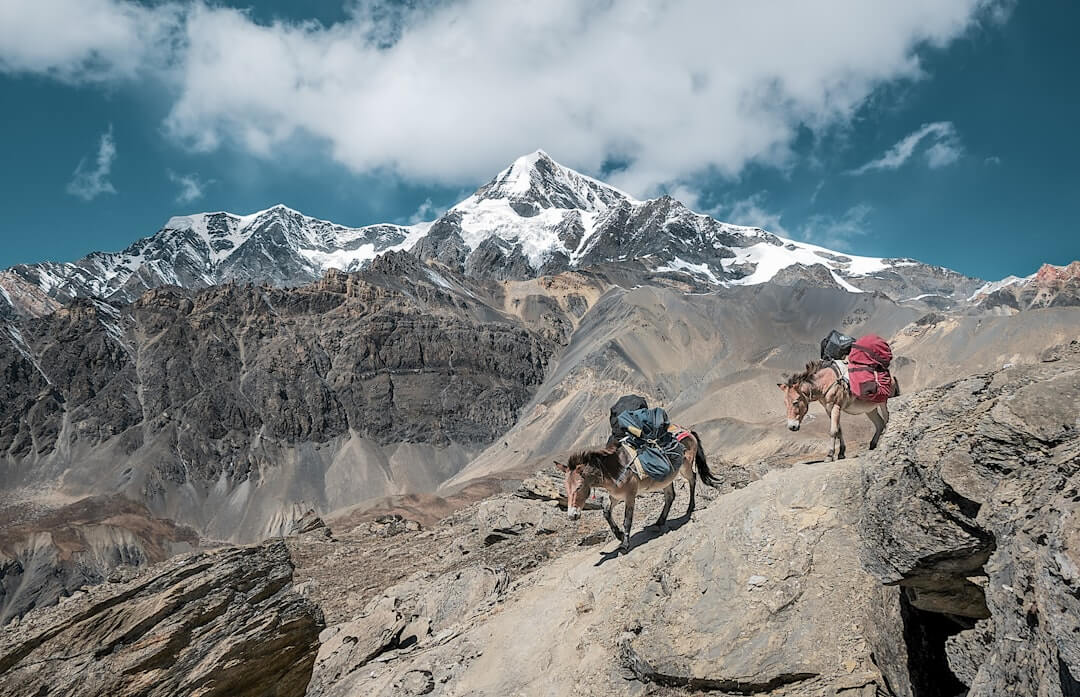
OK, here's something to consider: The terrain in the Nepalese high mountains are both breathtaking and super tricky for beginner hikers. You'll find long, steep ascents, rocky trails, narrow passes, exposed ridges, scary bridges and sometimes muddy, snow and ice-covered trails. A scene you might not be familiar with if you're a beginner hiker. I know I wasn't.
The trails are physically demanding, and the weather can change rapidly, making your hike even more challenging. For example, hiking can get challenging in heavy rain or thick fog. So, it’s a good idea to check out the terrain (and weather forecast!) of your chosen route and get ready for what you might face along the way.
PRO TIP: Study the terrain of your chosen route to prepare for what lies ahead. E.g. watch Youtube videos and especially pay attention to the terrain and surroundings. Use apps like Alltrails to find out more about your route etc.
Elevation profile: What does it mean?
One of the coolest things about the Nepalese mountains is how high they are. Hiking up there is a whole different ball game, especially if you're new to it. The air gets really thin, and there’s less oxygen, which can mess with your stamina and make it harder to breathe normally.
It’s a definitely a challenge you might not have faced before. You'll be surprised by the effect! What sounds relatively easy, like walking a couple of hundred meters up the mountain over a stretch of not too many kilometers, will feel extremely difficult when there's less oxygen.
There's only one way to prepare for this and make it easier on yourself: Familiarize yourself with the elevation profile of your trek and plan your ascent accordingly to allow for proper acclimatization. If you buy a trekking package, check the itinerary and elevation gains and adapt if necessary.
Gradual ascents with scheduled rest days can really help your body adjust to the altitude and reduce the risk of altitude sickness.
PRO TIP: Proper acclimatization is the number one preparation needed for high-altitude trekking. There are some official guidelines available. Check them out in our Nepal Starter Kit.
Trail markers
The trails in the Nepalese mountains can vary from well-trodden paths to rugged, unmarked routes. It's essential to have some navigation skills, whether you're using a GPS device, a map, or following a guide. By the way, just following your guide blindly, is a rookie mistake. Always pay attention to trail markers and signs, and always stay on the designated path to avoid getting lost. Don't try to take a short cut!
Understanding the terrain also means knowing potential hazards, such as loose rocks, slippery surfaces, and shallow river / snow field crossings. Being vigilant and somewhat prepared for these challenges will enhance your safety and enjoyment during your trek.
Ascending and Descending Techniques
Getting the hang of ascending and descending techniques is key to a great trek in the Nepalese mountains. Ascending, when you’re heading uphill, is all about having good strength and stamina and knowing the right way to tackle those climbs.
Vistare, vistare!
When going uphill, it's essential to maintain a steady pace that you can sustain for an extended period. And here's an invaluable tip our mountain guide gave us immediately at the start of our trek: Go slowly! That's how you walk in high mountains: slow but steady.
If you hear something like "Bistarai, bistarai" meaning "slowly, slowly": slow down your pace, even if you think you were not even going that fast.
Rushing is a flat-country habit or beginner's mistake, but can quickly lead to exhaustion and increase the risk of injury (like when losing your balance on a steep staircase because you're feeling lightheaded).
PRO TIP: Technique: Focus on taking small, deliberate steps, and use your trekking poles to distribute your weight and provide stability.
Descending technique
Your hiking technique is equally important when descending or going downhill. My experience is that descending can even be more challenging than ascending because it puts more strain on your knees and joints.
You can prepare by checking the tips from your local high mountain hiking association and practicing them at home on any available slopes. Here are some of those tips:
- To protect yourself from getting injured, bend your knees slightly and keep your center of gravity low.
- Take shorter steps and use both of your trekking poles to help maintain balance and reduce the impact on your legs.
- Watch your footing and avoid loose or slippery surfaces that could cause you to slip or fall.
- Follow your own pace. Don't go racing with others in your group that go faster! Hiking in Nepal is a mental game as well.
PRO TIP: It's a good idea to always carry your backpack for survival (never hike without it). Plus, it can help protect your back if you happen to slip while going down.
Deep, rhythmic breathing
Proper breathing is vital in both ascending and descending. Deep, rhythmic breathing helps maintain oxygen levels and reduce fatigue. Practice breathing techniques to stay calm and focused, especially at higher altitudes with thinner air.
Additionally, pay attention to your body's signals and take breaks when needed. Overexertion can lead to injuries and diminish your overall hiking experience.
By mastering the ascending and descending techniques, you'll be better prepared to tackle the challenging terrain of the Nepalese mountains.
Stairs, Rocks, and Debris
Navigating stairs, rocks, and debris is a common challenge in the Nepalese mountains. The trails often include steep stone staircases, loose rocks, and areas covered with debris from landslides or avalanches. To handle these obstacles, it's essential to have a good sense of balance and agility.
- When climbing stairs, use the steps to your advantage by taking one step at a time and using your trekking poles for added support.
- Lean slightly forward to maintain your balance and avoid straining your back.
- When dealing with loose rocks and debris, it's crucial to watch your footing and move carefully. Loose rocks and stones can shift under your weight, making it easy to lose your balance.
- Test each step before putting your full weight on it, and use your trekking poles to check the stability of the ground, as well as the stability of your preference foot.
- Be cautious of areas with recent landslides or rock falls, as these can be particularly unstable. Consider turning back or finding an alternative route if you encounter a dangerous section. Discuss your concerns with your mountain guide!
Stay focused and aware
In addition to physical technique, mental preparation is also essential. Stay focused and aware of your surroundings at all times. Fatigue can make you more prone to accidents, so take regular breaks and stay well hydrated.
Appropriate footwear with good grip and ankle support can make a significant difference. By being mindful of the challenges posed by stairs, rocks, and debris, you can navigate the trails more safely and enjoyably.
How to stay positive
Here's another important tip: Don't worry about others around you. You may be seeing people in great shape effortlessly running up the mountain and passing you by. This might lead to various thoughts and doubts about yourself and your abilities, resentment or negative feelings towards those "show-offs" or causing you even to question why you chose to take on this challenge.
Well, know this: It's perfectly normal to feel a bit overwhelmed at times. Like I said, hiking in Nepal is also a mental challenge. Just remember, this is all part of the adventure. The important thing is how you handle any negative feelings.
Embracing techniques like mindfulness, inward focus and some simple breathing exercises can really help you stay centered and keep enjoying your time. Practice it at home and you'll be doing great.
Trekking in Nepal is all about finding that balance between the physical and mental! That goes whether you're a beginner or a more advanced hiker.
Hiking Technique on Snow Ridges
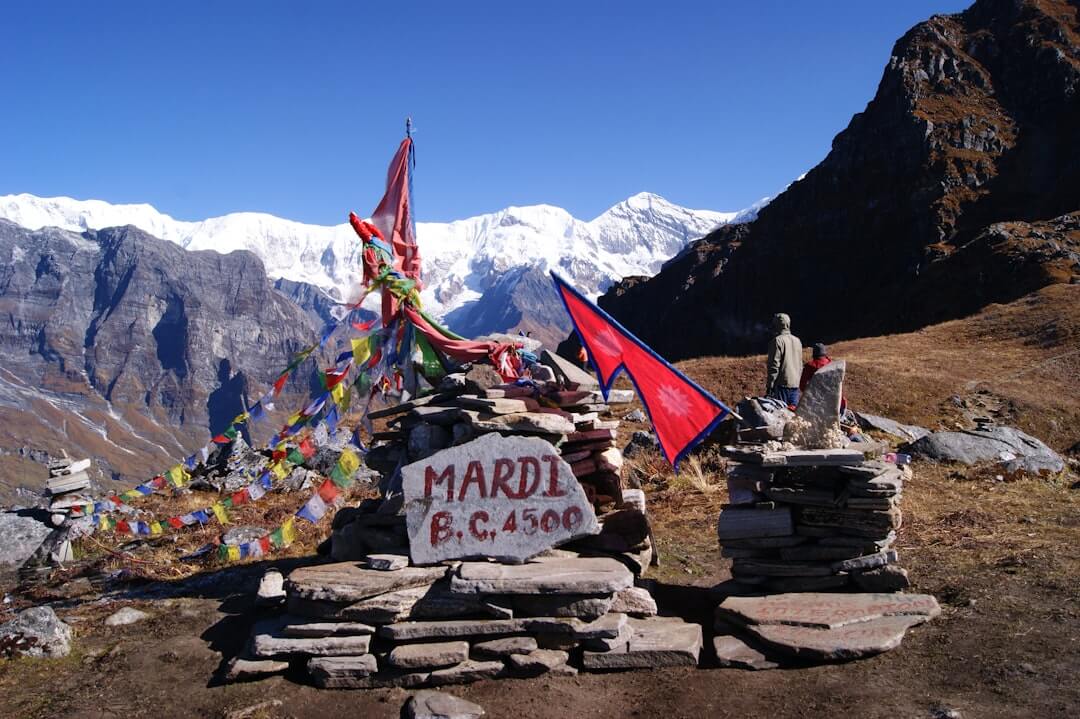
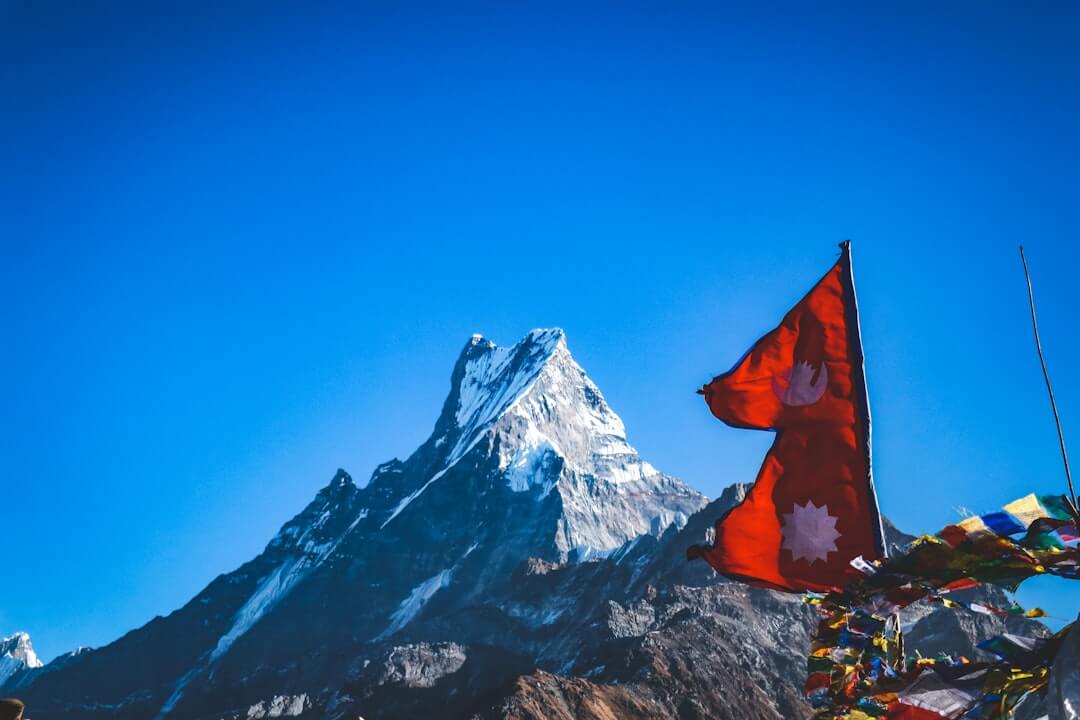
Ok, here's another thing: Hiking on snow ridges! That definitely requires specific techniques to ensure safety. The higher you go, the more likely you'll encounter snow fields (even when it's not winter). We went to Mardi Himal Base Camp in the Annapurna range in November and the upper part of the trail was covered in snow!
Snow ridges can be narrow and "exposed" (=sections of a trail that have little to no protection from falls meaning a misstep could lead to a serious or fatal drop), with steep drops on either side, making balance and careful footwork crucial.
The safety of your hike largely depends on the snow's composition and the steepness of the slope. If you arrive early in the morning to find a frozen snowfield and a slope of 30 degrees, and there are no existing tracks, it is advisable to choose an alternative route. Trust your guide on his/her advice and also listen to your own intuition.
Should you use crampons?
When hiking on snow, we think it's a good idea to use crampons or microspikes to provide traction. Especially when you're a beginner hiker and don't have much experience hiking in snow fields and keeping your balance. These tools help prevent slipping on icy surfaces and give you more control over your movements.
Realize that without crampons, navigating this terrain can be dangerous. Remind yourself: it's the Himalayas, not your average hometown city park! The scenery might look so serene and peaceful, but the trail can be tricky to say the least.
PRO TIP: Carry lightweight, easy-to-put-on crampons in your pack and commit to using them whenever you traverse a snow field, ridge, or snowy part of the trail. Don't overthink it. Just put them on!
Hiking technique tips on snow:
- Whenever possible, follow existing footsteps.
- Walk upright and use the edge of your shoe to kick steps into the snow.
- In challenging snow conditions, allow the most experienced hiker to lead the way. This will most likely be your Nepal mountain guide, but you'll notice quick enough. The next hiker can help improve the track for those who follow.
- When crossing a steep snowfield, maintain an upright posture. Leaning towards the slope can increase your chances of slipping.
- Consider carrying lightweight crampons, especially if hiking early in the season, winter or at high elevations.
- Trekking poles are also essential to help you maintain your balance in a snowfield.
Conclusion
Hiking in the Nepalese mountains is an incredible adventure that requires good preparation and familiarity with some of the essential mountain hiking techniques. As a beginner hiker starting your first trekking adventure in Nepal, focusing on safety will help you navigate the challenges of mountain hiking with confidence.
Familiarizing yourself with the terrain of your trek and have some basic knowledge and experience with techniques of ascending, descending, and navigating difficult obstacles like high stairs, rocks, and snow ridges will definitely enhance your hiking experience.
Combining these essential hiking techniques with proper fitness preparation and a mindful approach, you can start your trekking adventure in Nepal with confidence and enthusiasm. Even if you're a beginner hiker!
PREPARE FOR YOUR NEPAL TREK THE SMART WAY!
Everything I wish I'd had before my first trek: checklists, worksheets and honest tips. Free!

Hey there, I'm Sandra!
Life coach, mountain lover and proud Nepal newbie. I did my first trek in Nepal in my fifties, and it changed everything. Nothing grounds you like standing among those Himalayan giants.
On the trail, I learned the hard way that it's as much a mental game as a physical one. So I started Nepalnewbies.com to give beginners like us the honest advice I wish I'd had. No sugar-coating.
👉 READ MY STORY
Popular posts
What I found out, no sugar-coating, about what 17,598 ft (5,364 m) asks of you.
I made it to base camp, but my prep wasn't even close. Learn from my mistakes.

Here's what using a toilet is really like on a trek, and 10 tips to make it a lot less awkward.
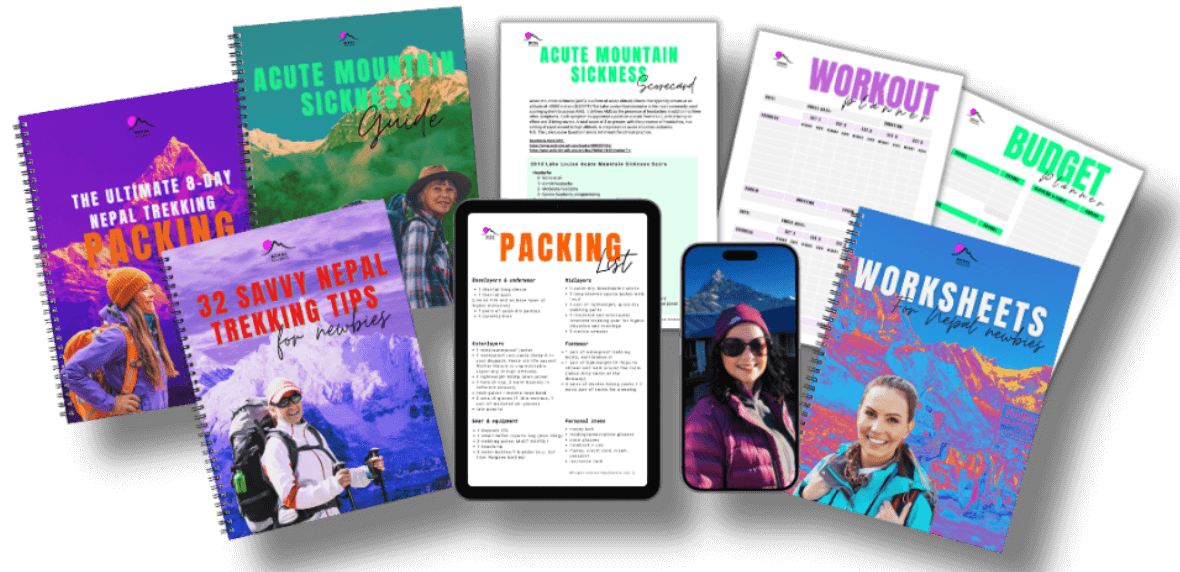
NEW: THE NEPAL STARTER KIT.
YOUR TURN: Any thoughts, advice, experiences, questions? Share in the comments.
Leave a Reply
Grab My Nepal Starter Kit.

PREPARE FOR YOUR NEPAL TREK THE SMART WAY! Everything I wish I'd had before my first trek: checklists, worksheets and honest tips. Free!
Copyright ©Nepalnewbies.com All Rights Reserved.
The Nepal trekking blog for beginners who want the real story. First-hand experience from a fifty-something beginner, honest tips and practical guides for your first trek in Nepal. Squat toilets included. No sugar-coating.
Copyright © YourCompany. All Rights Reserved
7 replies to "Essential Hiking Techniques for Beginners: How to prepare for your first Trekking in Nepal"
[…] Essential Hiking Techniques for Beginners: How to prepare for your first Trekking in Nepal […]
[…] Essential Hiking Techniques for Beginners: How to prepare for your first Trekking in Nepal […]
[…] Essential Hiking Techniques for Beginners: How to prepare for your first Trekking in Nepal […]
[…] Essential Hiking Techniques for Beginners: How to prepare for your first Trekking in Nepal […]
[…] Essential Hiking Techniques for Beginners: How to prepare for your first Trekking in Nepal […]
[…] Essential Hiking Techniques for Beginners: How to prepare for your first Trekking in Nepal […]
[…] Essential Hiking Techniques for Beginners: How to prepare for your first Trekking in Nepal […]