
Published August 25th, 2024 in TREKKING.
Annapurna I: Trekking to the Base Camp of One of the World’s Toughest Peaks.

By Sandra · Founder of Nepalnewbies.com, first-time Himalayan trekker (Mardi Himal Base Camp, 2024)
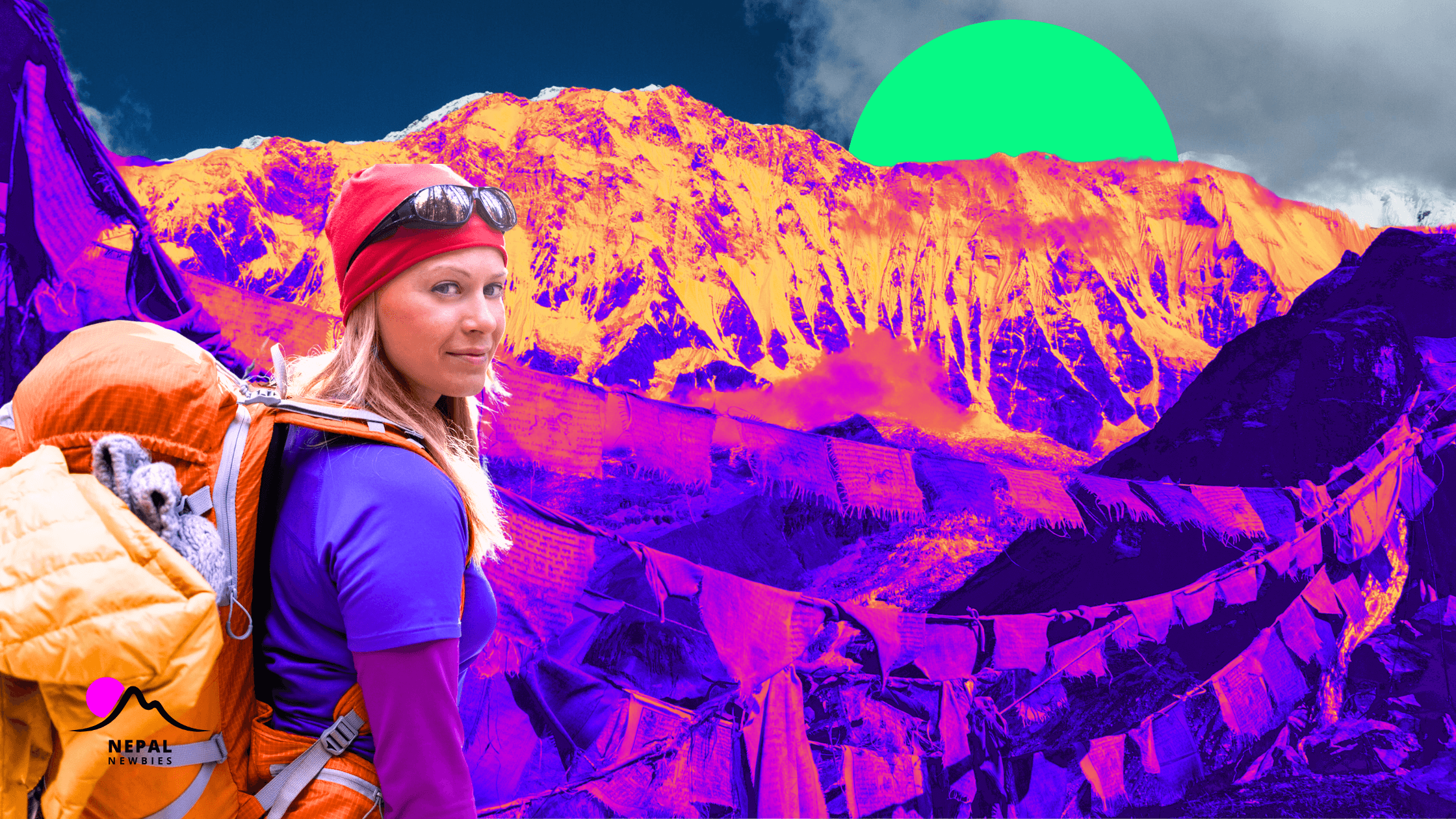
The Annapurna Base Camp trek (ABC trek) is a go-to for beginner hikers. Whether you’re totally new to high-altitude trekking or have a bit of experience with easier trails, the ABC trek is a solid choice. It takes you right to the base camp, where climbers start their journey to summit Annapurna I, the 10th-highest mountain in the world. Let’s dive into the rich culture around Annapurna I and go over what you need to know for hiking to its base camp. Also: which one trek is better for beginners, ABC or EBC trek?
History and significance of Annapurna One
Annapurna One, standing tall at 8,091 meters (26,545 feet), is a testament to the grandeur of the Himalayas. Annapurna I is the highest peak in a collection of six summits: Annapurna I – IV, Annapurna South, and Gangapurna. All these peaks are below the 8000m mark, except for Annapurna I, which exceeds it.
Provider of spiritual nourishment
The name "Annapurna" comes from the Sanskrit words "anna," meaning "food," and "purna," meaning "full" or "complete." This reflects the mountain's significance as a source of sustenance and life for local communities. The Nepalese people consider this mountain a provider of spiritual and physical nourishment.
The first 8,000-meter peak to be summited
In 1950, a group of French climbers led by Maurice Herzog and Louis Lachenal made history by being the first to conquer Annapurna One. This was a big deal in the world of mountain climbing because Annapurna One was the first 8,000-meter peak to be summited. The climbers faced harsh conditions and severe frostbite, including losing some toes and fingers, but they made it to the top. This feat secured Annapurna One's reputation as one of the world's most sought-after and challenging peaks.
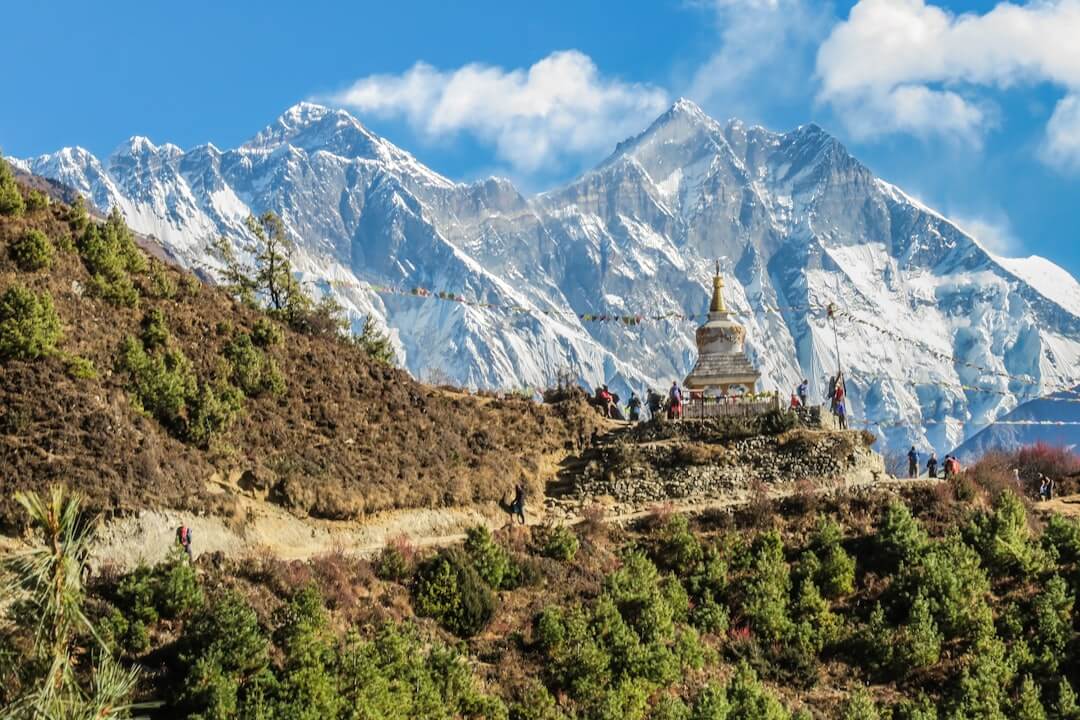
Trekking routes and trails in Annapurna One
The Annapurna region is famous for its diverse and stunning trekking routes, each with its own charm and challenges. One of the most popular treks in the area is the Annapurna Base Camp trek, which takes you through the heart of the Annapurna massif.
Prepare for Your Nepal Trek the Easy Way –
Get the Ultimate NEPAL Starter Kit.
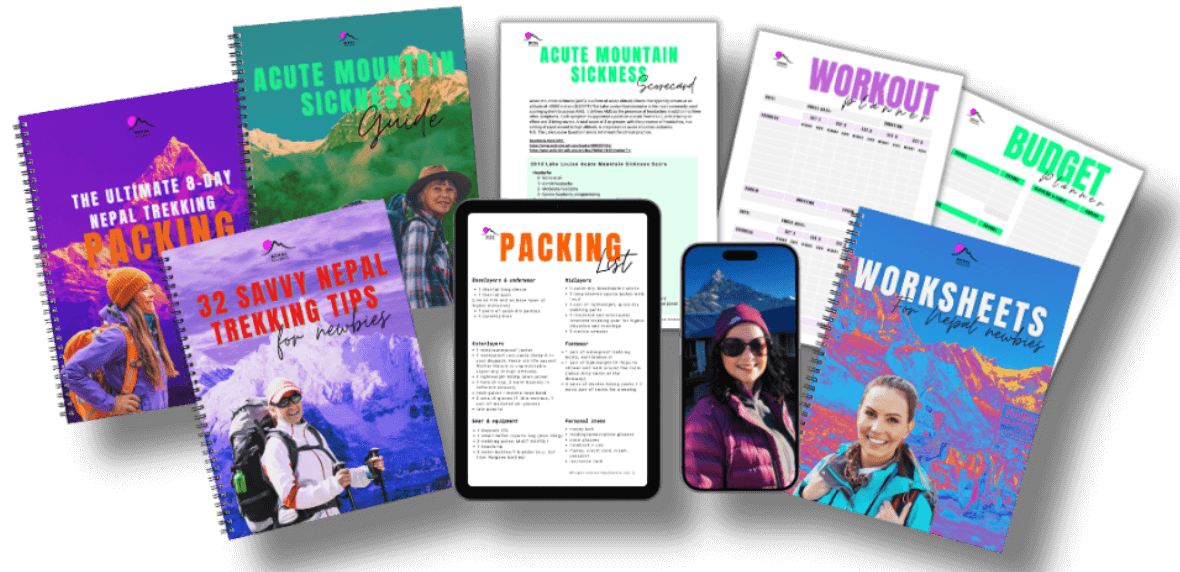
NEW: Grab my complete Starter Kit packed with gear lists, handy guides, worksheets, and insider tips for trekking smart in Nepal!
Annapurna Base Camp Trek
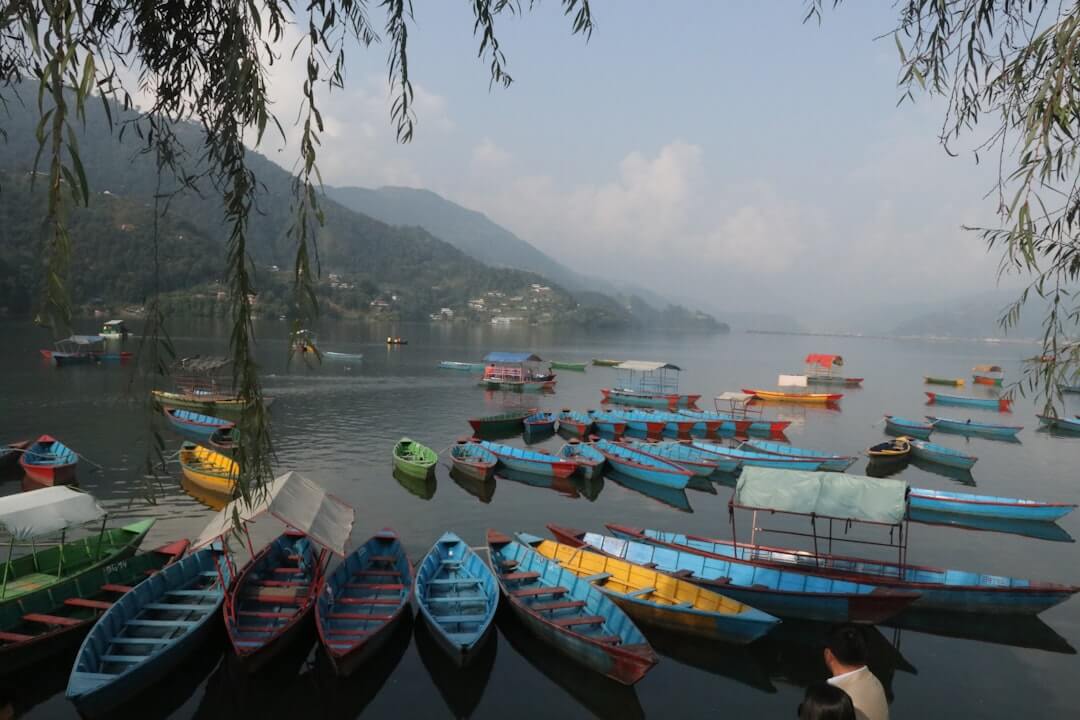
The Annapurna Base Camp (ABC) trek starts in Pokhara, a bustling spot for outdoor lovers and the starting point for adventures in the Annapurna region. Typically you take a taxi or bus to one of the starting points of the trek. You then walk through lush forests, stunning waterfalls, and charming Gurung villages, soaking in epic views of the towering peaks along the journey.
As the trek progresses, the landscape becomes more rugged, and the air grows thinner. The trail leads trekkers through the Annapurna Conservation Area, a protected region home to diverse flora and fauna.
The final stretch of the trek takes hikers to the Annapurna Base Camp, a stunning viewpoint that offers a panoramic vista of the Annapurna massif, including the towering summit of Annapurna One.
Annapurna Circuit Trek
In addition to the Annapurna Base Camp trek, several other trekking routes in the region offer unique experiences and challenges. The Annapurna Circuit, for example, is a renowned but challenging trek that circumnavigates the entire Annapurna massif.
This trek typically takes around 12 to 21 days to complete, depending on the specific route you take and your pace. It covers a distance of approximately 160 to 230 kilometers (about 100 to 145 miles) and includes varied terrain and high-altitude crossings.
The Annapurna Circuit Trek is not ideal for beginner hikers, because of its length and altitude, posing physical challenges for newbies. Also, the trek involves navigating steep, rocky terrain and dealing with unpredictable weather conditions, which can overwhelm inexperienced trekkers. The ABC trek is relatively less demanding and therefore more suitable for beginner trekkers.
You can read more about my desktop review of the Annapurna Circuit Trek in this post: Is the Annapurna Circuit Trek Suitable for Beginners? A Complete Guide for First-Time Hikers.
Difficulty level Annapurna Base Camp trek
The Annapurna Base Camp (ABC) Trek is generally considered a moderate trek in terms of difficulty. It doesn't require technical climbing / hiking skills, but it does involve long days of walking, steep ascents and descents, and high-altitude trekking.
It is considered to be one of the more strenuous treks in the Annapurna region, with a total elevation gain of over 4,000 meters (13,123 feet) and numerous high-altitude passes to navigate.
Factors affecting difficulty
1. Duration & Distance – The trek typically takes 6-12 days, covering around 70-115 km (43-71 miles) depending on the route taken.
2. Altitude – The highest end-point is 4,130m (13,550 ft).
In addition to the physical demands of the trek, trekkers must also be prepared to deal with the potential effects of high-altitude exposure, including altitude sickness, fatigue, and dehydration. Proper acclimatization is crucial, and trekkers should be well-versed in the symptoms and management of altitude-related illnesses.
3. Terrain – Trails include stone steps, suspension bridges, forested paths, and rocky sections. Some areas may have snow and ice in winter. Trekkers must be prepared to ascend steep, rugged terrain for extended periods, often in thin air and challenging weather conditions.
4. Weather Conditions – The difficulty increases in winter (Dec-Feb) due to snow and in monsoon (Jun-Sep/Oct) due to heavy rain and landslides. The best seasons are spring (Mar-May) and autumn (Oct-Nov).
5. Daily Walking Hours – Trekkers walk 5-7 hours per day, with some steep climbs, especially in sections like Chomrong and Bamboo.
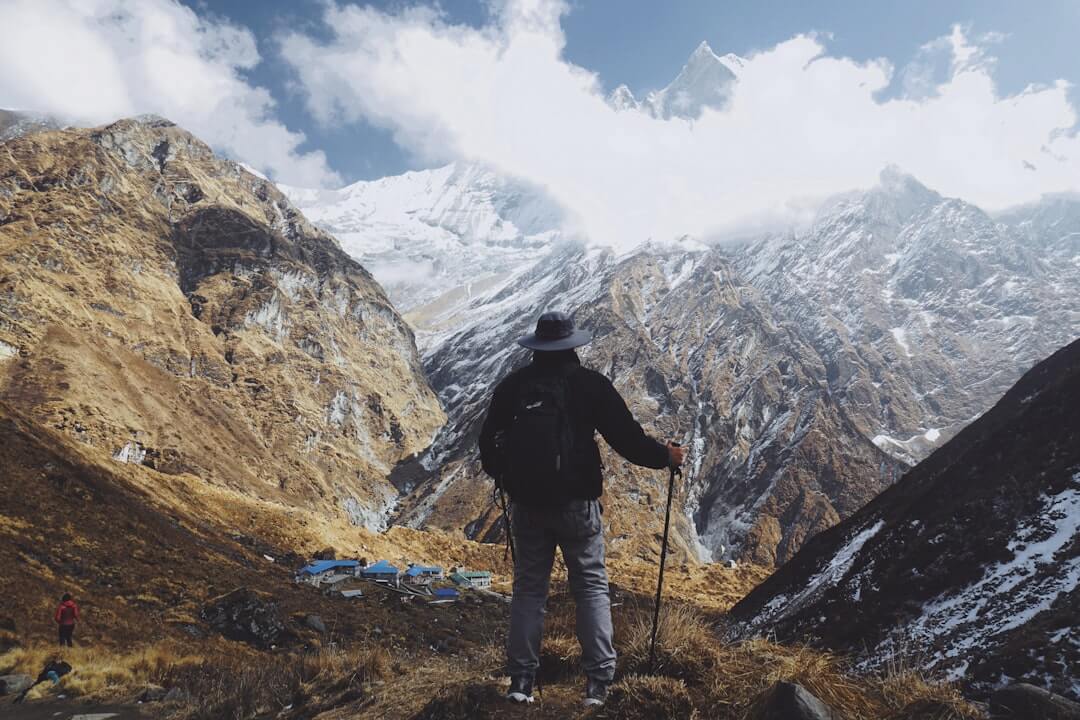
The shortest ABC Trek itinerary.
The shortest route to Annapurna Base Camp (ABC) starts from Phedi, which is a popular starting point for trekkers looking to minimize the distance. You go from Pokhara to Phedi by car. From Phedi, you'll trek through Dhampus and then follow the standard ABC trail.
Shortest Route to ABC from Phedi:
- Starting Point: Phedi (1,060m / 3,478ft)
- Ending Point: Annapurna Base Camp (4,130m / 13,550ft)
Day-by-Day Overview for the Shortest Route:
Day 1: Phedi to Dhampus – 5-6 km (3-4 miles)
Day 2: Dhampus to Australian Camp to Landruk – 10 km (6 miles)
Day 3: Landruk to Chhomrong – 7 km (4.5 miles)
Day 4: Chhomrong to Dovan – 9 km (5.5 miles)
Day 5: Dovan to Deurali – 7 km (4 miles)
Day 6: Deurali to Annapurna Base Camp – 7 km (4.5 miles)
Day 7: Annapurna Base Camp to Bamboo – 12 km (7.5 miles)
Day 8: Bamboo to Jhinu Danda – 10 km (6 miles)
Day 9: Jhinu Danda to Nayapul – 14 km (8.5 miles)
Day 10: Drive from Nayapul to Pokhara
Total Distance (Round Trip)
Approximate total distance: 80-85 km (50-53 miles) round trip
The round trip from Phedi to ABC and back to Nayapul covers about 80-85 kilometers (50-53 miles).
Elevation Gain
Maximum Elevation: Annapurna Base Camp (4,130m / 13,550ft)
The total elevation gain for this route is still about 3,310 meters (10,860 feet) as you’re reaching ABC itself, but since you're starting from a higher point than the traditional starting point of Nayapul, the total distance is shorter.
Summary ABC Trek:
- Shortest Route: Starts from Phedi.
- Total Distance (Round Trip): 80-85 km (50-53 miles).
- Elevation Gain: ~3,310 meters (10,860 feet).
This shorter route avoids the longer approach from Nayapul, so it’s a great option if you want to minimize the trek distance while still reaching Annapurna Base Camp.
Who can do it?
ABC sounds OK, doesn't it? I think that the ABC trek is suitable for beginners, be it for those with good to excellent fitness. Prior trekking experience helps, but is not mandatory.
To prepare for the Annapurna Base Camp trek, it's obviously recommended to engage in a rigorous training regimen that includes cardiovascular exercises, strength training, and high-altitude simulations.
Proper gear, including sturdy hiking boots, warm clothing, and high-quality trekking equipment, is also essential for a successful and safe journey.
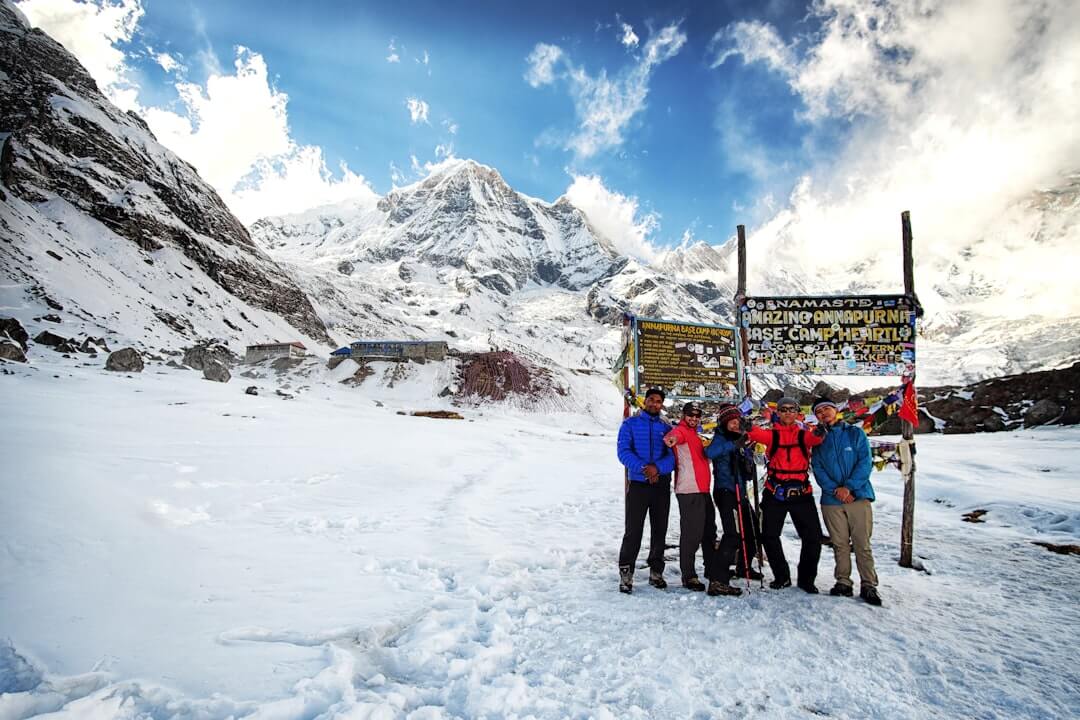
Difference between Annapurna Base Camp and Everest Base Camp trek
If you're thinking about the Annapurna Base Camp trek, you’ve probably also wondered if the Everest Base Camp trek would be doable. I know I did! I found out that there are a few key differences between the two that can really help you decide which one’s right for you.
When comparing the Annapurna Base Camp (ABC) Trek to the Everest Base Camp (EBC) Trek, there are some key differences in terms of difficulty, elevation, and overall experience. Here's how the two treks are rated in comparison:
1. Difficulty
ABC Trek:
Difficulty Rating: Moderate
The ABC trek is considered moderate in terms of difficulty. While it does involve some steep ascents, the trail is generally well-marked, and the elevation gain is more gradual. It’s suitable for beginners with a reasonable level of fitness and acclimatization.
EBC Trek:
Difficulty Rating: Moderate to Challenging
The EBC trek is often considered more challenging than ABC, particularly due to the higher altitude and the steeper terrain in parts of the trek. The trail involves more substantial altitude gains, and you need to be mindful of acclimatization due to the high-altitude environment.
2. Maximum Altitude
ABC Trek:
Highest Point: Annapurna Base Camp (4,130 meters / 13,550 feet)
The maximum altitude is 4,130 meters, which is challenging for some but still lower than EBC. Altitude sickness is still a concern, but the gradual ascent and availability of rest stops make it easier to manage for most people.
EBC Trek:
Highest Point: Everest Base Camp (5,364 meters / 17,598 feet)
The EBC trek reaches a higher altitude than the ABC trek, so the risk of altitude sickness is a bigger concern. Trekking to 5,364 meters means you’ll need a bit more acclimatization and care with altitude management.
3. Trek Duration
ABC Trek:
Duration: Typically 7-10 days
The ABC trek is usually shorter and can be completed within a week, making it a great choice if you're looking for a trek that's manageable in a shorter time frame.
EBC Trek:
Duration: Typically 12-14 days
The EBC trek is a bit longer due to the greater distance and additional days needed for proper acclimatization. You’ll need more time, especially since it involves more vertical ascent to get to the higher altitude.
4. Acclimatization Needs
ABC Trek:
Acclimatization is still important, but the lower maximum altitude means you typically don’t need as many acclimatization days. The trekking days are spread out in a way that allows you to gradually get used to the altitude.
EBC Trek:
Acclimatization is critical on the EBC trek because of the much higher altitude. The trek usually includes more rest days to help your body adjust, especially as you get closer to Everest Base Camp.
5. Scenery
ABC Trek:
The Annapurna region offers stunning views of the Annapurna massif, Machapuchare (Fishtail), Hiunchuli, and many other peaks. You’ll walk through lush forests, rhododendron forests, and charming villages, with a variety of landscapes.
EBC Trek:
The Everest region offers iconic views of Mount Everest, Lhotse, Makalu, and Nuptse. The trek also gives you a chance to explore the Sherpa culture, with stops in villages like Namche Bazaar and Tengboche. The landscape is more rugged and often feels more remote than the ABC trek.
6. Trail Crowds
ABC Trek:
The ABC trek, although popular, is generally less crowded than the EBC trek. You’ll still encounter other trekkers, but it’s possible to enjoy some peace and quiet on certain parts of the trail.
EBC Trek:
The EBC trek is one of the most popular treks in the world, which means it can get quite crowded at times, particularly during peak trekking seasons (autumn and spring). There’s a lot more foot traffic, especially around major stops like Namche Bazaar and Everest Base Camp.
7. Cost
ABC Trek:
The ABC trek tends to be a bit cheaper than the EBC trek. The overall trek is shorter, and the cost of flights, permits, and lodging in the Annapurna region is typically lower than the Everest region.
EBC Trek:
The EBC trek can be more expensive due to the longer duration, the cost of flights to Lukla (a special flight to get into the Everest region), and the higher cost of services in the more remote Everest region.
Which One Should You Choose?
If you're a beginner or looking for a shorter, moderate trek, the ABC trek might be more suitable. If you want to experience the iconic Everest region and are prepared for a more challenging trek, the EBC trek is an option, but there are more beginner-friendly treks (think of Everest View Trek or check out Ama Dablam Base Camp Trek).
Both ABC and EBC treks offer incredible experiences, but the EBC trek is definitely more demanding, especially due to the altitude. If you're wondering which one suits you better, consider your fitness level, the time you have available, and your tolerance for higher altitudes.
Safety precautions and tips for trekking to Annapurna One
Trekking in the Annapurna region, including the trek to Annapurna Base Camp, requires a good preparation, especially when you're a beginner trekker with little high-mountain trekking experience. What are the challenges?
Altitude sickness
One of the most important safety considerations when trekking in the Annapurna region is the risk of altitude sickness. As you ascend to higher elevations, the air becomes thinner, and the body's ability to absorb oxygen is reduced. This can lead to a range of altitude-related illnesses, such as acute mountain sickness (AMS).
The advice is to follow a gradual ascent schedule to reduce the risk of altitude sickness and allow their bodies to acclimate to the changing conditions. This may involve taking rest days and following the recommended guidelines for ascent rates. You should also be aware of the symptoms of altitude sickness and be prepared to descend to lower elevations if necessary.
Check out the official Acute Mountain Sickness checklist in the free Nepal Starter Kit!
Prepare for Your Nepal Trek the Easy Way –
Get the Ultimate NEPAL Starter Kit.
NEW: Grab my complete Starter Kit packed with gear lists, handy guides, worksheets, and insider tips for trekking smart in Nepal!
Injuries and accidents
Another important safety consideration is the risk of injuries and accidents, particularly on the steep and rugged terrain. You should also be aware of the potential hazards, such as loose rocks, or slippery trails. Sturdy, well-fitting hiking boots, appropriate clothing, and other essential gear like good quality trekking poles to protect you from the elements are essential.
Landslides and other natural disasters
Besides keeping safe physically, trekkers in the Annapurna region must be aware of the potential for natural disasters, like landslides, avalanches, and earthquakes, which can be a real threat in Nepal. Make sure to stay updated on the weather and any safety alerts, and be ready to change your plans or find somewhere safe if you need to.
Conclusion
Catching a glimpse of Annapurna I, with its 8,091 meters the 10-highest mountain in the world, is nothing short of a dream. The Annapurna Base Camp (ABC) trek gives you an awesome chance to stand right in the middle of the Annapurna Sanctuary, a natural amphitheater surrounded by tall, snow-covered peaks.
The base camp is situated right in that amphitheater where you can see the mighty Annapurna I towering in front of you, glowing in golden light at sunrise and sunset. It doesn't get better than that!
If you're after adventure and some spiritual vibes, the ABC trek is an unforgettable journey that is perfectly suitable for beginner trekkers... with a good fitness.
YOUR TURN: Any thoughts, advice, experiences, questions? Share in the comments.
PREPARE FOR YOUR NEPAL TREK THE SMART WAY!
Everything I wish I'd had before my first trek: checklists, worksheets and honest tips. Free!

Hey there, I'm Sandra!
Life coach, mountain lover and proud Nepal newbie. I did my first trek in Nepal in my fifties, and it changed everything. Nothing grounds you like standing among those Himalayan giants.
On the trail, I learned the hard way that it's as much a mental game as a physical one. So I started Nepalnewbies.com to give beginners like us the honest advice I wish I'd had. No sugar-coating.
👉 READ MY STORY
Popular posts
What I found out, no sugar-coating, about what 17,598 ft (5,364 m) asks of you.
I made it to base camp, but my prep wasn't even close. Learn from my mistakes.

Here's what using a toilet is really like on a trek, and 10 tips to make it a lot less awkward.
NEW: THE NEPAL STARTER KIT.
Grab My Nepal Starter Kit.

PREPARE FOR YOUR NEPAL TREK THE SMART WAY! Everything I wish I'd had before my first trek: checklists, worksheets and honest tips. Free!
Copyright ©Nepalnewbies.com All Rights Reserved.
The Nepal trekking blog for beginners who want the real story. First-hand experience from a fifty-something beginner, honest tips and practical guides for your first trek in Nepal. Squat toilets included. No sugar-coating.
Copyright © YourCompany. All Rights Reserved