
Published August 25th, 2024 in TREKKING.
Mardi Himal Base Camp for Beginners: My Honest Guide.

By Sandra · Founder of Nepalnewbies.com, first-time Himalayan trekker (Mardi Himal Base Camp, 2024)

When we first decided to hike in Nepal, I was pretty nervous—it’s a huge adventure hiking in the Himalayas! But the Mardi Himal Base Camp trek ended up being the perfect pick for us beginners. The views were unreal, the trail via the exposed mountain ridge to Mardi base camp was doable for us. So we had an absolute blast. In this article, I’ll share everything we learned to help you prep for your own adventure!
Best kept secret
If you're looking for an absolutely epic beginner-friendly trek, then Mardi Himal Base camp trek should definitely be on your radar. Tucked away in the Annapurna region of Nepal, Mardi Himal is kind of a best kept secret. But the trail offers a captivating experience for adventurous souls seeking a less crowded and off-the-beaten-path trekking adventure that is not too exhausting or difficult. I was stoked I discovered this relatively unknown (among the tourist crowd) trek!
But don't let its relative obscurity fool you – Mardi Himal is definitely not for the faint of heart. This challenging trek, generally rated as moderate to difficult, does require a good level of fitness and stamina. It rewards those who dare to venture with unforgettable memories and a sense of accomplishment.
Location and accessibility of Mardi Himal
Nestled in the heart of the Annapurna range, Mardi Himal is a relatively lesser-known trekking destination in Nepal. This hidden gem is located in the Kaski district, approximately 220 kilometers west of Kathmandu, the capital city. The starting point of the Mardi Himal trek is the town of Pokhara, a popular tourist hub known for its serene lakes, vibrant markets, and stunning vistas of the Annapurna massif.
Reaching Mardi Himal involves a combination of transportation methods. Most trekkers begin their journey by flying or taking a bus from Kathmandu to Pokhara, which we did. It takes around 6-8 hours, depending on the mode of transport. From Pokhara, the trek to Mardi Himal trailhead at Kande or Dhampus can be accessed by a short drive or a scenic hike through the surrounding hills. The trek itself typically takes around 6-8 days (anything shorter def not recommended if you're not acclimatized to altitude!) to reach the highest viewpoint or Mardi Himal Base Camp itself, depending on the chosen itinerary and the trekker's pace.
Despite its relative remoteness, Mardi Himal is well-connected to the local infrastructure, with several established trails, guesthouses, and teahouses along the way. The trek is considered moderately challenging and suitable for adventurous travelers with good physical fitness and prior trekking experience. Mardi Himal's accessibility, coupled with its stunning natural beauty, makes it an increasingly popular choice for those seeking a more off-the-beaten-path Himalayan adventure.
Jungle forest, alpine meadows and snowy ridge
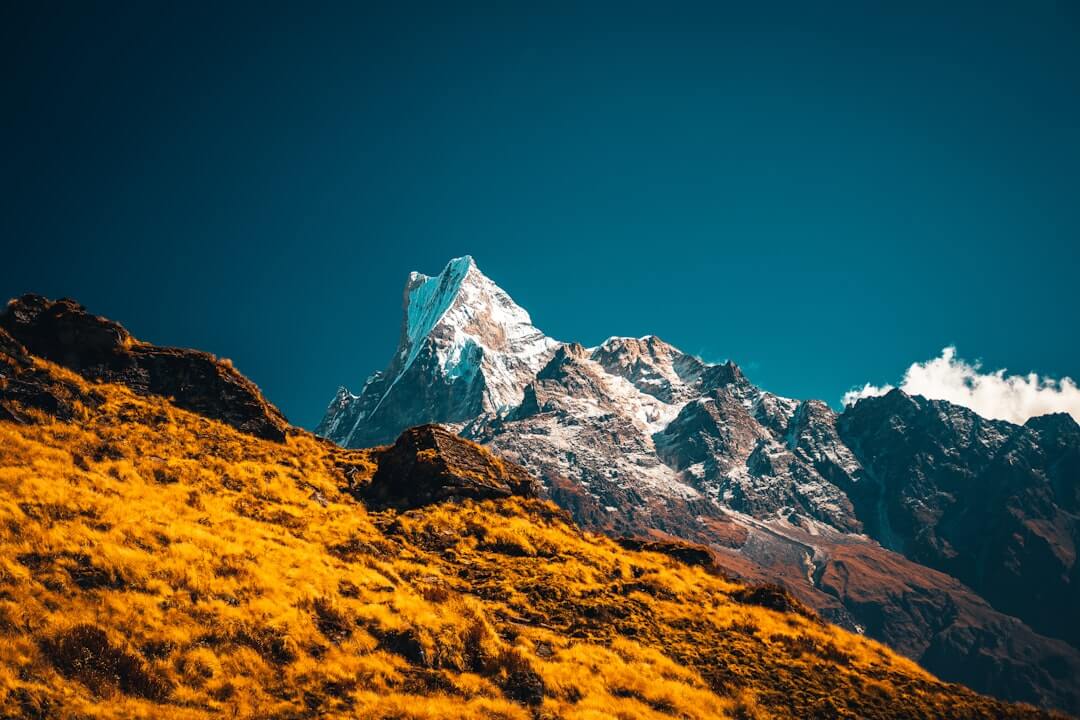
One of the primary draws of the Mardi Himal trek is its stunning natural scenery, which offers a unique perspective on the Annapurna range. As you ascend through the lush forests and alpine meadows, you'll be treated to breathtaking panoramic views of the snow-capped peaks, including the iconic Machhapuchhre (Fish Tail) and the Annapurna massif.
Prepare for Your Nepal Trek the Easy Way –
Get the Ultimate NEPAL Starter Kit.
NEW: Grab my complete Starter Kit packed with gear lists, handy guides, worksheets, and insider tips for trekking smart in Nepal!
Trekking routes and itineraries for Mardi Himal
The most popular and well-established route is the Mardi Himal View Point Trek which typically takes 4-6 days to complete. Most people make it to the Upper Viewpoint at 3,200m, watch the sunset and go down again. But the die-hards walk along an exposed, snowy mountain ridge all the way to Mardi Himal Base Camp. This base camp is situated at an elevation of approximately 4,500 meters (14,760 feet), offering a breathtaking panorama of the Annapurna range in complete silence.
The Mardi Himal Base Camp trek begins at the trailhead in Kande or Dhampus, where trekkers gradually ascend through lush forests and charming villages. Along the way, they pass through the settlements of Pothana, Pitam Deurali, and Forest Camp, enjoying stunning views of the surrounding peaks and valleys.
Best time to visit Mardi Himal
The optimal time to visit Mardi Himal depends largely on the weather and climatic conditions, as well as your personal preferences. Generally, the best seasons for the Mardi Himal trek are spring (March to May) and autumn (October to November).
The weather is mild and stable during the spring, with clear skies and moderate temperatures. This is a particularly stunning time to visit, as the rhododendron forests come alive with vibrant blooms, adding a splash of color to the already breathtaking landscape.
The autumn season is another popular time for the Mardi Himal trek, as the weather is typically dry and stable, with clear views of the mountains. The temperatures are cooler, making the trekking conditions more comfortable, and the autumn foliage adds a beautiful golden hue to the surroundings.
Both seasons also offer the opportunity to witness the local festivals and cultural events that take place in Kathmandu and Pokhara prior to the trek.

Permits and regulations for trekking in Mardi Himal
Trekking in Mardi Himal, like most areas in the Annapurna region of Nepal, requires specific permits and regulations to be observed. The primary permit needed for the Mardi Himal trek is the Annapurna Conservation Area Permit (ACAP), issued by the Annapurna Conservation Area Project.
The ACAP permit is mandatory for all trekkers entering the Annapurna Conservation Area, which encompasses the Mardi Himal region. This permit allows you to access the trekking trails and contributes to the conservation efforts and sustainable development of the local communities. The permit can be obtained in Pokhara or Kathmandu before the start of the trek. You will need to provide some personal details and pay a fee, which varies depending on the season and your nationality.
In addition to the ACAP permit, trekkers may also need to obtain a Trekkers' Information Management System (TIMS) card, a registration system that helps the authorities keep track of trekkers in the region. The TIMS card is available through authorized trekking agencies or at the Nepal Tourism Board offices in Kathmandu and Pokhara.
Essential gear for the Mardi Himal trek
Trekking in the Himalayas requires a carefully curated selection of gear and equipment to ensure a comfortable and safe experience. When preparing for the Mardi Himal trek, it's essential to consider the varying weather conditions, terrain, and altitude that you'll encounter along the way.
A high-quality, waterproof, breathable hiking backpack is one of the most essential items to pack. This will be your primary carrier for all your important items, including clothing, food, and personal items. A good pair of well-broken-in hiking boots with sturdy soles and ankle support is also crucial, as the trek involves navigating uneven terrain and steep ascents.
Layered clothing is vital for the Mardi Himal trek, as the temperatures can fluctuate significantly throughout the day. Pack a base layer of thermal underwear, a mid-layer of insulating clothing (such as a fleece jacket), and a waterproof and windproof outer shell. Don't forget to pack a warm hat, gloves, and a buff or scarf to protect yourself from the colder temperatures at higher elevations.
Accommodation and food options during the trek
As you trek through the Mardi Himal region, you'll experience traditional Nepalese mountain hospitality in guesthouses and teahouses along the way. These simple yet comfortable accommodations provide a warm and welcoming respite from the day's exertions.
The guesthouses and teahouses on the Mardi Himal trek are typically basic, offering dormitory-style sleeping arrangements and shared bathroom facilities. However, they provide a cozy and authentic atmosphere, allowing you to immerse yourself in the local culture and interact with fellow trekkers. Many of these establishments also offer simple yet delicious Nepali-style meals, such as dal (lentil stew), rice, vegetable curries, and Western-style dishes to cater to various dietary preferences.
As you ascend to higher elevations, the accommodation options become more limited, with basic teahouses and campsites being the primary choices. These higher-altitude lodgings may have more basic amenities. Still, they offer unparalleled views of the surrounding peaks and a true sense of being in the heart of the Himalayas.

Safety tips and precautions for the Mardi Himal trek
Trekking in the Himalayan region, including the Mardi Himal trek, requires a certain level of preparation and vigilance to ensure a safe and enjoyable experience. It's essential to be aware of the potential hazards and take the necessary precautions to minimize them.
One of the primary concerns when trekking at high altitudes is the risk of altitude sickness. Symptoms can range from headaches and nausea to more severe conditions like pulmonary or cerebral edema. To mitigate this risk, it's crucial to acclimatize appropriately, ascend gradually, and be aware of the signs and symptoms of altitude sickness. Trekkers should also carry and know how to use emergency oxygen and other first-aid supplies.
Another important safety consideration is the weather, which can be unpredictable and harsh in the Himalayas. Trekkers should be prepared for sudden temperature, precipitation, and wind changes and pack the appropriate gear to keep themselves dry and warm. It's also crucial to stay hydrated and maintain a balanced diet to maintain energy levels and overall health during the trek.
Conclusion and final thoughts on the Mardi Himal trek
The Mardi Himal trek is a true hidden gem in the heart of the Himalayas. It offers a captivating, off-the-beaten-path adventure for those seeking a more authentic and less crowded trekking experience. With its stunning natural scenery, rich cultural heritage, and challenging yet rewarding trails, Mardi Himal is a destination that should be on the radar of any seasoned or aspiring trekker.
While the trek may not be as well-known as its more famous counterparts, such as the Annapurna Circuit or the Everest Base Camp trek, it more than makes up for it with its unique charm and breathtaking vistas. From the lush rhododendron forests to the awe-inspiring views of the Annapurna range, Mardi Himal is a true gem waiting to be discovered by those willing to venture off the beaten path.
Whether you're a seasoned trekker or a newbie to the Himalayan adventure, the Mardi Himal trek is a journey that will leave a lasting impression on your heart and mind. So pack your bags, lace up your hiking boots, and embark on an unforgettable trip to the hidden gem of the Himalayas – Mardi Himal.
PRO TIP There are several trekking routes and itineraries available for the Mardi Himal, each offering a unique perspective and level of challenge. The most popular and well-established route is the Mardi Himal Base Camp trek, which typically takes 6-8 days to complete by beginner hikers/trekkers.
YOUR TURN: Any thoughts, advice, experiences, questions? Share in the comments.
Leave a Reply
PREPARE FOR YOUR NEPAL TREK THE SMART WAY!
Everything I wish I'd had before my first trek: checklists, worksheets and honest tips. Free!

Hey there, I'm Sandra!
Life coach, mountain lover and proud Nepal newbie. I did my first trek in Nepal in my fifties, and it changed everything. Nothing grounds you like standing among those Himalayan giants.
On the trail, I learned the hard way that it's as much a mental game as a physical one. So I started Nepalnewbies.com to give beginners like us the honest advice I wish I'd had. No sugar-coating.
👉 READ MY STORY
Popular posts

What I found out, no sugar-coating, about what 17,598 ft (5,364 m) asks of you.

I made it to base camp, but my prep wasn't even close. Learn from my mistakes.

Here's what using a toilet is really like on a trek, and 10 tips to make it a lot less awkward.
NEW: THE NEPAL STARTER KIT.
Grab My Nepal Starter Kit.

PREPARE FOR YOUR NEPAL TREK THE SMART WAY! Everything I wish I'd had before my first trek: checklists, worksheets and honest tips. Free!
Copyright ©Nepalnewbies.com All Rights Reserved.
The Nepal trekking blog for beginners who want the real story. First-hand experience from a fifty-something beginner, honest tips and practical guides for your first trek in Nepal. Squat toilets included. No sugar-coating.
Copyright © YourCompany. All Rights Reserved
8 replies to "Mardi Himal Base Camp for Beginners: My Honest Guide"
[…] Mardi Himal Base Camp Trek for Beginners: A Complete Guide to Nepal’s Best Introductory Hike […]
[…] Mardi Himal Base Camp Trek for Beginners: A Complete Guide to Nepal’s Best Introductory Hike […]
[…] Mardi Himal Base Camp Trek for Beginners: A Complete Guide to Nepal’s Best Introductory Hike […]
[…] Mardi Himal Base Camp Trek for Beginners: A Complete Guide to Nepal’s Best Introductory Hike […]
[…] Mardi Himal Base Camp Trek for Beginners: A Complete Guide to Nepal’s Best Introductory Hike […]
[…] Mardi Himal Base Camp for Beginners: My Honest Guide […]
[…] Mardi Himal Base Camp for Beginners: My Honest Guide […]
[…] Mardi Himal Base Camp for Beginners: My Honest Guide […]