
Published March 19, 2025 in TREKKING.

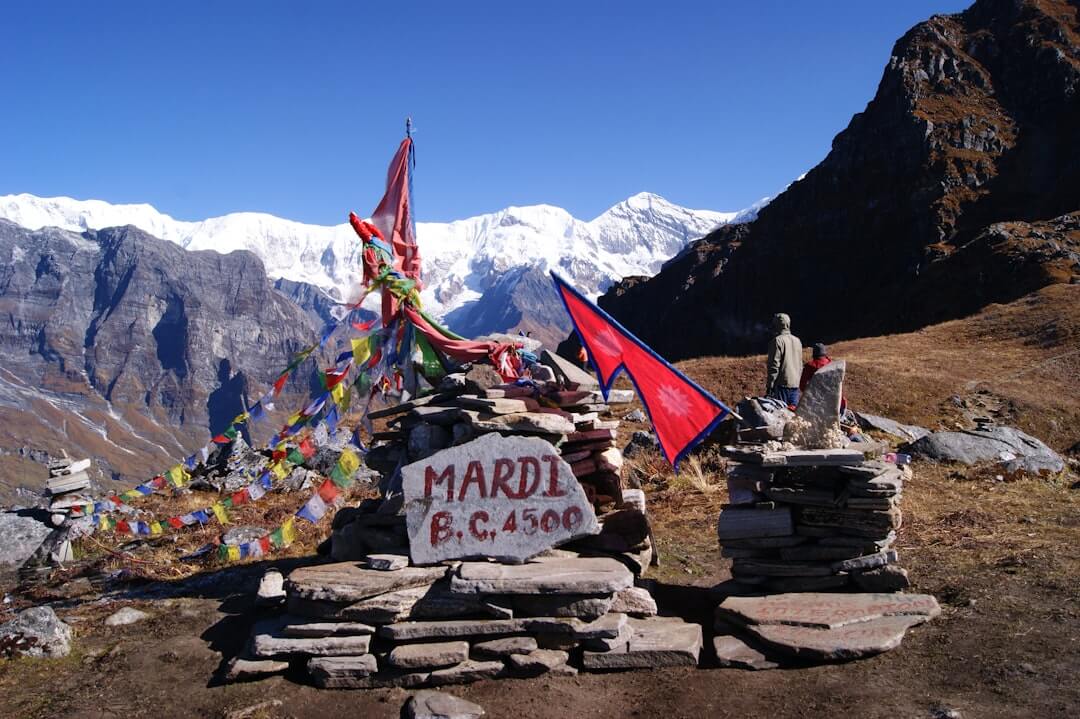
By Sandra · Founder of Nepalnewbies.com, first-time Himalayan trekker (Mardi Himal Base Camp, 2024)
7 Effective Ways to Prevent Altitude Sickness and Enjoy Your High Altitude Trek in Nepal.

I remember the worry that kept me up at night before my trek—altitude sickness. The thought of it ruining my dream adventure, letting down my travel buddy, and worst of all, possibly ending up in a hospital in Nepal or worse, made my heart race.
If you have a family waiting for you at home, kids who depend on you, it hits differently. You realize just how much you have to lose. I learned so much from doing my own research and applying what I found to my trek.
That’s why I’m sharing these tips—so you don’t have to worry about missing out on your trek or compromising your health. I want you to stay safe, healthy, and fully enjoy the beauty of Nepal’s peaks, without the stress of altitude sickness hanging over you.
What is Altitude Sickness?
Altitude sickness can occur when you ascend to high altitudes too quickly. The lack of oxygen at higher elevations can cause a range of symptoms collectively known as acute mountain sickness (AMS). In severe cases, altitude sickness can progress to more serious conditions such as high-altitude cerebral edema (HACE) or high-altitude pulmonary edema (HAPE), which require immediate medical attention.
Altitude sickness occurs when the body fails to acclimatize properly to the reduced oxygen levels at higher altitudes. It is crucial for us, beginner hikers, to understand the risks of ascending too quickly and recognize the importance of allowing our bodies to adjust gradually to changing altitude.
But good news: by following proper acclimatization techniques and adopting preventive measures, we can significantly reduce the risk of altitude sickness during a high-altitude trek in Nepal.
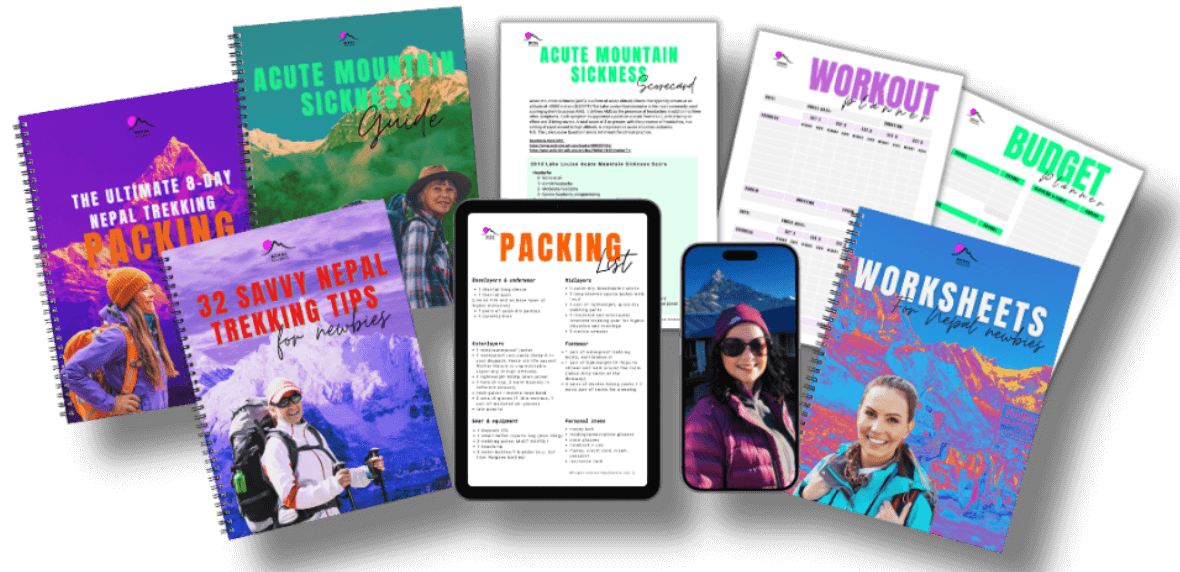
Prepare for Your Nepal Trek the Easy Way –
Get the Ultimate NEPAL Starter Kit.
NEW: Grab my complete Starter Kit packed with gear lists, handy guides, worksheets, and insider tips for trekking smart in Nepal!
Symptoms of Altitude Sickness
Recognizing the symptoms of altitude sickness is essential for early intervention and prevention of further complications. The onset of altitude sickness can vary from person to person, but common symptoms to watch out for include persistent headaches, nausea, vomiting, fatigue, dizziness, loss of appetite, and difficulty sleeping. As you ascend to higher altitudes, pay close attention to any changes in your physical condition and be vigilant for the early signs of AMS.
It's important to note that altitude sickness can affect anyone, regardless of age, gender, or physical fitness level. Even the most experienced trekkers and climbers can fall victim to altitude sickness if they fail to acclimatize properly or ignore the warning signs!
Therefore, staying informed about the symptoms of AMS and taking proactive steps to prevent its onset are key to ensuring a safe and enjoyable high-altitude trek in Nepal.
PRO TIP: Proper acclimatization is the number one preparation needed for high-altitude trekking. There are some official guidelines available. Check them out in our Nepal Starter Kit.
Risk Factors for Altitude Sickness
While altitude sickness can strike anyone going to high altitudes, certain factors may increase an individual's susceptibility to AMS. Factors such as:
- rapid ascent
- inadequate hydration,
- physical exertion,
- alcohol consumption,
- smoking
- underlying medical conditions
can increase the risk of altitude sickness. Additionally, people with a history of altitude sickness or those who have previously experienced AMS are more likely to be affected during future high-altitude treks.
Understanding the risk factors for altitude sickness is crucial for planning a safe and successful trek in Nepal's high mountains. By identifying potential risk factors and proactively addressing them, we can minimize the risk of AMS and maximize our enjoyment of the stunning Nepalese mountains.
Preparing for a High Altitude Trek
The key to preventing altitude sickness begins long before you set foot on the trail in Nepal. Adequate preparation is essential to ensure a safe and enjoyable high-altitude trek.
I'd say start by researching your chosen trekking route, familiarizing yourself with the expected altitudes and terrain, and discussing your itinerary upfront. That's what we did on our first trek in Nepal. We explicitly wanted to follow the golden rule of not sleeping more than 500m above the previous sleep altitude, as of 2800m, to avoid AMS.
Consider scheduling a pre-trek medical consultation with your physician to discuss any pre-existing health conditions and receive personalized advice on preventing altitude sickness and taking medication like Diamox.
In addition to physical preparation, mental readiness is equally important for a successful high-altitude trek. Be mentally prepared for the challenges of trekking at high altitudes. Know your body and accept to slow down, yes, slower than you'd ever think.
Hydration and Nutrition Tips for High Altitude
Proper hydration and nutrition play a critical role in preventing altitude sickness and supporting overall trekking performance at high altitudes. In the thin mountain air, staying well-hydrated is essential to help your body acclimatize effectively and combat the effects of altitude. Carry an adequate supply of water and drink regularly throughout the day to maintain optimal hydration levels.
In addition to hydration, maintaining a balanced diet rich in carbohydrates, proteins, and essential nutrients is vital for sustaining your energy levels during a high-altitude trek. Pack lightweight, nutrient-dense snacks such as nuts, dried fruits, energy bars, and electrolyte-rich beverages to fuel your body and replenish lost nutrients while on the trail. Prioritize whole foods and avoid excessive consumption of processed or high-sugar snacks that may hinder your body's ability to acclimatize to the altitude.
PRO TIP: If you're planning to travel to a high altitude by air or road (e.g. Kathmandu to Lukla = 1400m to 2860m), it's essential to prioritize rest for at least two to three days before your journey. During this time, focus on minimal physical activity and stay well-hydrated by consuming approximately three to five liters of water daily.
Gradual Acclimatization Techniques
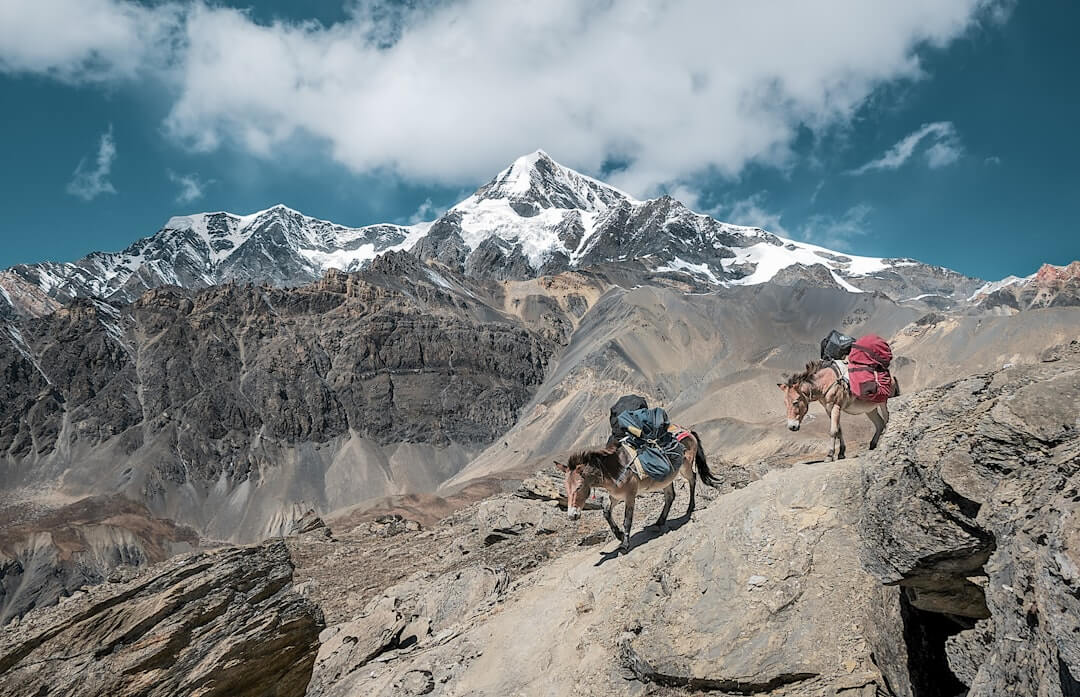
One of the most effective ways to prevent altitude sickness is through gradual acclimatization to higher altitudes. Avoid rapid ascents that can put undue stress on your body and increase the risk of AMS. Instead, plan your trekking itinerary with built-in rest days to allow your body to adjust to the altitude gradually. Climbing high and sleeping low is a proven acclimatization strategy that can help minimize the symptoms of altitude sickness and improve your overall trekking experience.
As you ascend to higher altitudes, listen to your body and pay attention to any signs of altitude sickness. If you experience mild symptoms of AMS, such as headaches or nausea, take a break, hydrate, and allow your body time to rest and recover. It's important not to ignore the warning signs of altitude sickness and to communicate openly with your trekking companions and guides about how you're feeling. Together, you can make informed decisions about when to continue ascending or when to descend to a lower altitude for safety and health reasons.
PRO TIP: It's a good idea to always carry your backpack for survival (never hike without it). Plus, it can help protect your back if you happen to slip while going down.
Deep, rhythmic breathing
Proper breathing is vital in both ascending and descending. Deep, rhythmic breathing helps maintain oxygen levels and reduce fatigue. Practice breathing techniques to stay calm and focused, especially at higher altitudes with thinner air.
Additionally, pay attention to your body's signals and take breaks when needed. Overexertion can lead to injuries and diminish your overall hiking experience.
By mastering the ascending and descending techniques, you'll be better prepared to tackle the challenging terrain of the Nepalese mountains.
Breathing Exercises for Altitude Sickness Prevention
Practicing breathing exercises can help improve oxygenation and lung function at high altitudes, reducing the risk of altitude sickness and enhancing your overall trekking performance. Deep breathing techniques, such as diaphragmatic breathing and pursed-lip breathing, can help increase oxygen intake, improve circulation, and alleviate symptoms of AMS. Incorporate brief breathing exercises into your daily routine during rest breaks or before bedtime to optimize your body's oxygen utilization and enhance acclimatization to the altitude.
In addition to breathing exercises, maintaining proper posture and avoiding shallow breathing patterns can also support respiratory function and reduce the likelihood of developing altitude-related respiratory issues. Stay mindful of your breathing patterns while trekking at high altitudes, and make a conscious effort to breathe deeply and fully to support your body's oxygen delivery system. By incorporating simple breathing exercises into your trekking routine, you can boost your lung capacity, reduce the risk of altitude sickness, and enjoy a more comfortable and fulfilling high-altitude trek in Nepal.
Medications for Altitude Sickness
In some cases, trekkers may require medications to prevent or alleviate the symptoms of altitude sickness during high-altitude treks in Nepal. Common medications used for altitude sickness prevention include acetazolamide (Diamox), dexamethasone, and ibuprofen, which can help improve oxygenation, reduce inflammation, and relieve discomfort associated with AMS. It is essential to consult with a healthcare provider or travel medicine specialist before taking any medications for altitude sickness to ensure they are safe and appropriate for your individual health needs.
While medications can provide symptomatic relief from altitude sickness, they should not be viewed as a substitute for proper acclimatization and preventive measures. Medications should be used in conjunction with acclimatization techniques, hydration strategies, and prudent decision-making while trekking at high altitudes. Be aware of the potential side effects of altitude sickness medications, and follow your healthcare provider's recommended dosage and administration guidelines to minimize risks and maximize the benefits of treatment.
Emergency Response and Evacuation Procedures
Despite taking all necessary precautions, altitude sickness can sometimes occur unexpectedly and require prompt medical attention or evacuation from high altitudes. It is essential to be prepared for emergencies and familiarize yourself with the emergency response and evacuation procedures in place along your trekking route in Nepal. Make sure to carry a fully stocked first aid kit, including essential medications, bandages, antiseptic ointments, and emergency contact information, to address minor injuries or illnesses while on the trail.
If you or a fellow trekker experience severe symptoms of altitude sickness, such as confusion, persistent vomiting, difficulty breathing, or loss of consciousness, seek immediate medical assistance and consider descending to a lower altitude as soon as possible. Communicate with your trekking guides, fellow trekkers, and local authorities to coordinate a safe and timely evacuation plan if necessary. Remember that early recognition and intervention are crucial in managing altitude sickness emergencies and ensuring the well-being of all trekkers in your group.
Conclusion: Enjoying Your High Altitude Trek Safely
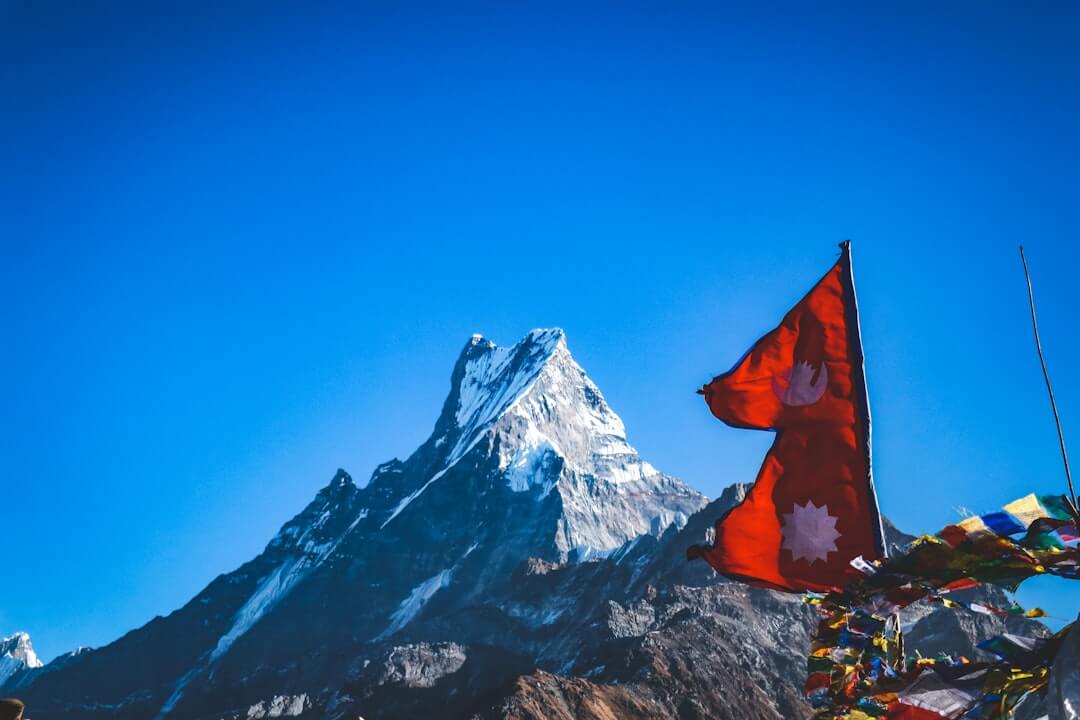
Embarking on a high-altitude trek in Nepal is a thrilling adventure that offers breathtaking landscapes, cultural immersion, and unparalleled experiences in the heart of the Himalayas. By following the seven effective ways to prevent altitude sickness outlined in this guide, you can significantly reduce the risk of AMS and maximize your enjoyment of the trekking journey. From proper acclimatization techniques to hydration and nutrition tips, breathing exercises, medication options, and emergency response procedures, each strategy plays a vital role in ensuring a safe and memorable high-altitude trek in Nepal.
Remember that altitude sickness is a serious condition that requires respect, caution, and proactive prevention measures to mitigate its impact on your trekking experience. Prioritize your health and safety above all else, listen to your body, communicate openly with your trekking companions and guides, and be prepared for any eventuality while trekking in Nepal's high mountains. With the right knowledge, preparation, and mindset, you can conquer the challenges of high altitude and enjoy a transformative trekking experience that will stay with you for a lifetime. So lace up your boots, breathe in the crisp mountain air, and embark on the adventure of a lifetime in the majestic Himalayas of Nepal!
By implementing these proven strategies and staying vigilant throughout your high-altitude trek, you can minimize the risks of altitude sickness and fully immerse yourself in the awe-inspiring beauty of Nepal's mountainous landscapes. So pack your bags, lace up your hiking boots, and get ready to conquer the heights of the Himalayas with confidence and resilience. Your high-altitude trek in Nepal awaits, promising unforgettable moments, incredible vistas, and the sense of accomplishment that comes with conquering the world's most spectacular peaks. Safe travels, and may your journey be filled with wonder, discovery, and the joy of exploring the rooftop of the world!
PRO TIP: Carry lightweight, easy-to-put-on crampons in your pack and commit to using them whenever you traverse a snow field, ridge, or snowy part of the trail. Don't overthink it. Just put them on!
PREPARE FOR YOUR NEPAL TREK THE SMART WAY!
Everything I wish I'd had before my first trek: checklists, worksheets and honest tips. Free!

Hey there, I'm Sandra!
Life coach, mountain lover and proud Nepal newbie. I did my first trek in Nepal in my fifties, and it changed everything. Nothing grounds you like standing among those Himalayan giants.
On the trail, I learned the hard way that it's as much a mental game as a physical one. So I started Nepalnewbies.com to give beginners like us the honest advice I wish I'd had. No sugar-coating.
👉 READ MY STORY
Popular posts
What I found out, no sugar-coating, about what 17,598 ft (5,364 m) asks of you.
I made it to base camp, but my prep wasn't even close. Learn from my mistakes.

Here's what using a toilet is really like on a trek, and 10 tips to make it a lot less awkward.
NEW: THE NEPAL STARTER KIT.
YOUR TURN: Any thoughts, advice, experiences, questions? Share in the comments.
Grab My Nepal Starter Kit.

PREPARE FOR YOUR NEPAL TREK THE SMART WAY! Everything I wish I'd had before my first trek: checklists, worksheets and honest tips. Free!
Copyright ©Nepalnewbies.com All Rights Reserved.
The Nepal trekking blog for beginners who want the real story. First-hand experience from a fifty-something beginner, honest tips and practical guides for your first trek in Nepal. Squat toilets included. No sugar-coating.
Copyright © YourCompany. All Rights Reserved