
Published August 25th, 2024 in TREKKING.
Beat Altitude Insomnia: Essential Sleeping Aids for Your Nepal Trek.

PREPARE FOR YOUR NEPAL TREK THE SMART WAY!
Everything I wish I'd had before my first trek: checklists, worksheets and honest tips. Free!
Did you know that sleeping well can be one of the biggest challenges on a Nepal trek? The higher you go, the harder it can be to get restful sleep. I was honestly surprised by how restless I felt at night. Luckily, I brought a few simple sleeping aids that made a huge difference. If you’re new to trekking, I’ll share what helped me actually get some good rest out there. These simple sleeping aids can help you catch better Zzz’s and feel energized for the journey ahead.
Recommended sleep aids for your Nepal Trek.
Sleeping at high altitudes can be difficult. The lower oxygen levels, thinner air, and cold temperatures can all disrupt your sleep. To ensure a good night's rest in these conditions, the right sleep aids are not just helpful; they are essential. Here are some recommended options to consider, each carefully chosen to improve your sleep quality.
1. Earplugs
Yes, these are MUST-HAVES. High-altitude environments can be super noisy, with the sound of wind, wildlife, dogs, room mates, and other trekkers disrupting your sleep. Investing in the best earplugs you can find can help block these external sounds and create a more peaceful sleeping environment.
2. Sleeping Bag
Don't overthink this item: Investing in a high-quality sleeping bag can significantly improve your comfort and sleep quality at high altitudes. Don't rely solely on the duvet or your lodging. It gets way colder than you'd think at high altitudes! So look for options designed for cold weather and provide adequate insulation to keep you warm and cozy throughout the night.
3. Eye Mask
An eye mask can effectively block out unwanted light (hello, roommate), helping your body regulate its sleep-wake cycle more effectively. If you’ve never used one before, try getting accustomed to it at home. Bonus: You can also benefit from wearing it during flights.
PRO TIP Use your own high-quality, warm sleeping gear so that you don't wake up from the cold. Don't fall into the trap of only bringing a liner!
4. Room spray
You can use travel-sized room sprays or essential oil roller balls to create a relaxing atmosphere in your small sleeping quarters while on the trail. Simply spray them in the air or on your pillowcase (which you brought with you). Lavender, in particular, has soothing properties that can enhance sleep. Feel free to experiment with your own favorite scents as well.
5. Travel pillow case
This isn't your average sleeping device that you might think of right away. However, nothing beats your own fluffy pillow. You can purchase a travel-sized pillowcase that you can stuff with your down jacket or use over the pillow provided by your lodging. Still, it’s so nice to have your own pillow.
Questions or other tips? Let's see them below in the comments!
Leave a Reply

Hey there, I'm Sandra!
Life coach, mountain lover and proud Nepal newbie. I did my first trek in Nepal in my fifties, and it changed everything. Nothing grounds you like standing among those Himalayan giants.
On the trail, I learned the hard way that it's as much a mental game as a physical one. So I started Nepalnewbies.com to give beginners like us the honest advice I wish I'd had. No sugar-coating.
👉 READ MY STORY
Most read
What I found out, no sugar-coating, about what 17,598 ft (5,364 m) asks of you.
I made it to base camp, but my prep wasn't even close. Learn from my mistakes.
Here's what using a toilet is really like on a trek, and 10 tips to make it a lot less awkward.
NEW: THE NEPAL STARTER KIT.
Grab My Nepal Starter Kit.
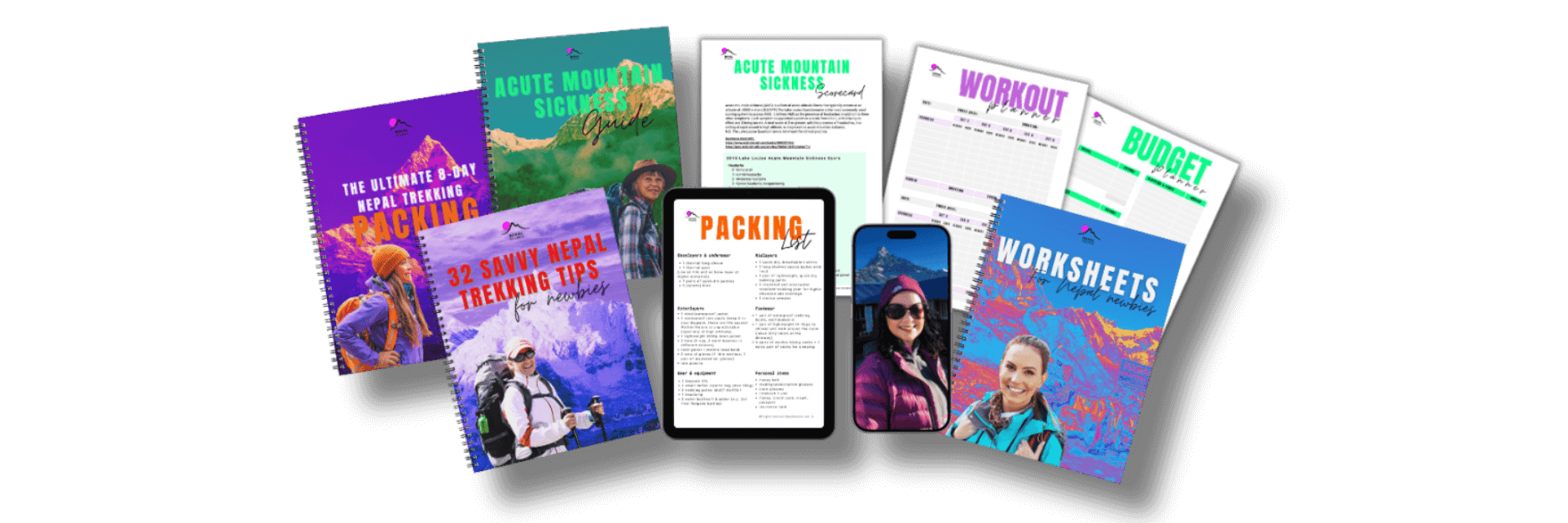
PREPARE FOR YOUR NEPAL TREK THE SMART WAY! Everything I wish I'd had before my first trek: checklists, worksheets and honest tips. Free!
Copyright ©Nepalnewbies.com All Rights Reserved.
The Nepal trekking blog for beginners who want the real story. First-hand experience from a fifty-something beginner, honest tips and practical guides for your first trek in Nepal. Squat toilets included. No sugar-coating.
Copyright © YourCompany. All Rights Reserved
1 Response to "Beat Altitude Insomnia: Essential Sleeping Aids for Your Nepal Trek."
[…] Be more careful with sleep aids. Some supplements, like valerian root, might help, but can interact with medication. And many sleeping pills can slow your breathing, which is exactly what you don't want at altitude. Talk to your doctor or travel clinic before your trip about what's safe for you, including whether altitude medication makes sense for your route. (I go deeper into this in Sleep Aids for Nepal Trekking.) […]