
Updated: September, 2026 in TREKKING.
Sleeping at High Altitude: 10 Tips That Really Helped Me.

By Sandra · Founder of Nepalnewbies.com, first-time Himalayan trekker (Mardi Himal Base Camp, 2024)

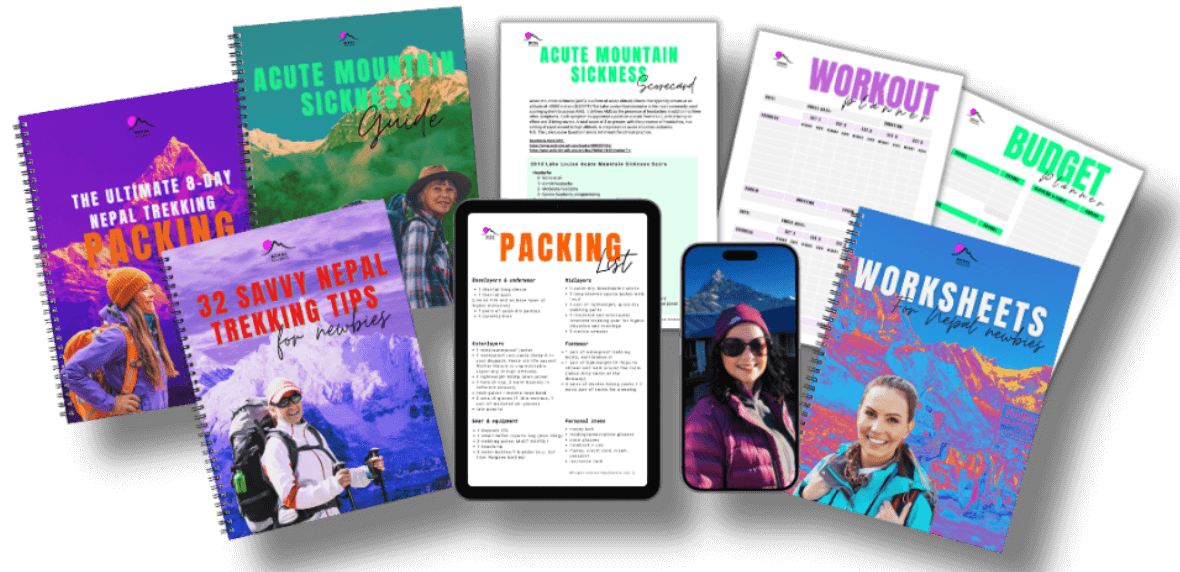
PREPARE FOR YOUR NEPAL TREK THE SMART WAY!
Everything I wish I'd had before my first trek: checklists, worksheets and honest tips. Free!
It's 3 a.m. You're zipped into your sleeping bag in a freezing teahouse room somewhere above 3,500 meters. Your breathing feels strange, your neighbor is snoring through the paper-thin wall (how can they sleep? I was so jealous), a dog is barking, a donkey answers, and you really need to pee. Again.
Welcome to sleeping at high altitude.
On my first trek to Mardi Himal Base Camp, I had to pee every single night. And that didn't mean a quick walk to the bathroom. It meant getting out of my warm sleeping bag, stepping outside into pitch-black darkness and shuffling to a squat toilet, often without any light except my headlamp, hoping I'd find my own door back. Let's just say I didn't always. Add the cold, the damp smell of the room, unwashed duvets and a pillow situation I'd rather forget, and you'll understand why a good night's sleep felt like a luxury.
The good news: it's normal, it's a well-known effect of thin air and teahouse life, and there's actually a lot you can do about it. Here are the 10 tips that helped me, and/or what I'd do differently next time.
Why is sleeping at high altitude so hard?
The higher you go, the less oxygen there is in every breath. Our body responds by breathing faster and deeper, and at night that can turn into an uneven rhythm: a few deep breaths, a pause, then a sudden gasp that wakes you up. It's called periodic breathing, and it's very common above about 2,500 meters. It feels alarming, but on its own it's usually harmless.
A lot of farting
Then there's teahouse life: unheated rooms, dry air, paper-thin walls, snoring neighbors, barking dogs, people shuffling to the toilet in the middle of the night, and, let's just say it, a lot of farting. Yes, really.
It's so common at altitude that it has an official name: High Altitude Flatus Expulsion. Lower air pressure makes the gas in your gut expand, and nobody is spared. Not you, not your roommate, not the neighbors behind that thin wall.
High-altitude insomnia
Put it all together and you get what's officially called high-altitude insomnia: waking up often, sleeping lightly and starting the day tired. You can't change the altitude, but you can change almost everything else.
PRO TIP There's a lot of farting at high altitude. Yes, really.
It's so common at altitude that it has an official name: High Altitude Flatus Expulsion. Lower air pressure makes the gas in your gut expand, and nobody is spared. Not you, not your roommate, not the neighbors behind that thin wall.
10 tips for better sleep at high altitude
1. Go up slowly (your sleep will thank you)
The rule is: The faster you climb, the worse you sleep. Once you're above about 3,000 meters, a common guideline is to raise the altitude where you sleep by no more than 300–500 meters a day, with a rest day every three or four days. When you choose a trek or a trekking company, check the itinerary for this. A route that looks "efficient" on paper can cost you your nights.
2. Drink during the day, not at night
Thin, dry mountain air dehydrates you faster than you notice, and dehydration makes altitude effects worse. So drink plenty during the day, and ease off in the evening.
Because trust me, the night-time toilet trip is an adventure. In many tea houses the toilet is outside, down a dark path, and it's a squat toilet with little or no light. A few things that make it easier:
- Keep your headlamp within reach, not buried in your backpack. Use the red-light setting so you don't wake your roommate.
- Remember which door is yours. Doors all look alike in the dark, and I stumbled into my neighbor's room more than once. Tie something recognizable to your door handle, like a scarf or a bright hair tie.
- Lock your door, even when you're exhausted or afraid that you can't find the door key. We skipped it altogether and occasionally woke up to strangers standing in our room in the middle of the night. They'd picked the wrong door too.
- Put your warm layers and shoes ready by your bed, so you don't lose all your warmth on the way.
More about Nepali toilets in: Using a Toilet in Nepal: What Nobody Tells You.
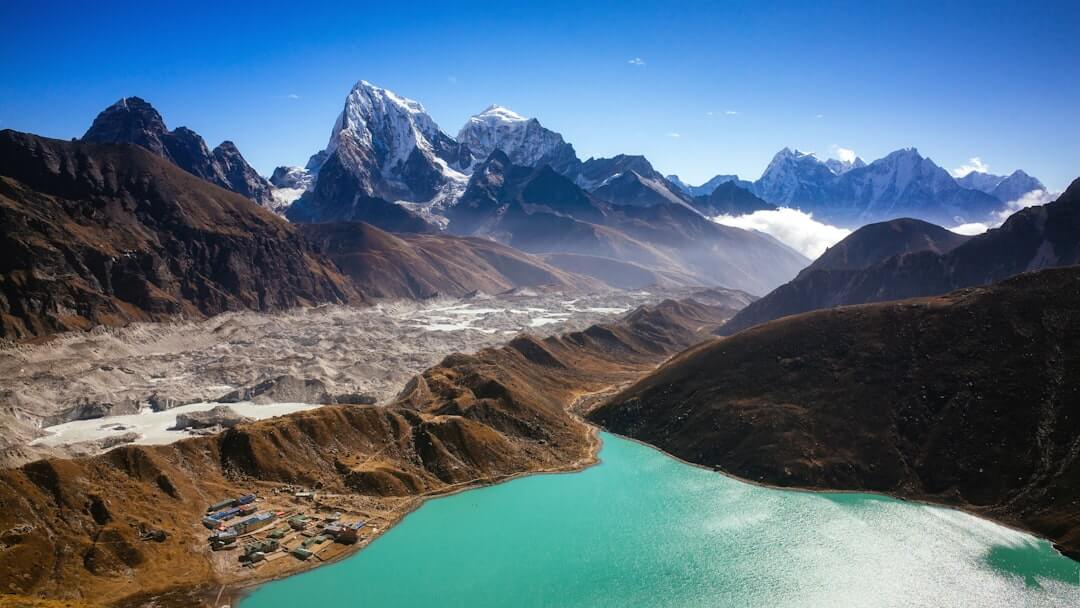
3. Go to bed with the mountains
Life on the trail starts early. Teahouses are buzzing before sunrise, and most trekkers are out the door soon after. Go with it: have an early dinner, go to bed early and get up with the light. Your body clock adjusts faster when your rhythm matches daylight, temperature and the people around you.
4. Bring your own warm sleeping bag, not just a liner
I can't say this enough: it was so cold at night that I couldn't sleep. Generally teahouse rooms aren't heated, the walls are thin, and the duvets are often damp and, let's be honest, not washed after every guest. Don't fall into the trap of bringing only a liner so that you can use the duvets. Your own warm sleeping bag keeps you warm and gives you a clean, familiar place to sleep.
What helps against the cold, the smells and the noise:
- Hot water bottle trick: fill a sturdy water bottle (my Nalgene 1L did do the trick) with hot water, close it tightly and put it at the bottom of your sleeping bag, wrapped in a towel or a beanie/sock.
- Keep your shoes and trail socks away from your head. Put them in a bag or by the door, and air them out during the day whenever you can. The damp room smells bad enough on its own. Remind your roomie as well ;-).
- (Really) Good earplugs. Snoring neighbors, barking dogs, braying donkeys, footsteps to the toilet: OMG, teahouse nights are anything but quiet!
5. Stretch, don't sweat
A few minutes of gentle stretching or a calm yoga flow before bed helps your muscles recover after a day on the trail and helps you wind down. Keep it gentle, though: intense exercise right before bed wakes your body up instead of calming it.
6. Skip caffeine and alcohol in the evening
Caffeine can keep you awake at altitude, even if you normally sleep fine after an espresso. That includes black tea and the delicious masala tea you'll see on every teahouse menu. Alcohol may help you drift off, but it disturbs your sleep later in the night, dehydrates you and, you guessed it, sends you out into the dark to the toilet.
The same goes for a heavy evening meal. Dal bhat is the fuel of every trek, but a big plate of lentils right before bed, combined with the altitude, makes for a noisy (and smelly) night. Eat your main meal a bit earlier if you can, and go easy on fizzy drinks.
7. Create a small bedtime ritual
A short, familiar routine tells your body it's time to rest, even in a strange room. Read a few pages, write in your journal, or listen to a meditation you've downloaded beforehand. And once the lights are out, save the lively chat with your roommate for breakfast.
8. Calm your mind, not just your body
Trekking is physically demanding, but it's mentally demanding too. At night, your mind has room to wander: worries about tomorrow's climb, thoughts about home, work or family. As a life coach, I see this a lot: the body is exhausted, but the mind keeps going.
Try belly breathing: breathe slowly and deeply into your abdomen instead of your chest. It calms your nervous system and helps you feel more at ease with the thin air. A few minutes is often enough to let your thoughts settle.
9. Try ginger tea, and be careful with sleep aids
Ginger tea is on almost every teahouse menu, and a warm, caffeine-free drink is a lovely way to end the day. Some small studies suggest ginger may support relaxation, but the main benefit is simply that it's comforting and won't keep you awake.
Be more careful with sleep aids. Some supplements, like valerian root, might help, but can interact with medication. And many sleeping pills can slow your breathing, which is exactly what you don't want at altitude. Talk to your doctor or travel clinic before your trip about what's safe for you, including whether altitude medication makes sense for your route. (I go deeper into this in Sleep Aids for Nepal Trekking.)
10. Listen to your body
Try a combination of these tips and notice what works for you. Everybody is different.
And know when bad sleep is more than bad sleep. Poor sleep combined with a headache, nausea, dizziness or unusual tiredness can be an early sign of altitude sickness. Don't ignore it, don't climb higher until you feel better, and tell your guide. If symptoms get worse, going down is the most effective treatment.
PRO TIP Belly breathing involves breathing deeply into your abdomen rather than your chest. This type of breathing can help you relax, reduce stress, and improve oxygen intake, all of which can contribute to better sleep at high-altitude.
Frequently asked questions about sleeping at high altitude
Is it normal to sleep badly at high altitude?
Yes. Most trekkers sleep lighter and wake up more often above 2,500–3,000 meters, especially during the first nights at a new altitude. It usually improves as your body acclimatizes.
Why do I wake up gasping for air at night?
That's usually periodic breathing: your breathing slows down, pauses briefly, then picks up with a deep breath. It's common and on its own usually harmless. If you're also breathless while resting during the day, or feel very unwell, tell your guide right away.
Why do I fart so much at high altitude?
It's a well-known effect called High Altitude Flatus Expulsion. Lower air pressure makes the gas in your intestines expand, and breathing harder makes you swallow more air. It's harmless, very common and usually improves when you go down. Eating slowly and going easy on beans, lentils and fizzy drinks in the evening can help.
Why would I need to pee so often at night at altitude?
Our body gets rid of extra fluid as part of adjusting to altitude, so frequent peeing is common, especially in the first days. Keep drinking during the day, ease off in the evening, and keep your headlamp and warm layers ready.
Can I take sleeping pills at high altitude?
Only after talking to your doctor. Many sleeping pills can slow your breathing, which can be risky at altitude.
When is bad sleep a sign of altitude sickness?
When it comes with a headache, nausea, dizziness or unusual fatigue. Then don't go higher, and discuss it with your guide.
Thoughts or other tips? Let's hear them in the comments!
Leave a Reply

Hey there, I'm Sandra!
Life coach, mountain lover and proud Nepal newbie. I did my first trek in Nepal in my fifties, and it changed everything. Nothing grounds you like standing among those Himalayan giants.
On the trail, I learned the hard way that it's as much a mental game as a physical one. So I started Nepalnewbies.com to give beginners like us the honest advice I wish I'd had. No sugar-coating.
👉 READ MY STORY
Most read
What I found out, no sugar-coating, about what 17,598 ft (5,364 m) asks of you.
I made it to base camp, but my prep wasn't even close. Learn from my mistakes.

Here's what using a toilet is really like on a trek, and 10 tips to make it a lot less awkward.
NEW: THE NEPAL STARTER KIT.
Grab My Nepal Starter Kit.

PREPARE FOR YOUR NEPAL TREK THE SMART WAY! Everything I wish I'd had before my first trek: checklists, worksheets and honest tips. Free!
Copyright ©Nepalnewbies.com All Rights Reserved.
The Nepal trekking blog for beginners who want the real story. First-hand experience from a fifty-something beginner, honest tips and practical guides for your first trek in Nepal. Squat toilets included. No sugar-coating.
Copyright © YourCompany. All Rights Reserved
1 Response to "Sleeping at High Altitude: 10 Tips That Really Helped Me"
[…] Sleeping at High Altitude: 10 Tips That Really Helped Me […]