
Published August 25th, 2024 in TREKKING.
Is the Annapurna Circuit Trek Suitable for Beginners? A Complete Guide for First-Time Hikers.

By Sandra · Founder of Nepalnewbies.com, first-time Himalayan trekker (Mardi Himal Base Camp, 2024)
For my first trek in Nepal, I was eyeing the Annapurna region. I’d heard of the ABC trek, but then I came across the Annapurna Circuit. The word "circuit" made me think it might be too tough, especially for a beginner. But after looking into it, I realized it could actually be a great choice for a second or maybe third trek. In this post, I’ll explain why the Annapurna Circuit might be more beginner-friendly than you think. In some ways, at least.
What is the Annapurna Circuit trek?
The Annapurna Circuit is one of the most iconic treks in Nepal, and for good reason. Located in the Annapurna mountain range, this trek takes you on a loop (or "circuit") around the massive Annapurna massif, offering breathtaking views of some of the highest peaks in the world, like Annapurna I and Dhaulagiri.
The route also takes us through a mix of landscapes – from lush valleys and subtropical forests to dry, windswept plateaus. It's called a "circuit" because it loops around the Annapurna massif and connects a variety of villages and terrain, making for a truly diverse and immersive hiking experience.
But while it's one of the most popular treks in Nepal, the question is: is it the right choice for beginners? Let’s dive in!
Annapurna Circuit: Overview and Route
The Annapurna Circuit is about 160 kilometers (100 miles) long and takes anywhere from 15 to 21 days to finish. I immediately couldn’t imagine hiking that kind of distance as a beginner, let alone in the rugged terrain of the Himalayas. But the more I read about it, the more curious I got—especially with all those stunning views, cultural experiences, and the challenge of those high-altitude passes.
The route typically begins in the town of Besisahar. It winds its way through the Marsyangdi and Kali Gandaki valleys, passing through various landscapes and elevations. Along the way, trekkers will encounter traditional Tibetan-influenced villages, lush rhododendron forests, and the towering peaks of the Annapurna and Dhaulagiri mountain ranges.
One of the highlights of the Annapurna Circuit is the crossing of the famous Thorong La pass, which stands at an impressive elevation of 5,416 meters (17,769 feet). This high-altitude crossing is a super challenging experience, not typically suited for beginners if you ask me. So I have my doubts.
Is the Annapurna Circuit Trek Suitable for Beginners? Pros and Cons...
Pros:
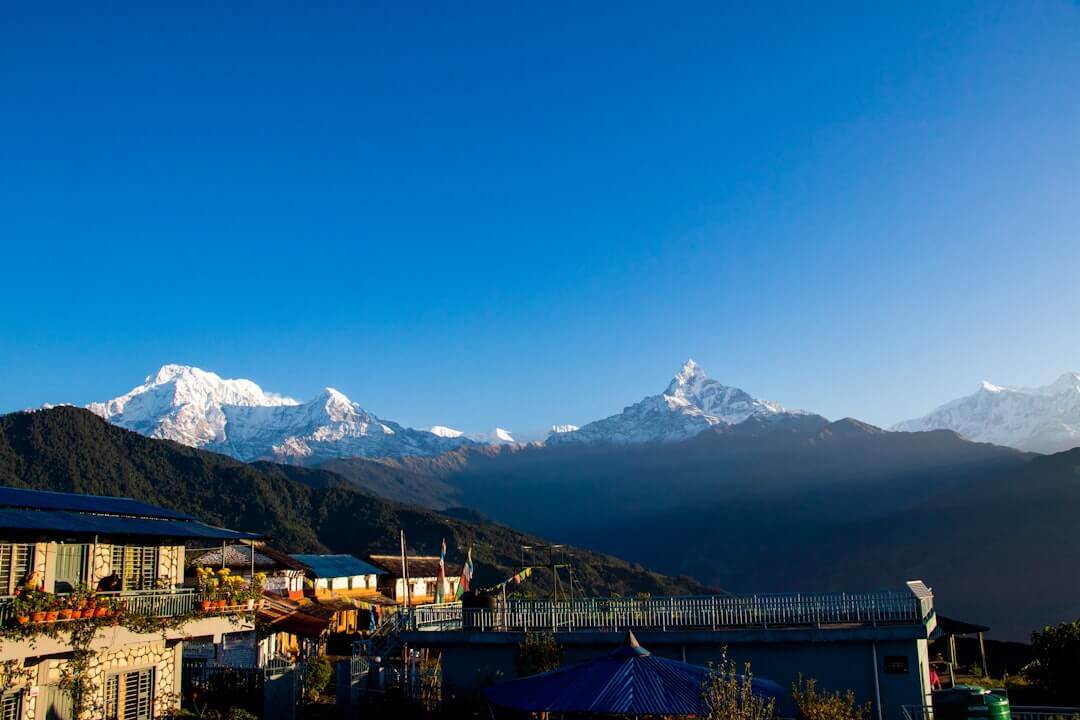
- Incredible Views: The Annapurna Circuit offers some of the best mountain views in the world, including close-ups of Annapurna, Dhaulagiri, and Machapuchare. For a beginner, there’s nothing like the sense of accomplishment you’ll feel while taking in these awe-inspiring sights.
- Diverse Terrain: The trek takes you through a mix of landscapes, from lush subtropical forests to high-altitude deserts, providing an ever-changing scenery that’s not only beautiful but exciting to experience.
- Cultural Experience: The trail passes through several small villages where you can interact with local communities, learn about their cultures, and try traditional foods. It’s a fantastic way to immerse yourself in Nepalese life.
- Well-Established Infrastructure: The Annapurna Circuit is a popular trek with well-marked paths, plenty of tea houses for accommodation, and regular resupply points. It’s not as remote as some other Himalayan treks, making it more accessible for beginners.
- Gradual Acclimatization: The trek is designed in a way that allows for gradual altitude acclimatization, which can help reduce the risks of altitude sickness (a key concern for beginners). You’ll start at a relatively low altitude and gradually work your way higher.
One great thing about the Annapurna Circuit is that, since it takes about three weeks to complete, you have plenty of time to gradually build strength and endurance. If you pace yourself and take your time—maybe even stretching it to four weeks—you can train your body day by day, getting stronger and more comfortable with the hike. Plus, with enough time to rest in between, you can let your body recover and adapt, making it a more manageable challenge for beginners.
Cons:
- Long Duration: The trek typically takes 12 to 21 days, which can be overwhelming for first-time trekkers. It’s a lot of time and physical effort, which may be too much if you’re still building your stamina.
- Altitude: While there’s gradual acclimatization, the Thorong La Pass (5,416 meters / 17,769 feet) is high enough to cause altitude sickness if you’re not careful. Even with proper acclimatization, the high altitude can still be tough for beginners.
- Challenging Sections: Some days on the Annapurna Circuit can be steep or longer than others, with tough sections that require stamina and mental toughness. This can be hard for absolute beginners who aren't used to strenuous hiking.
- Unpredictable Weather: The weather in the Himalayas can change quickly, and high-altitude conditions can bring snow, rain, or cold temperatures, even in the middle of trekking seasons. Beginners may not be fully prepared for these rapid changes.
- Physical Demand: The trail’s mixed terrain, combined with long days of walking, can be tiring, especially if you don’t have a lot of hiking experience. First-time trekkers might find it more physically demanding than expected.
What Makes It Suitable for Beginners?
- Manageable Sections: Despite the trek's overall difficulty, the gradual ascent, well-marked paths, and frequent tea houses make it more accessible for first-timers compared to other high-altitude treks in Nepal.
- Supportive Community: Because of its popularity, the Annapurna Circuit is often filled with other trekkers, making it easier for beginners to find support, tips, and advice along the way and to stay motivated.
- Flexibility: You can adjust the pace of the trek based on your comfort level. If needed, you can take rest days to acclimatize or adjust your route to avoid the toughest sections.
The verdict?
While the Annapurna Circuit on paper is a more challenging trek than others in Nepal because of length, high passes, long days etc, it will still be doable for relatively beginners with good fitness and preparation. If you're in good shape, are prepared for the altitude, and take your time on the trail, it could be a truly rewarding adventure. When you're in a hurry or when you're not in great shape, it may not be the best option.
Prepare for Your Nepal Trek the Easy Way –
Get the Ultimate NEPAL Starter Kit.
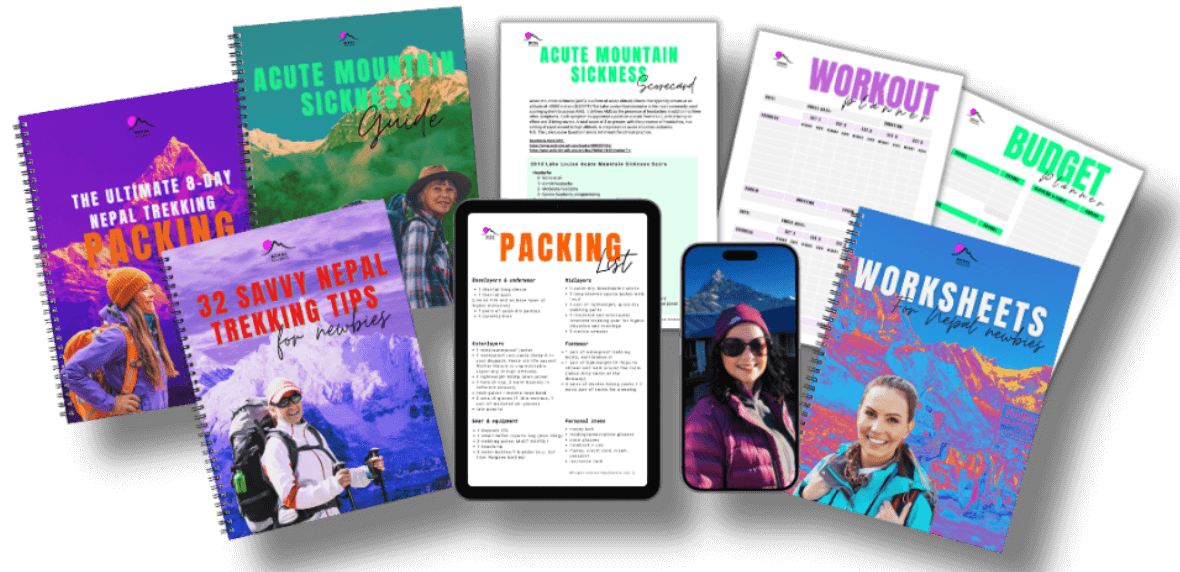
NEW: Grab my complete Starter Kit packed with gear lists, handy guides, worksheets, and insider tips for trekking smart in Nepal!
Permits and Regulations for Trekking in the Annapurna Circuit
If you're considering trekking in the Annapurna Circuit, know that it is subject to specific permits and regulations designed to protect the fragile mountain environment and ensure the safety of trekkers.
The primary permit required for trekking in the Annapurna Circuit is the Annapurna Conservation Area Permit (ACAP). This permit is issued by the Annapurna Conservation Area Project and is mandatory for all trekkers entering the region. It can be obtained in Kathmandu or Pokhara and is valid for the duration of the trek.
In addition to the ACAP permit, trekkers may also need to obtain a Trekkers' Information Management System (TIMS) card, which is a permit that provides information about your trekking group and itinerary. The TIMS card can be obtained from the Nepal Tourism Board office in Kathmandu or Pokhara.
It's important to note that the permits and regulations for trekking in the Annapurna Circuit may be subject to change, so it's always a good idea to check with your trekking agency or the Nepal Tourism Board for the most up-to-date information.
When to go: Best time for trekking the Annapurna Circuit
The Annapurna Circuit can be trekked year-round, but the best time to visit depends on your preferences and the weather conditions. Here are the main trekking seasons and their characteristics:
- Spring (March to May): This is the most popular trekking season, with mild temperatures and clear skies. The rhododendron forests are in full bloom, adding a vibrant splash of color to the landscape. However, this is also the busiest time, with more trekkers on the trails.
- Summer (June to August): The summer months bring the monsoon season, with occasional rain and cloud cover. While the weather can be less predictable, the lush green landscapes and fewer crowds make this a viable option for some trekkers.
- Autumn (September to November): Autumn is considered the second-best trekking season, with stable weather, clear skies, and moderate temperatures. The autumn foliage adds a beautiful touch to the scenery, making the trails less crowded.
- Winter (December to February): The winter months bring colder temperatures and the possibility of snow, especially at higher elevations. This is the least popular trekking season, but it offers a unique experience with fewer crowds and the chance to see the Himalayas under a blanket of snow.
When choosing the best time to trek the Annapurna Circuit, consider your personal preferences, fitness level, and the weather conditions that you're comfortable with. Consulting with a local trekking agency or doing thorough research can help you make the most informed decision.
Physical fitness and preparation for the trek
If you're considering trekking the Annapurna Circuit, know it's no walk in the park. You'll need to be in good shape and prep yourself well. It's all about long, arduous days of walking, steep climbs, and dealing with high altitudes, so it's not for the unprepared. To tackle this trek and have a blast, you gotta start getting in shape well ahead of time. Think cardio, strength training, and hiking with a weighted backpack to build up your endurance and stamina.
Cardiovascular exercises, such as running, cycling, or swimming, can help improve overall fitness and prepare the body for the trek's demands. Strength training, particularly targeting the leg muscles, can also be beneficial in providing the necessary power to tackle steep inclines and descents.
In addition to physical training, it's crucial to pay attention to diet and hydration. Proper nutrition and adequate water intake can significantly affect your energy levels and overall well-being during the trek. A balanced diet rich in carbohydrates, proteins, and healthy fats can help fuel your body for the challenges ahead.
It's also important to consider your acclimatization process, as the Annapurna Circuit involves significant elevation gains. Gradually increasing your altitude exposure through training hikes or a pre-trek acclimatization period can help your body adapt to lower oxygen levels, reducing the risk of altitude-related illnesses.
By properly preparing physically and mentally, you'll be better equipped to handle the demands of the Annapurna Circuit and fully immerse yourself in the breathtaking beauty of the Himalayas.
What to pack for the Annapurna Circuit trek
If you're prepping for the Annapurna Circuit trek, it's important to pack smart. You'll want to bring along the essentials for a safe and comfy trip while also keeping an eye on the weight of your gear. Here's a rundown of essential items to include in your pack:
Hiking Gear:
- Sturdy, well-broken-in hiking boots with good traction
- Lightweight, moisture-wicking base layers
- Insulating mid-layers, such as fleece or down jackets
- Weatherproof outer layers, including a waterproof and breathable jacket and pants
- Hiking socks, preferably made of wool or synthetic materials
- Trekking poles provide stability and reduce strain on your joints
- Gaiters to keep your lower legs and feet dry and protected
Personal Items:
- Sun protection, including sunscreen, hat, and sunglasses
- Toiletries, including toilet paper, hand sanitizer, and personal hygiene items
- First-aid kit with medications, bandages, and other necessary supplies
- Travel documents, including passport, permits, and insurance information
- Cash in local currency for expenses along the trek
- Camera and extra batteries or chargers
It's important to remember that the weight of your backpack can significantly impact your comfort and energy levels during the trek. Try to pack only the essentials, and consider renting or sharing gear with your trekking group to lighten the load.
Accommodation and teahouses along the Annapurna Circuit
One of the unique aspects of trekking the Annapurna Circuit is the availability of teahouses, or small family-run lodges, along the route. These teahouses provide basic but comfortable accommodations and warm hospitality, allowing trekkers to experience the local culture and traditions firsthand.
The teahouses are typically located in the villages and settlements along the Annapurna Circuit. They offer a range of room types, from dorm-style accommodations to private rooms. The rooms are generally simple, with basic furnishings and shared bathroom facilities, but they provide a cozy and welcoming atmosphere.
In addition to accommodation, the tea houses also serve as gathering places for trekkers, offering a chance to interact with the local people, sample traditional Nepalese cuisine, and exchange stories with fellow adventurers. The menu at the teahouses is often limited but typically includes hearty and nutritious dishes, such as dal (lentil stew), rice, and various vegetable and meat-based curries.
While the teahouses provide a comfortable and authentic experience, it's important to note that the amenities and facilities can vary significantly along the Annapurna Circuit. Some tea houses may have basic electricity and hot water. In contrast, others may rely on solar power or offer only cold water. Researching and booking your accommodations in advance, especially during the peak trekking seasons, is a good idea to ensure availability.
A few eco-lodges and campsites are also located along the Annapurna Circuit for trekkers who prefer a more luxurious or private experience. These facilities offer more modern amenities like private rooms, en-suite bathrooms, and Wi-Fi. Still, they come at a higher price point.
Regardless of your accommodation option, the Annapurna Circuit offers a unique opportunity to immerse yourself in the local culture and connect with the warm and welcoming Nepalese people.
Highlights and must-see attractions along the Annapurna Circuit
The Annapurna Circuit is renowned for its stunning natural beauty and cultural richness, offering a wealth of highlights and must-see attractions. Here are some of the key highlights that make this trek so captivating:
- Thorong La Pass: At an impressive elevation of 5,416 meters (17,769 feet), the Thorong La Pass is the highest point of the Annapurna Circuit. Crossing this high-altitude pass is a true test of endurance and a highlight for many trekkers, offering breathtaking views of the surrounding peaks.
- Spiritual Significance: The Annapurna region holds great spiritual significance for the Nepalese people. Numerous sacred sites and temples, such as the Muktinath Temple and the Braga Monastery, are along the trek. Trekkers can immerse themselves in the rich spiritual traditions and witness the local people's devotion.
- Annapurna and Dhaulagiri Ranges: The Annapurna and Dhaulagiri mountain ranges are the undisputed stars of the Annapurna Circuit. These towering peaks, including Annapurna I (8,091 meters) and Dhaulagiri I (8,167 meters), provide a stunning backdrop and a humbling reminder of nature's power.
- Tibetan-influenced Villages: As you trek through the Annapurna region, you'll encounter several traditional Tibetan-influenced villages, such as Manang and Muktinath. These remote settlements offer a glimpse into the rich cultural heritage of the Nepalese people, with their unique architecture, religious practices, and traditional way of life.
- Pristine Lakes: The Annapurna Circuit is home to several pristine high-altitude lakes, including the turquoise waters of Tilicho Lake and the sacred Phewa Lake in Pokhara. These serene bodies of water provide a peaceful respite and a chance to reflect on the journey.
- Diverse Ecosystems: The Annapurna Circuit traverses a wide range of ecosystems, from the lush, subtropical forests of the lower elevations to the high-altitude, semi-arid landscapes of the Tibetan Plateau. This diversity offers trekkers the opportunity to encounter a variety of flora and fauna, including rhododendron forests, alpine meadows, and the elusive snow leopard.
By exploring these highlights and must-see attractions, trekkers on the Annapurna Circuit will be rewarded with a truly transformative and unforgettable experience in the heart of the Himalayas.
Safety tips and precautions for trekking in the Annapurna Circuit
Trekking the Annapurna Circuit is an incredible adventure, but it also comes with inherent risks that must be taken seriously. To ensure a safe and enjoyable journey, it's essential to follow these safety tips and precautions:
- Acclimatize Properly: Gradual acclimatization is crucial to prevent altitude-related illnesses, such as acute mountain sickness (AMS). Take your time ascending, and consider incorporating rest days into your itinerary to allow your body to adjust to the higher elevations.
- Stay Hydrated: Proper hydration is essential, especially at high altitudes. Carry a water bottle or hydration system and drink plenty of water throughout the day.
- Pack the Right Gear: Invest in high-quality, well-fitting trekking gear, including sturdy boots, warm layers, and rain protection. Proper equipment can significantly improve your comfort and safety.
- Hire a Reputable Guide: Consider hiring a licensed and experienced guide, especially if you're new to trekking in Nepal. A knowledgeable guide can provide invaluable insights, navigate the trails, and ensure safety.
- Be Aware of Weather Conditions: Monitor the weather forecast closely and adjust your plans accordingly. Sudden changes in weather, such as heavy rain or snowfall, can pose serious challenges and risks.
- Respect the Environment: The Annapurna region is a fragile ecosystem, so it's crucial to minimize your environmental impact by following Leave No Trace principles, such as properly disposing of waste and respecting the local wildlife.
- Prioritize Your Health: If you experience any symptoms of altitude sickness or other health issues, don't hesitate to descend to a lower elevation or seek medical attention. Your safety should always be the top priority.
- Communicate and Prepare: Inform your family or friends about your trekking plans, and consider carrying a satellite communication device or emergency locator beacon in case of an emergency.
By following these safety tips and precautions, you can maximize your chances of a successful and enjoyable trekking experience in the Annapurna Circuit. Safety should always be the top concern when embarking on any high-altitude adventure.
TIP If you're considering trekking the Annapurna Circuit, know it's no walk in the park. You'll need to be in good shape and prep yourself well. It's all about long, arduous days of walking, steep climbs, and dealing with high altitudes, so it's not for the unprepared. To tackle this trek and have a blast, you gotta start getting in shape well ahead of time.
TIP One of the highlights of the Annapurna Circuit is the crossing of the Thorong La pass, which stands at an impressive elevation of 5,416 meters (17,769 feet). This high-altitude crossing is a challenging but rewarding experience, offering breathtaking views of the surrounding peaks and a sense of accomplishment for those who conquer it.
YOUR TURN: Any thoughts, advice, experiences, questions? Share in the comments.
PREPARE FOR YOUR NEPAL TREK THE SMART WAY!
Everything I wish I'd had before my first trek: checklists, worksheets and honest tips. Free!

Hey there, I'm Sandra!
Life coach, mountain lover and proud Nepal newbie. I did my first trek in Nepal in my fifties, and it changed everything. Nothing grounds you like standing among those Himalayan giants.
On the trail, I learned the hard way that it's as much a mental game as a physical one. So I started Nepalnewbies.com to give beginners like us the honest advice I wish I'd had. No sugar-coating.
👉 READ MY STORY
Popular posts
What I found out, no sugar-coating, about what 17,598 ft (5,364 m) asks of you.
I made it to base camp, but my prep wasn't even close. Learn from my mistakes.

Here's what using a toilet is really like on a trek, and 10 tips to make it a lot less awkward.
NEW: THE NEPAL STARTER KIT.
Grab My Nepal Starter Kit.

PREPARE FOR YOUR NEPAL TREK THE SMART WAY! Everything I wish I'd had before my first trek: checklists, worksheets and honest tips. Free!
Copyright ©Nepalnewbies.com All Rights Reserved.
The Nepal trekking blog for beginners who want the real story. First-hand experience from a fifty-something beginner, honest tips and practical guides for your first trek in Nepal. Squat toilets included. No sugar-coating.
Copyright © YourCompany. All Rights Reserved